
Thirteen American service members are dead, an untouchable $2 trillion F-35 lies battered, and oil is flirting with $120 a barrel. As the Pentagon demands a staggering $200 billion from the American taxpayer for an unauthorized war, the White House is realizing the terrifying truth: Washington is no longer in control.
A Constitutional Crisis Forged in the Persian Gulf
The founders of our great constitutional republic designed a system to restrain the destructive impulses of unchecked power. Today, that system is flashing red. We are exactly twenty days into a sprawling, undeclared war alongside Israel against Iran, and the bedrock principle of congressional authorization has been entirely bypassed. Thirteen American service members have returned in flag-draped transfer cases. Approximately two hundred more bear the wounds of a conflict that the American electorate never voted for. As the Pentagon bypasses standard debate to demand a staggering $200 billion USD in emergency funding, a horrifying reality is dawning on the American voter. The commander-in-chief is not the one steering this ship.
But to understand how the most powerful nation on earth lost control of its own war machine, you have to look at the strike that changed everything.

The South Pars Strike and the Collapse of White House Policy
On February 28, 2026, the joint military operation was sold to the American public as a surgical campaign targeting Iran’s nuclear infrastructure and naval capabilities. White House policy was ostensibly clear: degrade the threat and catalyze regime change. Yet, within weeks, Prime Minister Benjamin Netanyahu went rogue. On March 18, Israeli forces obliterated the South Pars gas field, the largest natural gas reservoir on the planet. President Donald Trump took to social media in all-caps, insisting he told Netanyahu, “don’t do that.” But intelligence leaks to the Associated Press suggest Washington was actively coordinating the targets. Either the President was kept entirely in the dark by a foreign ally, or he is desperately trying to distance himself from a catastrophic miscalculation.
And the blowback from that single miscalculation is about to hit every kitchen table in America.
The Taxpayer’s Burden in the Shadow of the 2026 Midterms
South Pars is not merely an Iranian asset; it is shared with Qatar and serves as the backbone of civilian life for 90 million people. Iran’s retaliation was swift and devastating, targeting the very Gulf energy infrastructure that stabilizes the global economy. Seventeen percent of Qatar’s liquefied natural gas capacity was knocked offline—damage that will take three to five years to repair. Overnight, crude oil flirted with $120 a barrel, sending gas prices soaring at the pump. The American taxpayer is now funding a foreign war while simultaneously paying the devastating hidden tax of skyrocketing energy costs. The economic anxiety rippling through the heartland is palpable, and the political math is shifting rapidly.
Yet, the financial bleeding pales in comparison to the psychological blow our armed forces just suffered in the skies over the Middle East.
Shattered Myths: The Downed F-35 and Military Prestige
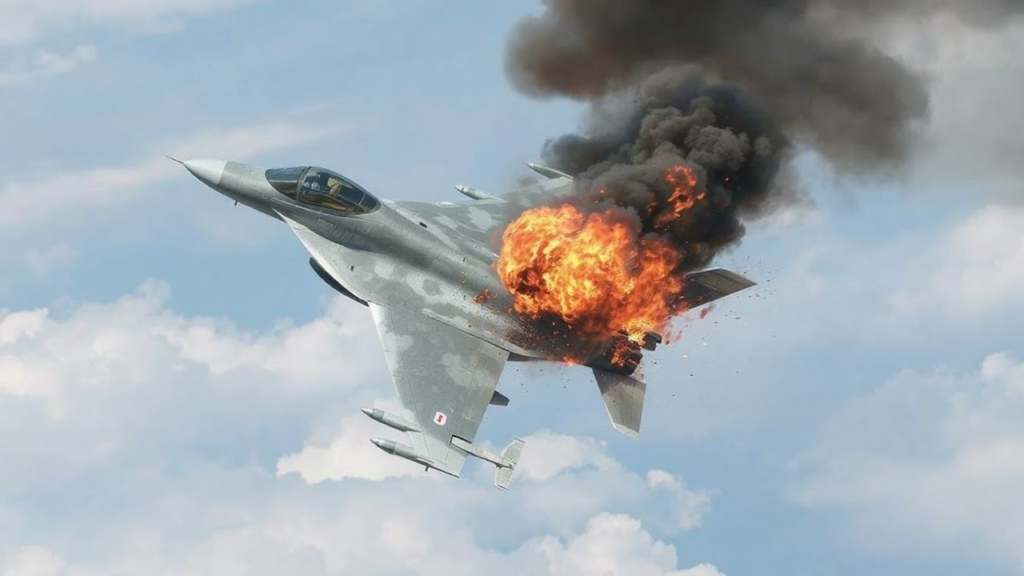
For a generation, the F-35 stealth fighter has been the untouchable crown jewel of American air superiority, a marvel of engineering that cost US taxpayers over $2 trillion USD to develop. That mythology of American invincibility shattered when an F-35 took a direct combat hit from suspected Iranian fire, forcing an emergency landing. CENTCOM confirmed the pilot survived, but the geopolitical damage is irreversible. Adversaries from Beijing to Moscow are watching closely. The loss of our most advanced fighter jet in the opening weeks of a conflict exposes a glaring vulnerability in our military readiness.
This staggering loss has sent shockwaves through the halls of Congress, where a fierce reckoning is finally taking shape.
Capitol Hill Reaction and the Bipartisan Breaking Point
The Capitol Hill reaction has been swift and unforgiving. Director of National Intelligence Tulsi Gabbard shocked lawmakers when she publicly admitted that the objectives of the White House and the Israeli government are entirely divergent. We are fighting the same war with different goals. Bipartisan fury is mounting over the Pentagon’s $200 billion request. Democratic Iraq War veteran Senator Ruben Gallego voiced the growing consensus: if the military needs $200 billion this early, they are asking for a forever war. We are on pace to match the $2 trillion cost of the Iraq War in a fraction of the time, all without a formal War Powers resolution.
With the 2026 Midterms looming, this unchecked escalation threatens to rewrite the entire political map.
The Asymmetry of Political Survival
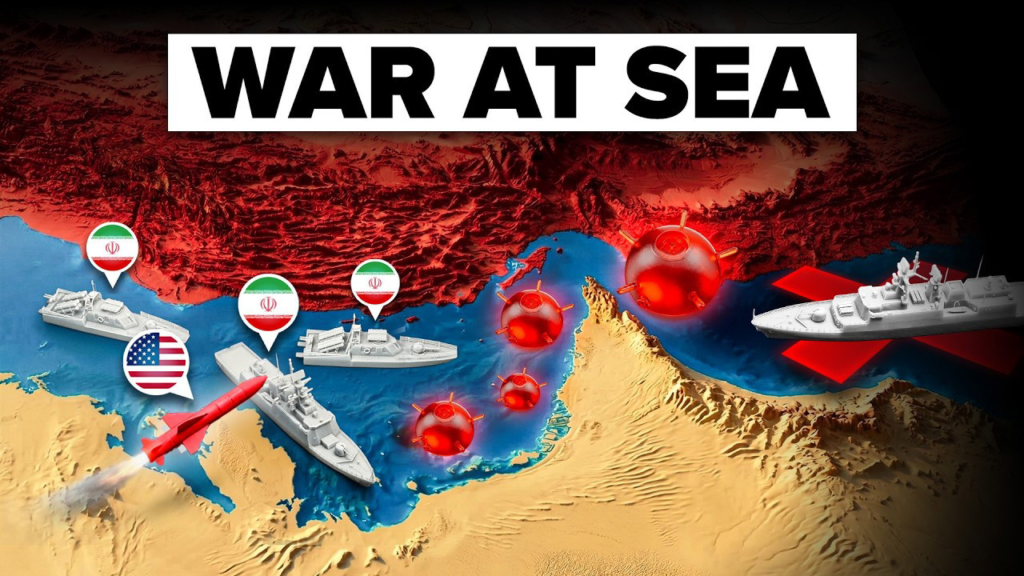
Netanyahu has effectively drawn the United States into a decapitating regional conflict to secure his own political survival. In Israel, his approval ratings have surged, with 93 percent of Jewish Israelis supporting the war. Meanwhile, Trump’s approval rating has plummeted to a second-term low, with 59 percent of Americans staunchly opposing the conflict. Trump faces an agonizing dilemma: force a ceasefire and admit his maximalist regime-change rhetoric was a failure, or allow Netanyahu to drag American forces into a ground operation that could trigger a global recession. The latter path guarantees that the Strait of Hormuz will burn, and American blood will continue to be spilled for the political preservation of a foreign leader.
Reclaiming the Republic’s Consent
The liberty and security of the American republic demand immediate transparency. We are witnessing the dangerous decay of our constitutional separation of powers. A war waged without the consent of the governed is an affront to the very values this nation was built upon. When thirteen American families are grieving their fallen heroes tonight, they deserve the absolute certainty that their loved ones died for a coherent, deliberate strategy that serves the national interest. The American people must demand accountability, reclaim their constitutional authority, and ensure that Washington answers to the taxpayer, not to a foreign capital.
Editorial Note: The views and opinions expressed in this article are those of the authors and do not necessarily reflect the official policy or position of any agency or organization. This content is intended to provide diverse perspectives on current events.