
The American taxpayer is currently funding a catastrophic equation: firing $15 million interceptors at $20 Iranian drones. As the Middle East burns and billions in US defense architecture are reduced to rubble, voters must ask why our constitutional republic is being bankrupted by painted decoys.
The Billion-Dollar Blindfold
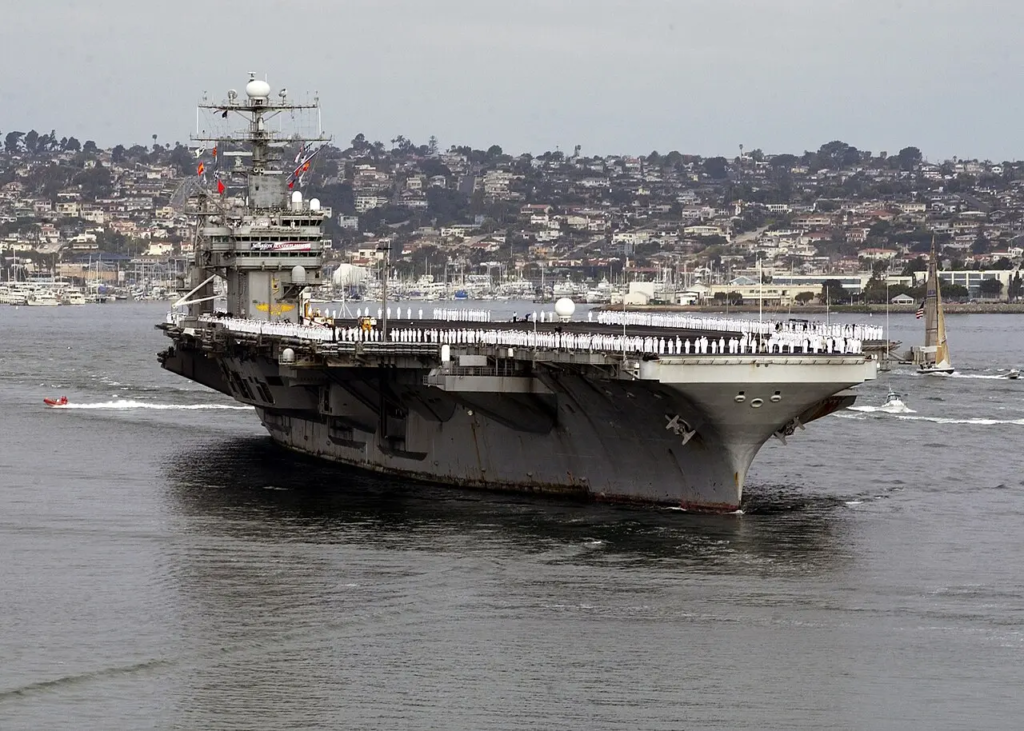
The AN/FPS-132 early warning radar in Qatar was a marvel of American engineering, a $1.1 billion shield meant to protect American interests and project strength across a volatile region. Today, it is a smoldering testament to the failure of current White House policy. Iranian forces, utilizing a swarm strategy that marries cheap munitions with devastating precision, completely destroyed the most powerful radar installation in the Middle East. We are fighting an adversary that is dismantling our regional eyes piece by piece. The USS Abraham Lincoln, a Nimitz-class aircraft carrier valued at $7 billion, has been quietly repositioned out of strike range. Washington spins this as a routine maneuver, but the repositioning speaks for itself regardless of the official narrative. But the true scandal unfolding in the desert is not just about lost radar; it is an economic hemorrhage that threatens the very foundation of American prosperity.
The Math of Our Own Destruction
The fundamental duty of our government is to protect the homeland and safeguard the treasury, yet Capitol Hill reaction remains paralyzed as we bleed national wealth. Iran is deploying Shahed drones that cost between $20 and $200 to manufacture. In response, the United States and its allies are launching THAAD and Patriot interceptors that cost American taxpayers up to $15 million per shot. This is not a conventional military campaign; it is a calculated economic attrition strategy designed to bankrupt the most technologically advanced military on Earth. For every dollar Iran spends putting a threat in the air, the American taxpayer is forced to spend twenty to twenty-eight dollars to neutralize it. We are literally watching our economic future burn in the skies over Tel Aviv and Dubai. And the most bitter pill for the American voter to swallow is exactly where Tehran acquired the technology to engineer this crisis.
The Ghost of the RQ-170 Sentinel
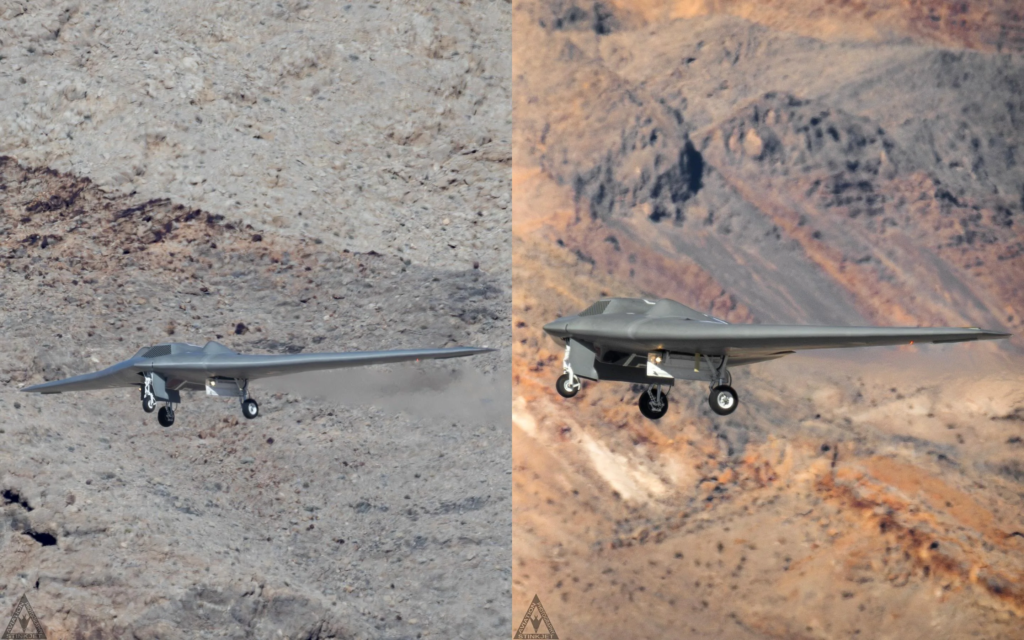
To understand the weaponization of frugality, we must look back to December 2011, when an American Lockheed Martin RQ-170 Sentinel drone went off course and crashed intact in Iran. The Obama administration merely asked for it back. Tehran refused, and instead, Iranian engineers meticulously reverse-engineered the platform. They birthed the Shahed-136 kamikaze drone—the very weapon now forcing a global superpower onto the defensive. In a display of surreal recursion, the Pentagon even copied the Iranian copy to build its own LOCAAS system. The constitutional mandate for a strong national defense is being mocked by a bureaucratic establishment that allowed American innovation to become the instrument of our own systemic degradation. Yet, the drone swarms are merely the decoy, a distracting prelude to a weapon moving at unthinkable speeds.
Hypersonic Reality and the Fattah-2
Once the cheap drones deplete the interceptor stockpiles, the real nightmare begins. Iran has unleashed the Fattah-2, a liquid-fueled ballistic missile that strikes targets at Mach 15—twenty times the speed of a commercial airliner.
It possesses mid-flight trajectory adjustment, rendering the multi-layered defense shields of the Iron Dome, David’s Sling, and Arrow 2 functionally obsolete. When these hypersonic missiles rain down, they do not just crater roads; they reduce entire zones to rubble. The establishment media insists on showing limited damage, but independent footage reveals the catastrophic truth. American embassies are closing sequentially, and the Gulf is realizing that the superpower they relied upon cannot guarantee the safety of its own citizens. As Washington panics, a desperate shift in strategy is taking shape behind closed doors, one that could ignite a regional powder keg.
Partisan Paralysis and Proxy Fantasies
With the 2026 Midterms looming, the political elite are scrambling. Democrats find their current foreign policy collapsing under the weight of an exhausted interceptor stockpile. Conversely, Donald Trump and hawkish Republicans are reportedly floating a pivot toward regime change, courting Kurdish insurgent groups inside Iran. But the Kurds have bluntly refused to become sacrificial pawns for Washington’s foreign policy blunders. The stark reality is that precision air power has failed. Israeli jets, armed with multi-million-dollar American munitions and advanced artificial intelligence, recently bombed Iranian tarmacs only to discover they had obliterated painted canvas decoys. We are spending billions to destroy paint on concrete. The ultimate cost of this profound intelligence failure is about to hit every American where it hurts most: at the gas pump.
The Strait of Hormuz and the Taxpayer’s Burden
Iran has explicitly stated that until the bombardment stops, it will continue striking economic zones hosting American military infrastructure. The Strait of Hormuz, the artery for up to 25 percent of global oil and LNG supply, is effectively blocked. The price consequences will not be confined to the Middle East; they will ravage the American middle class, stripping away the liberty and economic sovereignty our Constitution was meant to protect. Tehran is now preparing the flagship of its arsenal, a fourth-generation advanced ballistic missile measuring 13 meters, weighing 20 tons, and capable of delivering an 1,800-pound warhead at Mach 16. The American taxpayer is funding a multi-billion dollar defense apparatus that has been entirely outmaneuvered by patient, asymmetric engineering. If our strategic leadership cannot realize that true national security requires more than just printing money to fire $15 million missiles at cardboard and canvas, the republic itself is in profound peril.
Editorial Note: The views and opinions expressed in this article are those of the authors and do not necessarily reflect the official policy or position of any agency or organization. This content is intended to provide diverse perspectives on current events.