
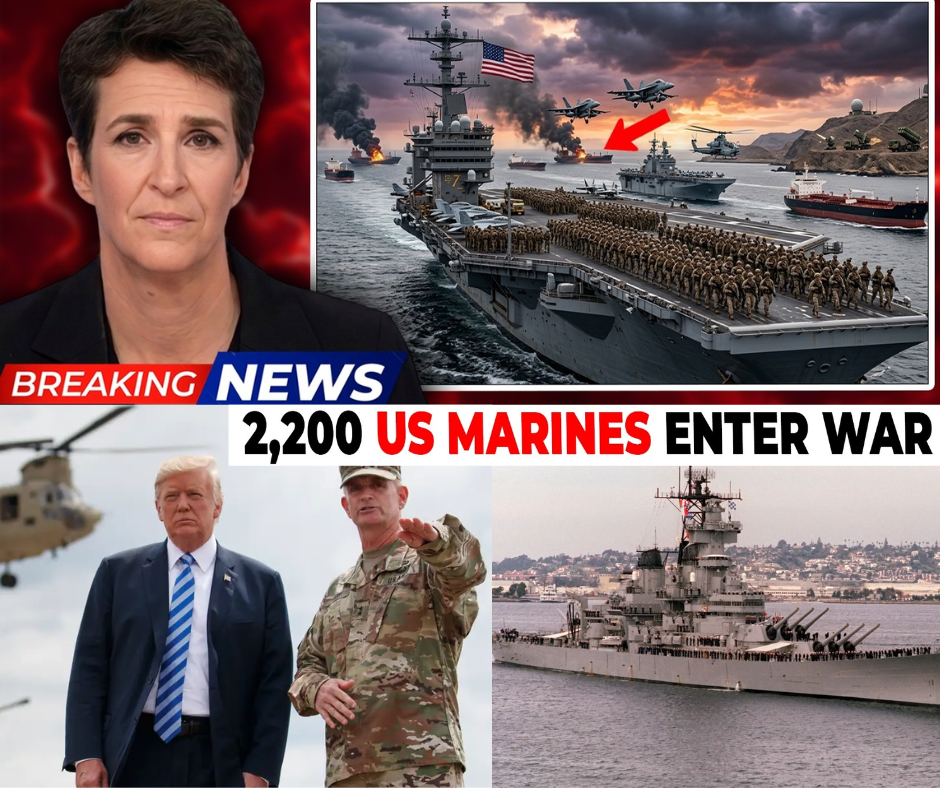
For two weeks, American taxpayers funded a sterile, high-tech war from the sky. Now, the deployment of 2,200 Marines to the Strait of Hormuz signals a terrifying reality: American blood is back on the table. For the everyday voter facing soaring gas prices, the cost of this conflict just skyrocketed.
The Limits of Remote Warfare and White House Policy
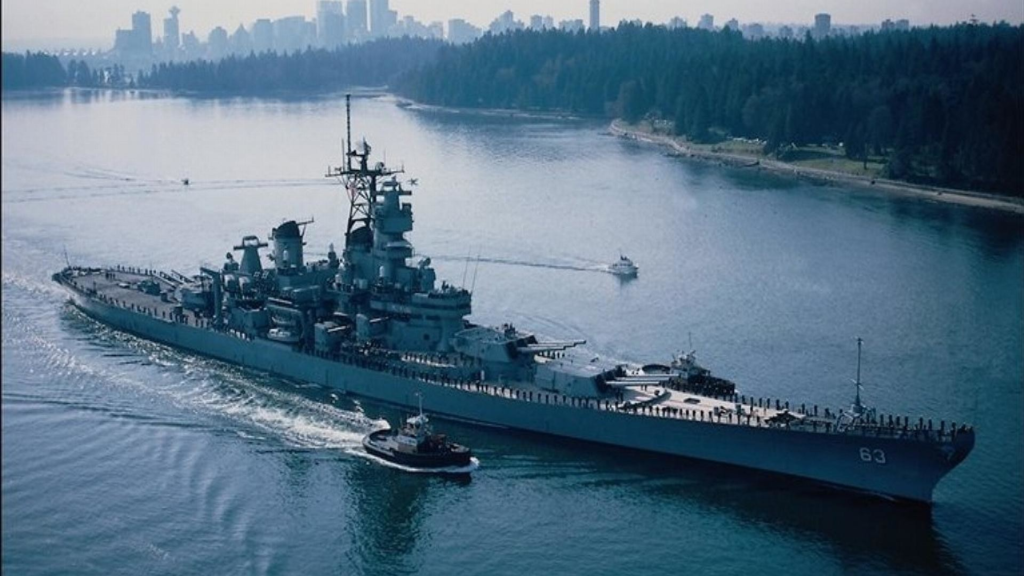
The conflict unfolded exactly the way modern Washington prefers: from a safe, sanitized distance. For the first two weeks, American and Israeli aircraft unleashed a relentless barrage against Iranian military infrastructure. Fighter jets and armed drones painted the desert skies with the color of modern warfare, striking more than 15,000 targets. It was an exhibition of technological supremacy that fit neatly into the current White House policy of remote deterrence, keeping service members out of harm’s way. But bombing craters into the Iranian coastline has not broken the enemy’s resolve. Now, the arrival of the amphibious assault ship USS Tripoli changes the calculus entirely. Marines are not pilots; they are the warfighters you send to take a beach and hold a line. But as the boots prepare to hit the sand, a chilling realization is sweeping through the halls of power: nobody actually knows how this ends.
A Commander in Chief Governed by “His Bones”
When pressed on a timeline for this rapidly expanding conflict, President Donald Trump paused before delivering an answer that stunned seasoned military strategists. “When I feel it in my bones,” he declared. It was not a grand strategy. It was a visceral feeling. For a republic founded on constitutional values, transparency, and the rule of law, launching a massive military escalation based on executive intuition is profoundly unsettling. The American taxpayer is currently funding a multi-billion USD operation, yet the roadmap to peace remains completely obscured.
Capitol Hill Reaction: The Partisan Clash Over War Powers
Unsurprisingly, the Capitol Hill reaction has been a bitter partisan fracture. Republican hawks champion the deployment as a necessary projection of strength to protect American liberty and global commerce from a hostile regime. Conversely, Democrats warn of unchecked executive overreach, arguing the United States is being dragged into a quagmire without a formal congressional declaration of war. Both sides are acutely aware of the political fallout. While politicians bicker over constitutional war powers, a far more immediate catastrophe is quietly suffocating the global economy, and the American consumer is directly in the crosshairs.
A 20-Mile Choke Point and the American Wallet
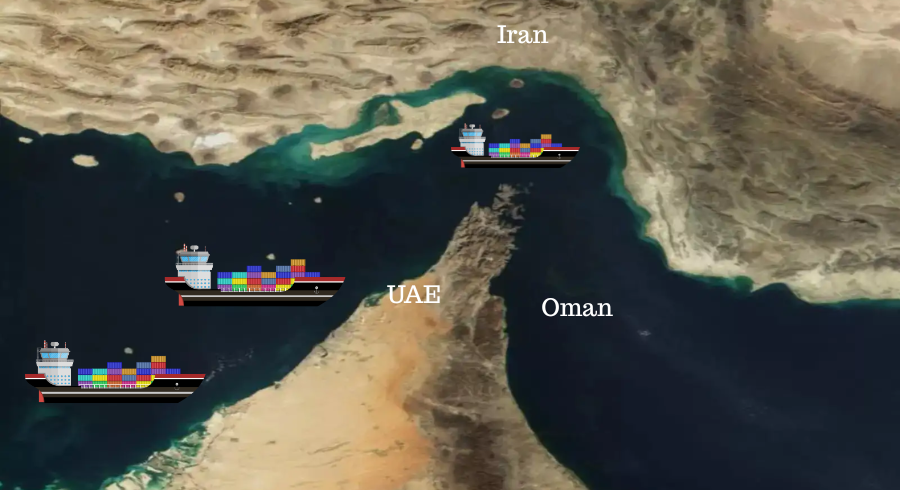
The Strait of Hormuz is roughly 20 miles wide at its tightest point. Yet, nearly one-fifth of the world’s oil flows through this vulnerable corridor. Today, that vital artery is experiencing cardiac arrest. Commercial shipping traffic has collapsed by a staggering 94 percent. Insurance companies are refusing to cover vessels, leaving massive tankers anchored and idle. Energy markets are panicking, sending crude prices surging and forcing the administration to bleed the Strategic Petroleum Reserve just to temporarily stabilize the cost of gasoline.
Iran’s Coastal Denial Strategy
Iran has spent decades preparing for this exact scenario. Rather than engaging in a conventional naval battle, Tehran has mastered coastal denial. Along hundreds of miles of rugged coastline, Iran has embedded a mobile network of anti-ship missiles hidden in hardened mountain tunnels. These launchers are mounted on trucks that can fire and vanish before American drones can center their crosshairs. The 15,000 air strikes could not eradicate this decentralized threat. The skies may belong to American fighter jets, but the jagged shorelines harbor a lethal surprise that could turn a routine patrol into a historic naval disaster.
The 2026 Midterms and the Constitutional Cost
Sending US Marines into this contested environment means the war ceases to be a distant, controllable air campaign. Ships and landing craft become highly exposed to naval mines, fast attack boats, and missile fire. For the American voter, the stakes are twofold: the lives of their service members and the economic stability of their nation. If the strait remains effectively closed, the resulting economic shockwave will undoubtedly become the defining issue of the 2026 Midterms.
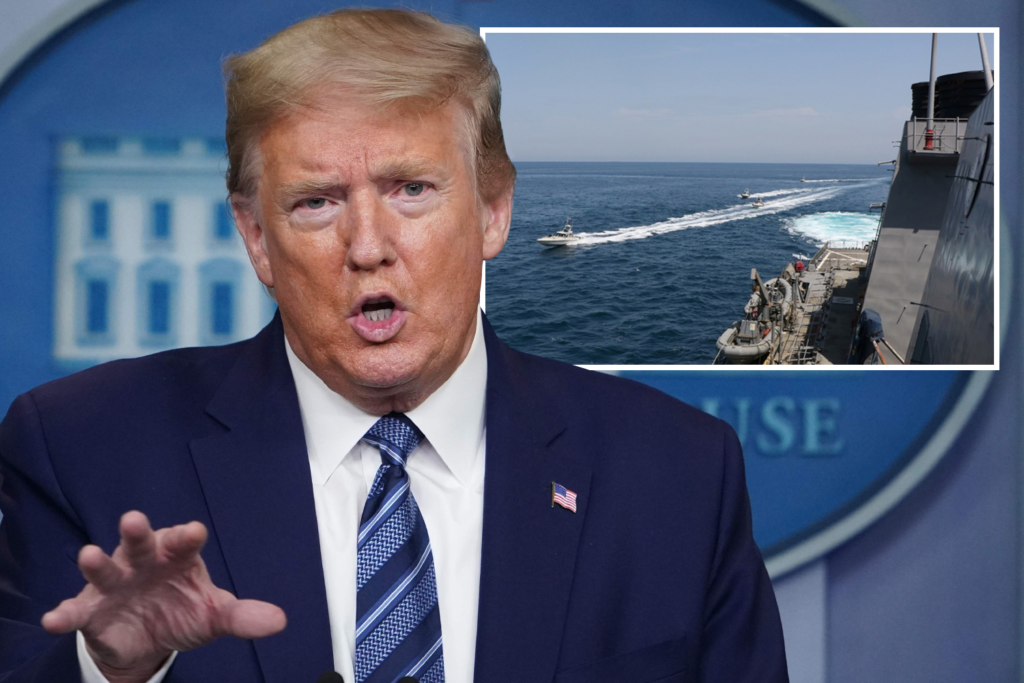
Hardworking citizens cannot sustain endless inflation driven by foreign conflicts, nor will they accept the erosion of congressional oversight when American lives are on the line.
A Collision Course in the Persian Gulf
The USS Tripoli continues its steady advance toward the Strait of Hormuz. We are witnessing the dangerous intersection of global energy markets, regional rivalries, and American military might. Wars that begin with surgical strikes can swiftly spiral into catastrophic ground campaigns. In the narrow, treacherous waters of the Persian Gulf, the United States is no longer just sending a message—it is preparing for a fight that could permanently alter the global balance of power.
Editorial Note: The views and opinions expressed in this article are those of the authors and do not necessarily reflect the official policy or position of any agency or organization. This content is intended to provide diverse perspectives on current events.