
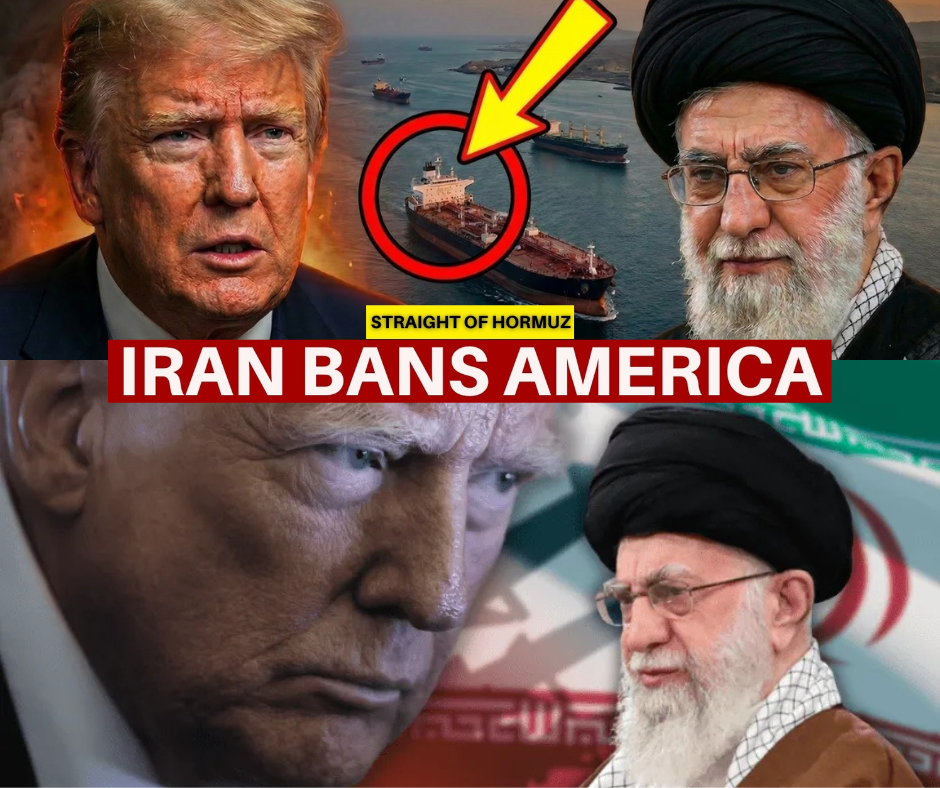
While American taxpayers brace for 140 USD-a-barrel oil and crushing gas prices, the rest of the world just got a massive discount—orchestrated by Beijing. Iran has reopened the Strait of Hormuz to everyone on Earth, except the United States, fracturing our alliances and leaving you footing the bill.
The Dawn of a New Global Order
At 7:41 a.m. Eastern time on Thursday, March 19, 2026, the global balance of power shifted without a single shot fired. The Iranian government transmitted a surgically precise diplomatic communique to twelve foreign ministries from Beijing to Brussels. The message was as simple as it was devastating: the Strait of Hormuz, the world’s most vital energy artery, will reopen to commercial vessels in forty-eight hours. But there is a catch that strikes at the very heart of American sovereignty. The passage is restricted strictly to “non-aggressor” nations. The United States and Israel are explicitly banned. Washington learned about this not through secure intelligence channels, but from the morning news cycle. This is not just a diplomatic slight; it is a meticulously engineered geopolitical counterstrike. By turning the strait into a loyalty test, Tehran has isolated the very nation that launched the military strikes in the first place. But what the White House refuses to admit publicly is exactly who orchestrated this humiliation behind closed doors.
Beijing’s Backchannel Coup
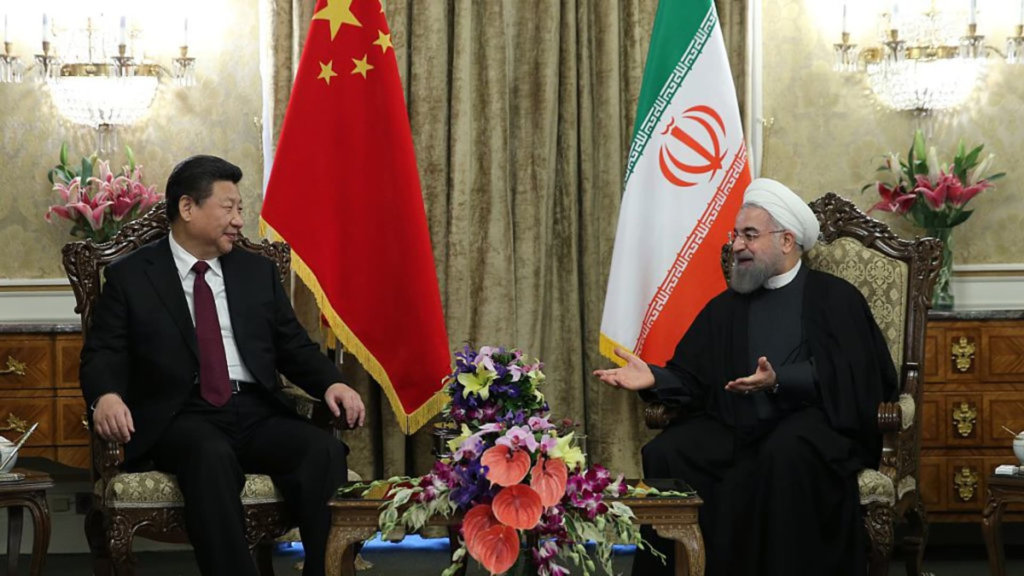
For weeks, White House policy operated on a fundamentally flawed, uniquely arrogant assumption: that a closed strait would inflict such catastrophic global economic pain that Europe, China, and the Gulf states would unite behind America’s military campaign. It was an elegant theory, but it fundamentally misjudged the shifting tides of global influence. Instead of begging Washington for salvation, Beijing sent a special envoy to Tehran thousands of miles away. Over nine days of secret negotiations following the US-Israeli strikes, China brokered a post-conflict regional order. In exchange for guaranteed low-cost energy and a revival of their 400 billion USD, twenty-five-year comprehensive strategic partnership, Iran handed China the keys to the global economy. China solved a crisis the United States created. Treasury Secretary Scott Bessent, fresh off trade talks in Paris, was forced to realize in the Situation Room that Chinese officials had negotiated with him in good faith while holding the ultimate trump card. And as the reality of this betrayal sets in, the financial fallout is about to hit the American working class with unprecedented force.
The Taxpayer Toll and the 2026 Midterms
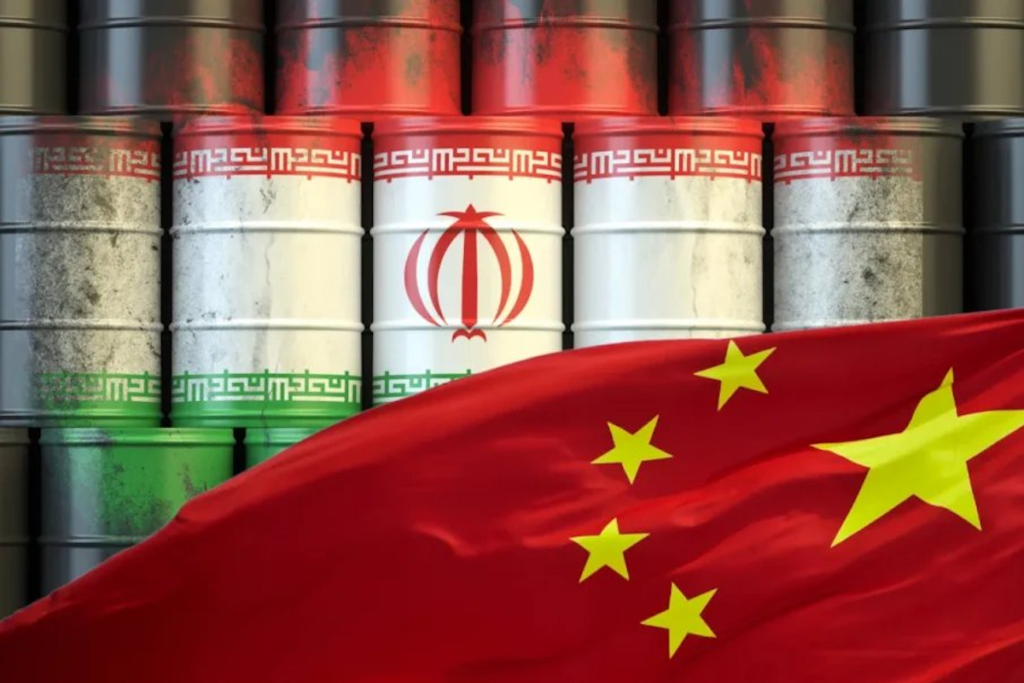
Make no mistake, this selective blockade is a direct tax on the American citizen. Before this crisis, twenty-one million barrels of oil—roughly twenty percent of global consumption—transited the Hormuz corridor daily. During the blockade, global oil prices surged past 140 USD per barrel. Now, China and Europe will enjoy immediate cost relief, while American energy companies, airlines, and manufacturers remain trapped in a hyper-inflated market. The competitive disadvantage for the American industrial base compounds by the hour. For the voter heading to the ballot box for the 2026 Midterms, the math is brutal. You will pay a premium at the pump to fund a failed foreign policy, while your hard-earned tax dollars subsidize a military apparatus that has been politically outmaneuvered. The global market has already rendered its verdict. Within twenty-two minutes of the announcement, Brent crude plummeted 18.40 USD per barrel—the largest single-day drop since 2020. European and Chinese equities surged. American energy stocks tanked. The U.S. dollar weakened simultaneously against the euro, yuan, and yen. Global capital is pricing in an American defeat, but the political reckoning at home is just beginning.
Capitol Hill Reaction: A Bipartisan Fracture
The Capitol Hill reaction has been a spectacle of panic and finger-pointing. Democrats are seizing the moment, framing the structural collapse of the Trump administration’s Iran strategy as proof of reckless unilateralism. They argue that alienating allies and bypassing congressional oversight has stripped America of its diplomatic armor. Republicans, meanwhile, are trapped between defending a hawkish president and confronting the undeniable reality of an ascendant China.
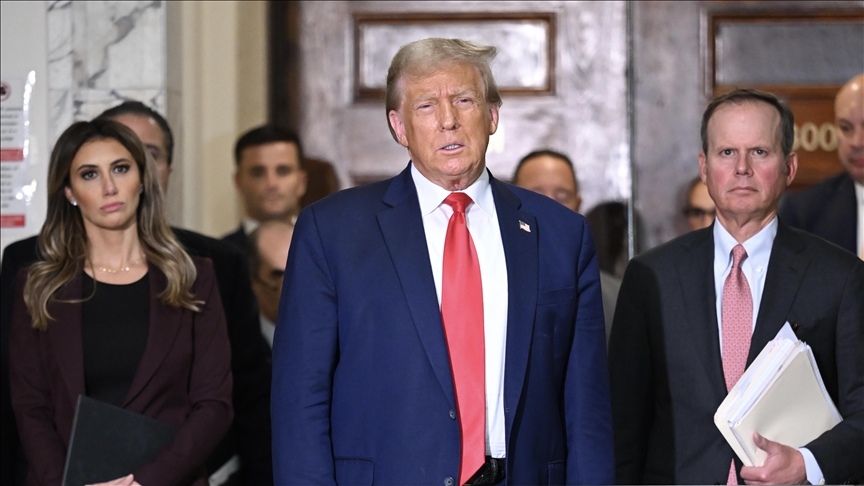
Whispers of a full congressional review of the military strategy are already circulating among GOP senators—a stunning admission of failure from within the president’s own coalition. This divide goes deeper than partisan bickering; it threatens to color the very core of our constitutional values. The Founding Fathers envisioned a republic that guarded its liberty through strength and alliances, not one that could be economically quarantined by a hostile regime and a communist superpower. Yet, as the administration scrambles for a response, they are discovering that the very allies we relied upon have quietly abandoned us.
The Insurance Architecture and Global Silence
Perhaps the most chilling aspect of this crisis is the silence from our so-called friends. When Secretary of State Marco Rubio frantically dialed his counterparts in France, Germany, Japan, and South Korea, every single call went to voicemail or a deputy. That is not a scheduling conflict; that is a coordinated message. The insurance underwriter Lloyd’s of London is already reviewing navigational safety certifications to reinstate war-risk coverage for European and Asian tankers. The physical strait reopens in forty-eight hours, but the legal and commercial architecture has already locked America out. Any attempt by the U.S. Navy to forcibly escort American-flagged vessels would constitute an act of war against allied nations, triggering retaliatory sanctions from fifty-eight percent of the global economy. Washington is cornered. The administration is staring down a barrel, realizing that the most powerful military in human history cannot shoot its way out of an insurance contract. The only remaining question is how the administration will attempt to spin the inevitable surrender.
A Constitutional Crisis of Foreign Policy
We are entering uncharted waters where the executive branch’s unchecked military adventurism has yielded negative geopolitical equity. American liberty relies on open seas and free trade, principles guaranteed by our naval supremacy. But Iran has bypassed our Navy entirely by weaponizing international bureaucracy and marine insurance. They have built a toll booth on the global economy, and America is the only nation on Earth without a token.
The Next 72 Hours: White House Policy in Freefall
The coming days will dictate American foreign policy for a generation. The White House faces three grim scenarios: a forced acceptance where they quietly swallow the new reality, a catastrophic escalation trap where the U.S. Navy forces passage and fractures NATO permanently, or a humiliating pivot where Washington begs Beijing to mediate access. If the delayed Trump-Xi summit is fast-tracked as an emergency negotiation, China will extract massive trade concessions and technology access simply to undo what Iran just did. We are witnessing a strategic reversal of historic proportions. Iran used America’s own military pressure to shatter the alliance structure that makes American power real. The gates to the world’s most critical energy supply have reopened, but the United States has been left standing alone in the dark.
Editorial Note: The views and opinions expressed in this article are those of the authors and do not necessarily reflect the official policy or position of any agency or organization. This content is intended to provide diverse perspectives on current events.