
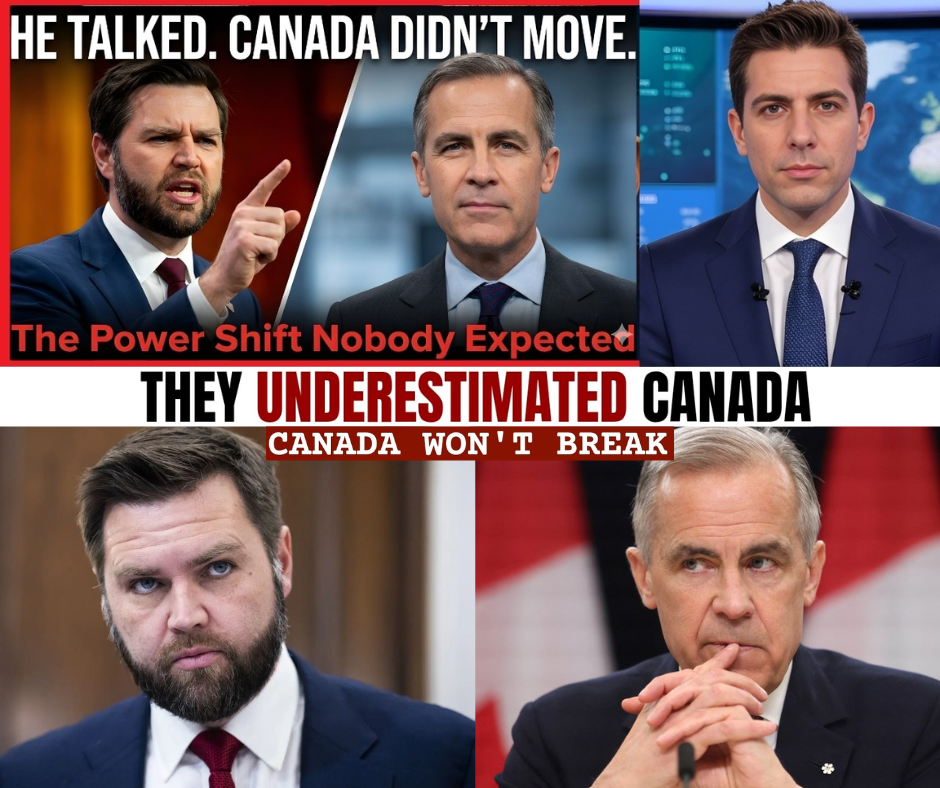
Washington’s aggressive trade crusade against Canada was supposed to be a swift victory for the American worker. Instead, a quiet miscalculation has weaponized our own supply chains against us, leaving US taxpayers staring down the barrel of soaring gas and grocery bills just as the 2026 Midterms approach.
The Illusion of American Leverage
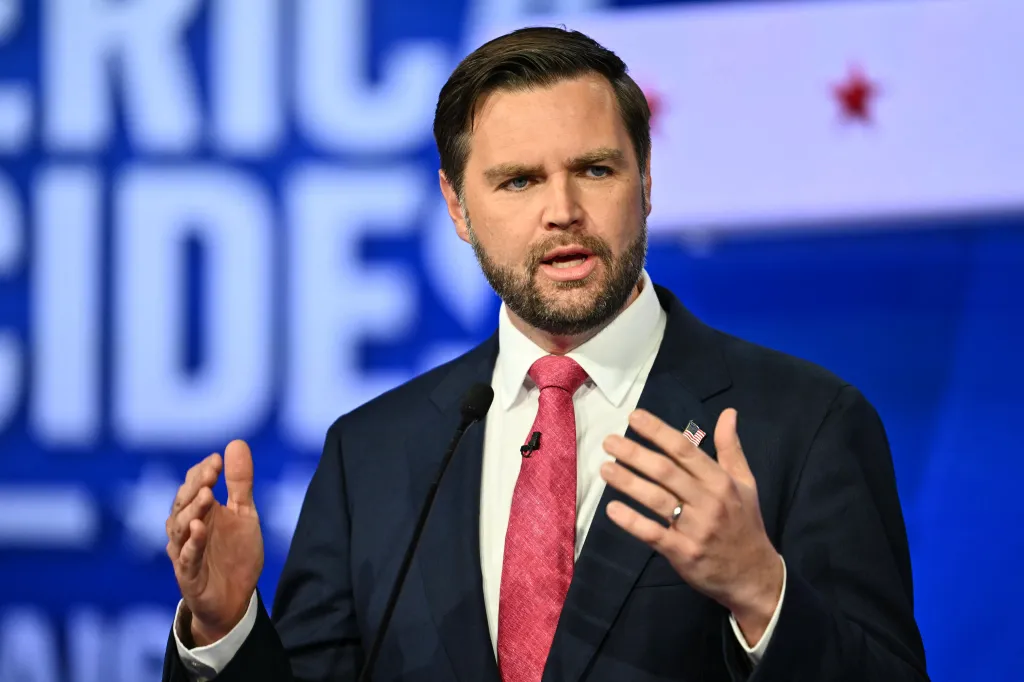
For months, White House policy has been predicated on a simple, brute-force calculation: squeeze our northern neighbor until they break. The Trump administration rolled out sustained tariff threats, aiming to inject paralyzing uncertainty into Canadian industries. Vice President JD Vance recently doubled down on this rhetoric, publicly declaring that Canada has exploited the United States for decades. It was designed to look like a muscular defense of American sovereignty. But behind the bluster lies a profound frustration. When senior officials are forced to endlessly repeat their demands on national television, it is rarely a sign of strength. It is the hard truth of a failing strategy. But the architects of this pressure campaign forgot one fundamental rule of geopolitics: you cannot bluff a nation that holds the literal fuel to your economic engine.
A Global Energy Shock Hits the Heartland
To understand how we arrived at this precarious moment, we must look to the Middle East. The administration’s decision to escalate military tensions with Iran sent shockwaves through the Strait of Hormuz. Almost instantly, the perceived risk to global oil transit spiked. For the American taxpayer, this foreign policy maneuver translated immediately into domestic pain. Transportation costs surged. The price of natural gas—and consequently, the fertilizer essential to our agricultural heartland—skyrocketed. A gallon of milk and a pound of beef suddenly cost more USD at the checkout counter. The administration failed to model the catastrophic ripple effect this systemic uncertainty would unleash on supply chains. Yet, while American families braced for the economic fallout, a silent shift was taking place just hundreds of miles to the north—one that Washington never saw coming.
Capitol Hill Reaction and the Partisan Divide
The Capitol Hill reaction has been fiercely divided, underscoring a deep fracture in how we view our national security. Republicans have staunchly defended the tariff threats as necessary medicine to protect American manufacturing and correct decades of lopsided agreements. Conversely, Democrats are seizing on the resulting inflation, arguing that alienating our closest constitutional ally is economic suicide. They point to the rising costs shouldered by everyday voters as proof that the administration’s posture is putting Americans last. As the political theater played out in congressional hearings and on cable news, the real battle for North American supremacy was quietly being lost in boardrooms across Europe and Asia.
Ottawa’s Quiet Pivot to the East
Enter Canadian Prime Minister Mark Carney. Rather than panicking under the weight of Washington’s ultimatum, Carney adopted a posture of disciplined defiance. He recognized that urgency is the enemy of leverage.
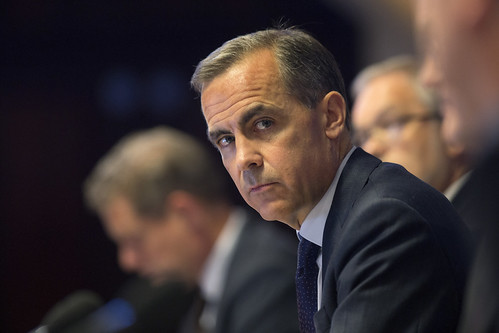
Ottawa outright refused to negotiate under duress, rejecting any framework that would compromise Canadian sovereignty. Instead of bowing to the White House timetable, Carney’s government systematically expanded its diplomatic and trade channels with Japan, South Korea, India, and the European Union. They positioned Canada as the world’s safest, most reliable harbor for critical resources in an increasingly volatile world. Washington assumed it possessed the ultimate trump card, failing to realize that Ottawa had already rewritten the rules of the entire game.
The Resource Trap
The hard reality is that the United States is not an island. We are not self-sufficient in potash, critical minerals, or the stable energy baseload that our northern neighbor provides. Canada controls vast reserves of the essential inputs required for everything from advanced manufacturing to putting food on American tables. When global supply chains fracture, political stability and the rule of law become the ultimate competitive advantages. By alienating Canada, Washington inadvertently handed Ottawa the leverage it needed to court the rest of the world. Suddenly, the very foundation of our national economic security was tethered to the goodwill of a neighbor we had just spent months publicly humiliating.
The CUSMA Reckoning and the 2026 Midterms
This brings us to the impending CUSMA review process later this year. The United States will enter these negotiations from a position of unexpected weakness. We are grappling with domestic energy inflation, fractured alliances, and a failed tariff strategy.
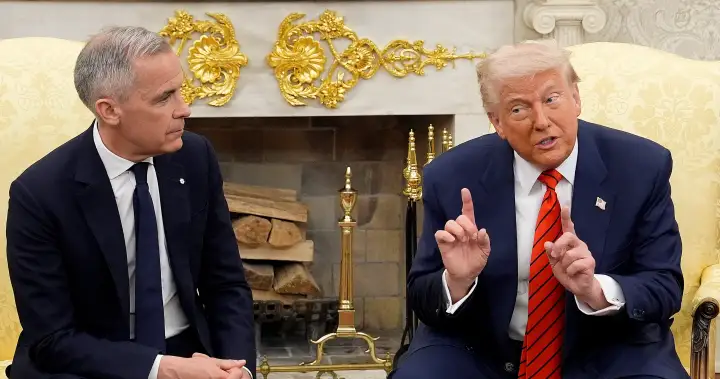
Canada, meanwhile, arrives with a diversified portfolio of eager international buyers and material leverage derived from its vast resource base. The economic pressures building domestically are already beginning to shape the political landscape for the 2026 Midterms. If American consumers continue to feel the squeeze of higher prices driven by a manufactured trade war, the blowback at the ballot box will be severe. The administration must wake up to the reality that true liberty and national strength require reliable partnerships.
Redefining North American Liberty
The relationship between the United States and Canada is not a charity case; it is a vital interdependence rooted in shared constitutional values and mutual defense. Framing this alliance as a zero-sum competition is strategically counterproductive. The era of dictating terms through intimidation has collided with the hard truth of a multipolar world. It is time for Washington to recalibrate. We must secure a framework that honors our liberty, protects the American taxpayer, and acknowledges Canada as a sovereign equal, before our strategic missteps leave us permanently sidelined on our own continent.
Editorial Note: The views and opinions expressed in this article are those of the authors and do not necessarily reflect the official policy or position of any agency or organization. This content is intended to provide diverse perspectives on current events.