
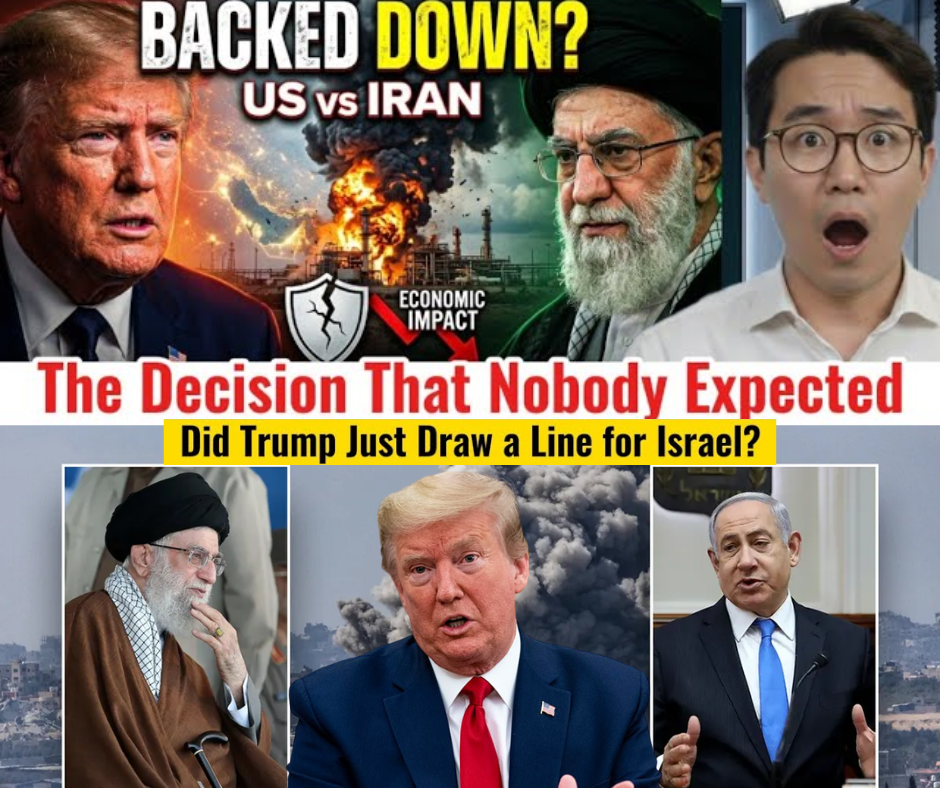
For decades, the American taxpayer has footed a multi-trillion-dollar bill to police the Middle East. But within the last 72 hours, the ultimate enforcer backed down. As gas prices threaten to skyrocket ahead of the 2026 Midterms, the White House just mortgaged our security to appease Tehran.
A Calculated Strike and a Red Line Crossed
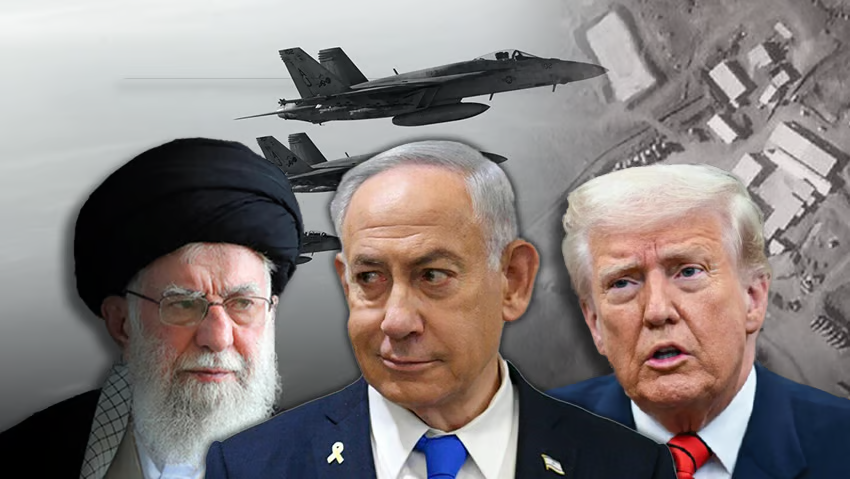
The balance of power in the Middle East has long been a carefully calibrated machine, lubricated by American dollars and guaranteed by American steel. When Israel launched a high-risk military strike against Iran’s South Pars gas complex, the earth shifted. This is not just another dusty energy facility sitting thousands of miles away; South Pars is the economic aorta of the Iranian regime. Sharing this massive field with Qatar, it stands as the single largest source of natural gas on the planet. For Tehran, this was an attack on national survival. The Islamic Republic immediately executed its long-articulated doctrine: if their energy infrastructure burns, the entire region burns. Within hours, Iranian missiles and drones devastated energy targets deep within the American-backed Gulf, hitting Qatar, the UAE, and Saudi Arabia. But the true danger was never just the falling missiles; it was the chilling realization echoing through the halls of Washington.
The Blowback and Capitol Hill Reaction
As the smoke cleared over Riyadh, timed surgically to disrupt a gathering of Islamic foreign ministers, the narrative completely fractured. The Arab Gulf states did not merely point the finger at Tehran; they aimed their fury squarely at Washington. The sentiment in Abu Dhabi and Doha was unambiguous: American military bases are no longer a shield of liberty, but a magnet for destruction. On Capitol Hill, the reaction was explosive. Axios dropped a bombshell report confirming that the Israeli strike was not a rogue operation. The United States government had allegedly been informed in advance and gave the green light. The constitutional duty to protect American interests was suddenly called into question, as lawmakers realized the U.S. was essentially a co-signer on an action that violated a catastrophic red line. Yet, what happened next behind closed doors would completely rewrite the rules of American global dominance.
The Cost to the American Taxpayer
For the hardworking citizens of the United States, foreign policy is often an abstraction until it hits their wallets. An energy war in the Persian Gulf guarantees a massive disruption to the global supply chain. This translates instantly into brutal inflation at home. The cost of heating a home in the Midwest or filling a gas tank in Texas is now directly tethered to the volatile geopolitical chess match in Tehran. The American taxpayer is fundamentally funding a security apparatus that just failed to secure the very resources keeping our domestic economy afloat.
The White House Policy Reversal
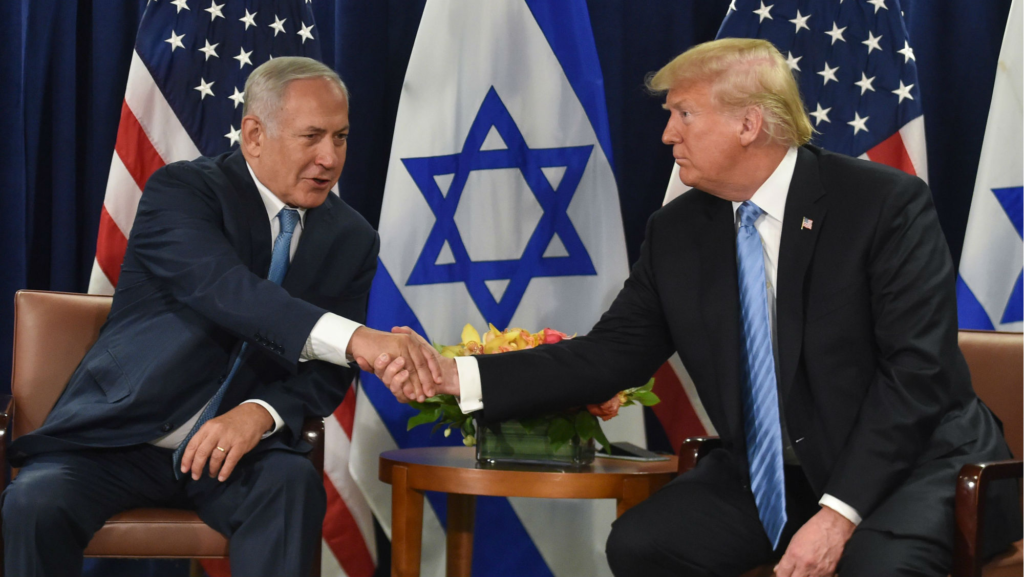
Faced with a spiraling regional war and the potential for an economic catastrophe, Donald Trump executed a stunning public reversal. Stepping up to the microphone, the President claimed the U.S. knew nothing about the specific attack and framed the entire escalation as a tragic misunderstanding. In a move that left military strategists breathless, Trump issued a definitive guarantee: no more attacks will be made by Israel pertaining to the South Pars field. He drew a line in the sand, not to contain Iran, but to restrain Israel. The leader who built a political brand on maximal pressure chose public de-escalation, offering Tehran a highly visible off-ramp. For the American voter, the immediate financial bleeding was only just beginning to take shape.
Festering Partisan Divides Ahead of the 2026 Midterms
This perceived surrender has ignited a firestorm of debate that will inevitably define the 2026 Midterms. Republicans are spinning the White House policy as a necessary, pragmatic maneuver to prevent dragging American troops into another endless Middle Eastern quagmire. Conversely, the Democratic establishment is branding the move as a catastrophic collapse of American credibility, arguing that backing down emboldens rogue state actors. Regardless of party lines, the optics are devastating. A determined state actor utilized asymmetric warfare to check the military actions of the world’s sole superpower.
The Trillion-Dollar Qatari Lifeline
To understand the administration’s panic, one must look at Qatar. Hosting the forward headquarters of U.S. Central Command, Qatar is the operational nerve center for American power projection. More importantly, Qatar’s sovereign wealth fund has pumped trillions of USD into the fabric of U.S. financial stability. To lose Doha as a partner would sever a vital artery of American economic sovereignty.
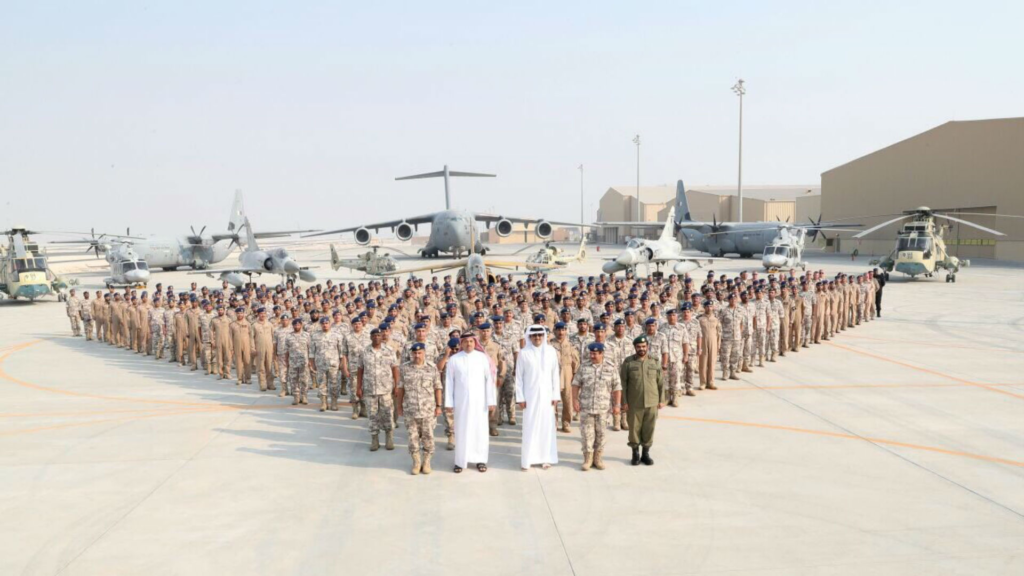
Trump’s retreat was a calculated, albeit desperate, attempt to protect this irreplaceable financial pillar from going up in flames. The ultimate question now rests not in the deserts of the Middle East, but at the ballot box.
The Collapse of the Unipolar Order
The cracks in the shield are no longer theoretical. Last year, a quiet tremor ran through the region as Saudi Arabia and Pakistan signed a strategic mutual defense pact. This was a direct challenge to Washington’s unipolar order, a frantic search by our oldest allies for an alternative security umbrella outside of American control. The Gulf States have realized that the U.S. is no longer willing to widen a war to protect its allies’ economic assets. Iran’s strategy of horizontal escalation—hitting the American sphere of influence in its most vulnerable spot—was wildly successful.
A Republic at the Crossroads
We are witnessing the limits of American power broadcast in real time. The brutal, transactional nature of modern alliances has been laid bare for the world to see. The era of unchecked intervention, executed without a rigorous consideration for global economic blowback and constitutional accountability, may officially be over. Whether this was a moment of necessary tactical restraint by Donald Trump or a historic display of weakness that permanently erodes American liberty and credibility remains to be seen. But one undeniable truth remains: the geopolitical landscape has fractured, and the American taxpayer will be left to foot the bill.
Editorial Note: The views and opinions expressed in this article are those of the authors and do not necessarily reflect the official policy or position of any agency or organization. This content is intended to provide diverse perspectives on current events.