
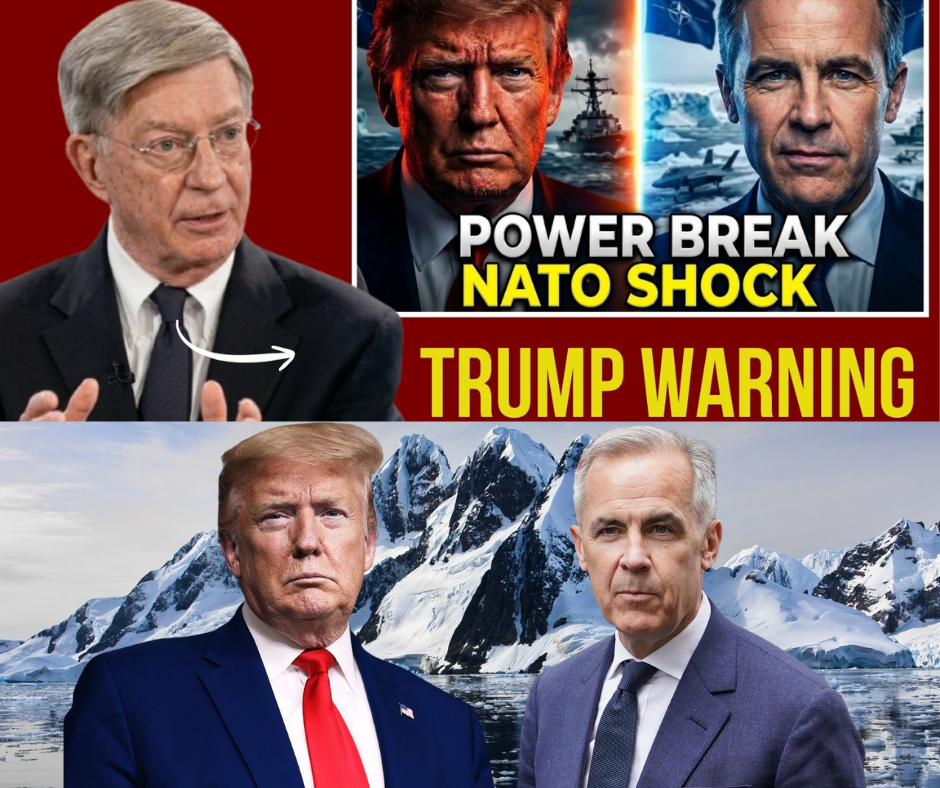
Just minutes ago in a freezing Norwegian outpost, the illusion of American global supremacy cracked. Canada effectively declared independence from US defense reliance, committing 40 billion USD to bypass Washington in the Arctic. For the American taxpayer footing the bill for global security, this is a wake-up call that changes everything.
The Silence That Deafened Washington
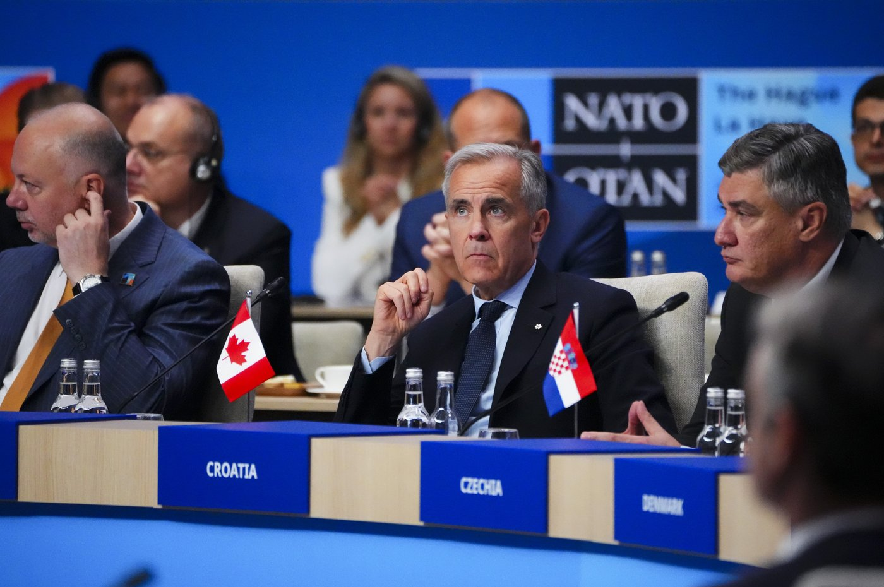
The setting was Northern Norway, a frozen frontline where NATO is currently staging one of its most massive military exercises in recent memory. Tens of thousands of troops are operating in sub-zero conditions, not for theoretical war games, but to prepare for an imminent scramble over the melting Arctic. When a reporter asked Canadian Prime Minister Mark Carney if the United States could still be trusted with Arctic security, the room braced. Carney offered a solitary “Yes.” But it was the silence that followed—and the devastating pivot that came next—that sent shockwaves straight to White House policy makers. Carney was not reaffirming the American security umbrella; he was gently folding it up. What he revealed next would fundamentally alter the balance of power in the Northern Hemisphere.
A 40 Billion USD Line in the Snow
For generations, the American taxpayer has subsidized the defense of the free world, with systems like NORAD standing as the ultimate symbol of shared North American security. But Carney essentially relegated that partnership to the history books. He announced a staggering 40 billion USD investment in Canadian Arctic sovereignty. We are talking about year-round military surveillance across thousands of miles of land, sea, and air. Deep-water ports, fortified airfields, and communications grids designed to establish absolute dominance over the region. Canada is no longer waiting for Washington to grant permission or protection. They are building a fortress in our own backyard. And as the ice melts and critical mineral reserves are exposed, the implications for American economic supremacy are terrifying.
The Greenland Catalyst and Trump’s Transactional Doctrine
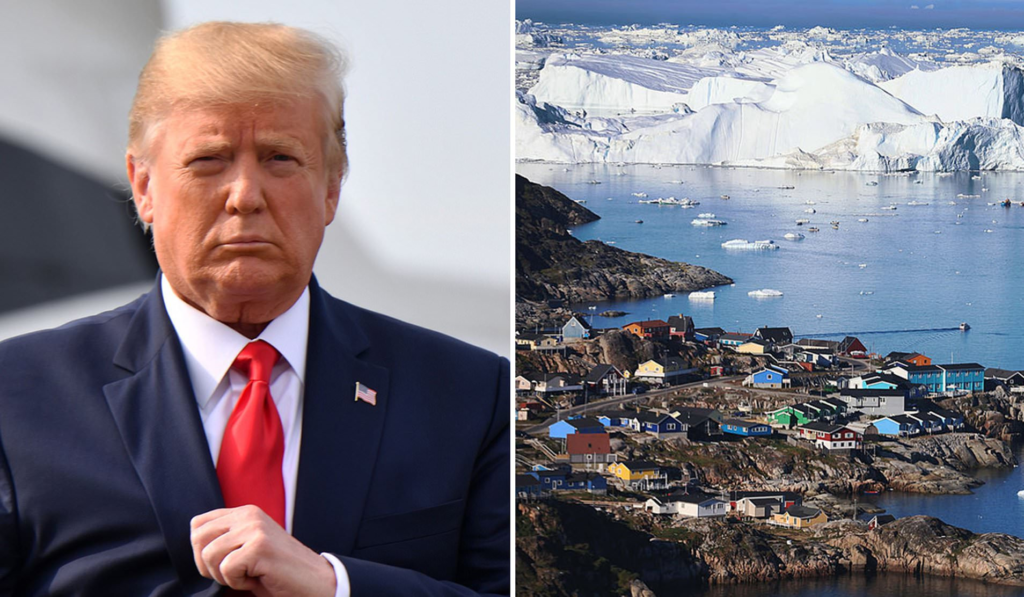
To realize how this fracture occurred, you have to look at the shifting tectonic plates of American politics. Under Donald Trump, the Republican doctrine toward NATO became fiercely transactional. Demanding that allies pay their fair share or risk losing American blood and treasure resonates deeply with an America First voter base tired of endless foreign subsidies. Trump’s audacious proposal to acquire Greenland—a territory heavily laden with the very minerals fueling the 21st-century economy—was dismissed by mainstream media as political theater. But to Arctic nations, it was an undeniable threat. It signaled that under conservative leadership, territory and resources trumped polite diplomacy. The resulting paranoia has driven a wedge right through the center of the alliance. But what happens when allies decide they no longer need us at all?
Bipartisan Panic on Capitol Hill
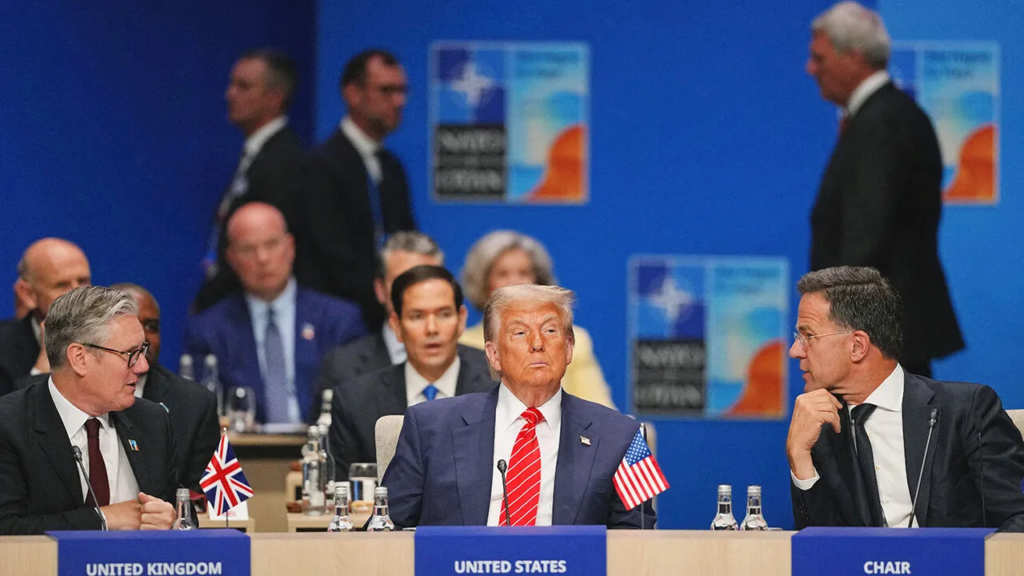
The Capitol Hill reaction to Carney’s maneuver has been a predictable blend of partisan finger-pointing and genuine strategic panic. Democrats view this as the catastrophic culmination of Trump-era isolationism, arguing that alienating our closest neighbors jeopardizes the constitutional values of shared democratic defense and liberty. Conversely, Republicans argue this is exactly what they demanded: a wealthy ally finally stepping up to foot its own defense bill rather than bleeding the American middle class. Yet, both sides are missing the deeper, more dangerous undercurrent. Canada is not just paying its own way; it is actively diversifying its security portfolio away from the United States. They are building an architecture of independence. And that brings us to the shadowy alliance quietly forming in the high north.
The New Northern Coalition
Standing shoulder-to-shoulder with Carney in Norway were leaders from Germany and the host nation itself. This was no accident of scheduling. Norway sits at the bleeding edge of Russian military aggression, monitoring critical sea routes with advanced surveillance. Germany remains Europe’s economic engine. Together with Baltic and Nordic states, Canada is forging a new coalition.
This is a shadow NATO—a network of nations sharing intelligence, coordinating defense, and pooling resources to ensure no single partner, especially the United States, is indispensable. While Russia builds icebreaker fleets and China aggressively positions itself as a “near-Arctic state,” our allies are hedging their bets against Washington’s unpredictable pendulum swings. The geopolitical center of gravity is moving, and America is being left out in the cold.
The 2026 Midterms and the Price of Liberty
As we barrel toward the 2026 Midterms, this diplomatic earthquake will inevitably become a flashpoint for American voters. The fundamental question is no longer whether America has the military might to project power, but whether it has the political stability to command trust. Liberty and national security are inextricably linked to our control over vital trade routes and global supply chains. If a coalition led by Canada, Germany, and Norway seizes the strategic initiative in the Arctic, the United States risks losing its grip on the most contested economic frontier on Earth. The American taxpayer may save a few billion in defense subsidies today, but the long-term cost of surrendering the Arctic could be incalculable. Washington’s monopoly on Western security is officially over. The only question left is how brutally America will pay for the transition.
Editorial Note: The views and opinions expressed in this article are those of the authors and do not necessarily reflect the official policy or position of any agency or organization. This content is intended to provide diverse perspectives on current events.