
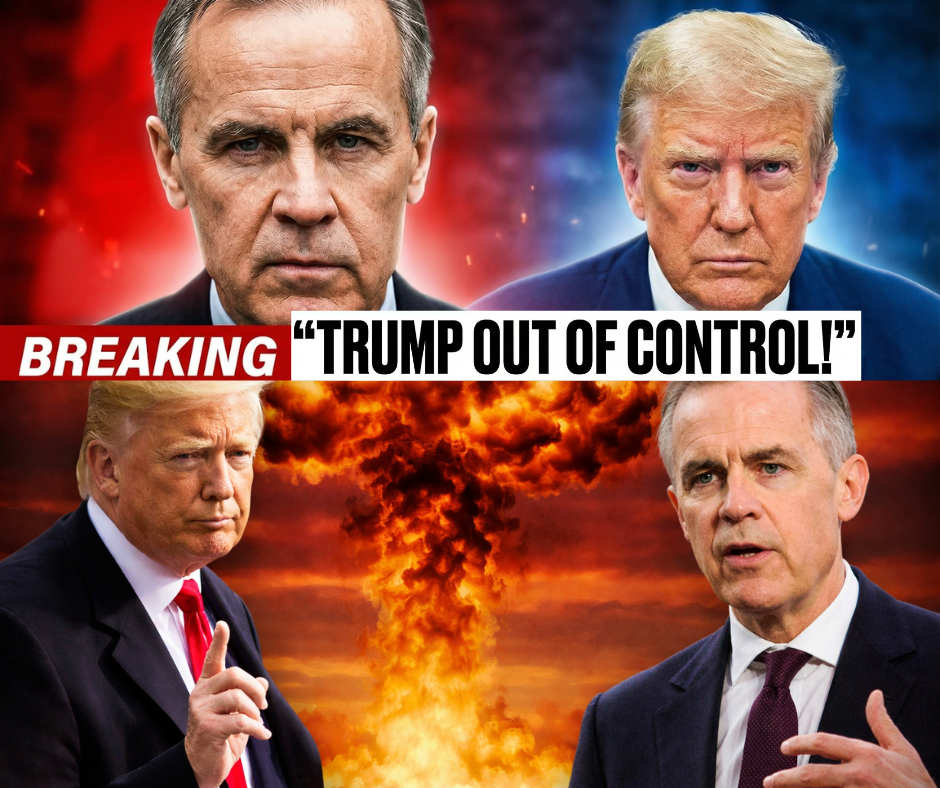
Washington thought a quick tariff war would force Ottawa to its knees. Instead, a catastrophic miscalculation has ignited a global trade rebellion, sending shockwaves through American markets and leaving the everyday taxpayer staring down the barrel of soaring energy costs and crippled supply chains.
The Leverage Illusion Shatters
The administration’s White House policy was built on a superficially compelling but structurally doomed premise: since Canada sends roughly 75 percent of its exports across the border, Ottawa would simply fold under pressure. They assumed Prime Minister Mark Carney would prioritize the polite optics of reasonable diplomacy over the grueling substance of economic warfare. They were dead wrong. The underlying assumption treated our deeply integrated cross-border production systems as a one-way street, ignoring the fundamental reality that American liberty and economic sovereignty rely on stable, reciprocal trade. By misjudging the psychological fortitude of our closest neighbor, the administration transformed a localized, bilateral dispute into a global conflagration. But the true magnitude of this strategic blunder was only just beginning to materialize on the global stage.
Capitol Hill Reaction and the Partisan Divide
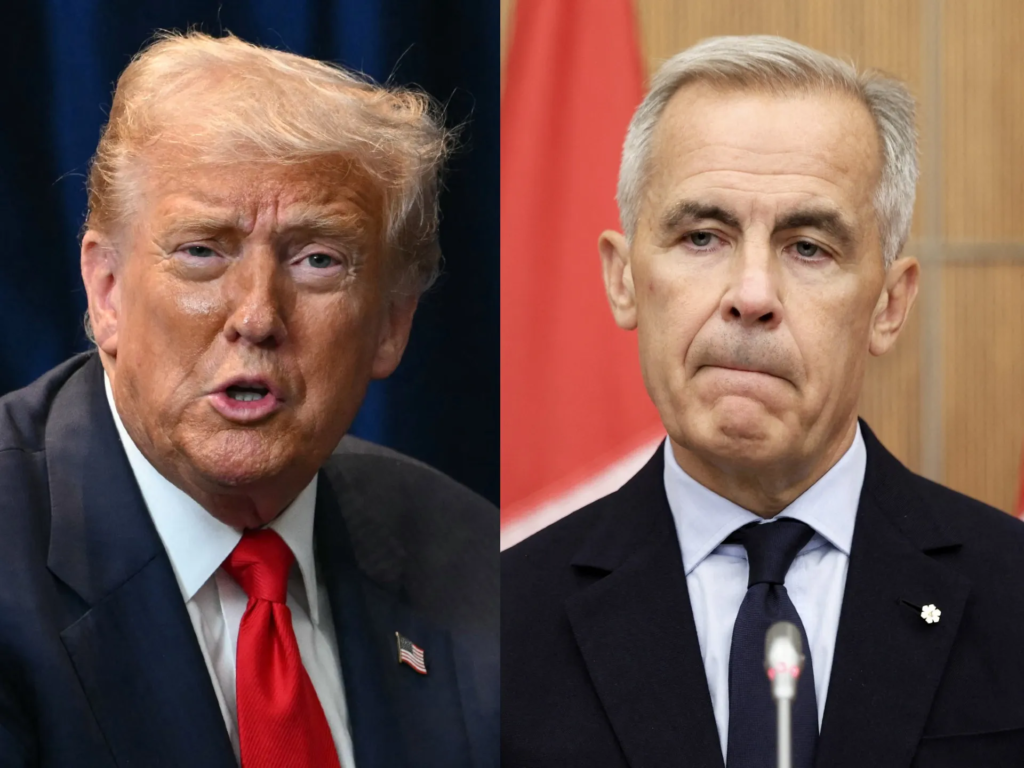
The Capitol Hill reaction has been nothing short of explosive, exposing deep, bleeding fractures within the American political apparatus. Republicans find themselves caught in a brutal crossfire between unwavering party loyalty and the desperate, furious pleas of their own constituents. Farm state senators and manufacturing advocates are quietly panicking as agricultural organizations and energy industry groups flood their switchboards demanding relief. Democrats, meanwhile, are seizing the moment to frame the tariff campaign as a reckless abandonment of the constitutional values that underpin our republic, pointing to a blatant disregard for the international agreements America itself built. The domestic environment is boiling over as American consumers realize the true cost of these policies through severe, tariff-related price hikes at the grocery store. Yet, the most devastating blow to American dominance was not happening in the halls of Congress, but in the global energy markets.
Rerouting the Pipelines of Power
Canada’s retaliatory strategy struck directly at the heart of the American industrial machine. Ottawa accelerated an unprecedented energy diversification plan, redirecting billions of USD in strategic resources toward European and Asian partners. This was not a temporary pivot; it was a permanent structural realignment of the North American energy supply architecture. By providing genuine market alternatives to American buyers, Canada has introduced a terrifying level of permanent uncertainty into our domestic grid. For the American taxpayer, this translates directly to unpredictable utility bills and surging fuel costs that threaten to suffocate working-class families already stretched to the breaking point. The economic bleeding, however, was about to be compounded by an unprecedented legal assault.
The Constitutional Cost of White House Policy
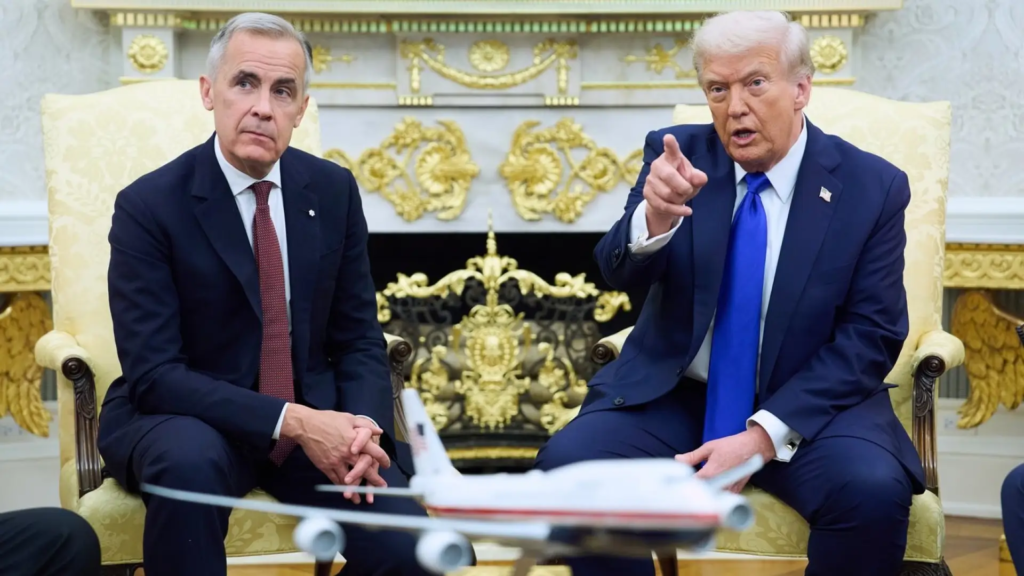
Beyond the immediate financial pain, the administration’s actions triggered a crisis of institutional faith that strikes at the center of global commerce. Canada unleashed a barrage of USMCA legal filings, embedding the confrontation within binding international legal processes. This formal dispute mechanism forced a deeply uncomfortable global conversation about the reliability of American treaty commitments. When the United States treats the rules-based institutions it championed as optional conveniences rather than binding pacts, the foundation of the free market begins to crumble. Foreign partners are now explicitly modeling alternative trade approaches, recognizing that American economic coercion can be actively resisted and defeated. History warns us of exactly what happens when a determined middle power refuses to bow to imperial demands.
Echoes of De Gaulle in the Modern Era
To understand the gravity of this realignment, one must look to the past. When Charles de Gaulle’s France refused to accept American dominance over NATO’s command structure in the 1960s, the long-term consequence was a total recalibration of Western alliances. Similarly, when the European Union retaliated against steel tariffs during Trump’s first term, it proved that targeted countermeasures could successfully defend sovereign economic interests. Canada’s current defiance amplifies these historical precedents exponentially. Because Canada is a Five Eyes intelligence partner and a deeply integrated ally sharing thousands of miles of border, its decision to set the global trade system on fire carries a resonance that is permanently rewriting the rules of international engagement. The cold, hard data proves that the rest of the world is no longer just watching; it is actively moving its money.
Market Shockwaves and the Taxpayer Burden
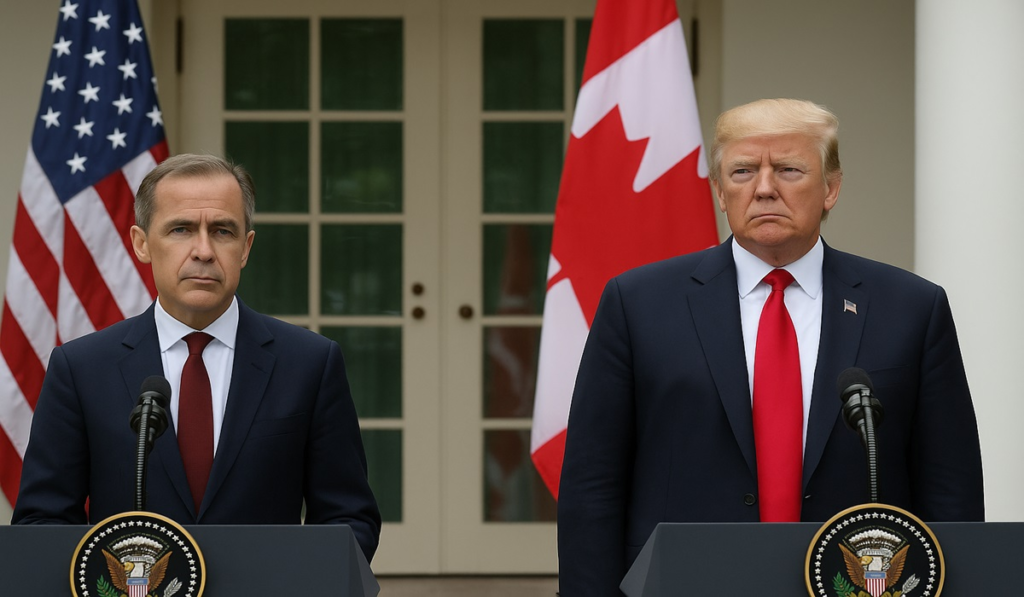
The fire Canada lit is not burning in diplomatic abstraction; it is burning straight through the American wallet. Financial market data from bond yields and currency fluctuations show a persistent, undeniable pricing of North American trade uncertainty. The International Monetary Fund has issued successive downward revisions to its global growth forecasts, citing this exact trade confrontation as the primary catalyst. Global supply chain logistics show companies rapidly accelerating alternative sourcing arrangements, refusing to wait for Washington to regain its strategic senses. For the American taxpayer, this means a future of permanently elevated prices for basic goods, as the exorbitant cost of this massive supply chain restructuring is passed directly down to the consumer. All of this economic carnage is setting the stage for a political reckoning of historic proportions.
The Shadow Over the 2026 Midterms
As the dust settles on this catastrophic miscalculation, the political fallout is morphing into a defining, inescapable issue for the upcoming electoral cycle. The 2026 Midterms are already being heavily shadowed by the undeniable reality that the administration’s fatal error has eroded American diplomatic capacity across security, technology, and global finance. Voters who champion liberty, transparency, and fiscal responsibility are demanding answers as to why their hard-earned money is being squandered in an unwinnable economic war of Washington’s own making. Canada has fundamentally shattered the illusion that smaller partners have no tools beyond quiet accommodation. Ottawa has set the world on fire, and as the flames lick at the edges of the American economy, it is the everyday citizen who is left to navigate the ashes of a global order we once commanded.
Editorial Note: The views and opinions expressed in this article are those of the authors and do not necessarily reflect the official policy or position of any agency or organization. This content is intended to provide diverse perspectives on current events.