
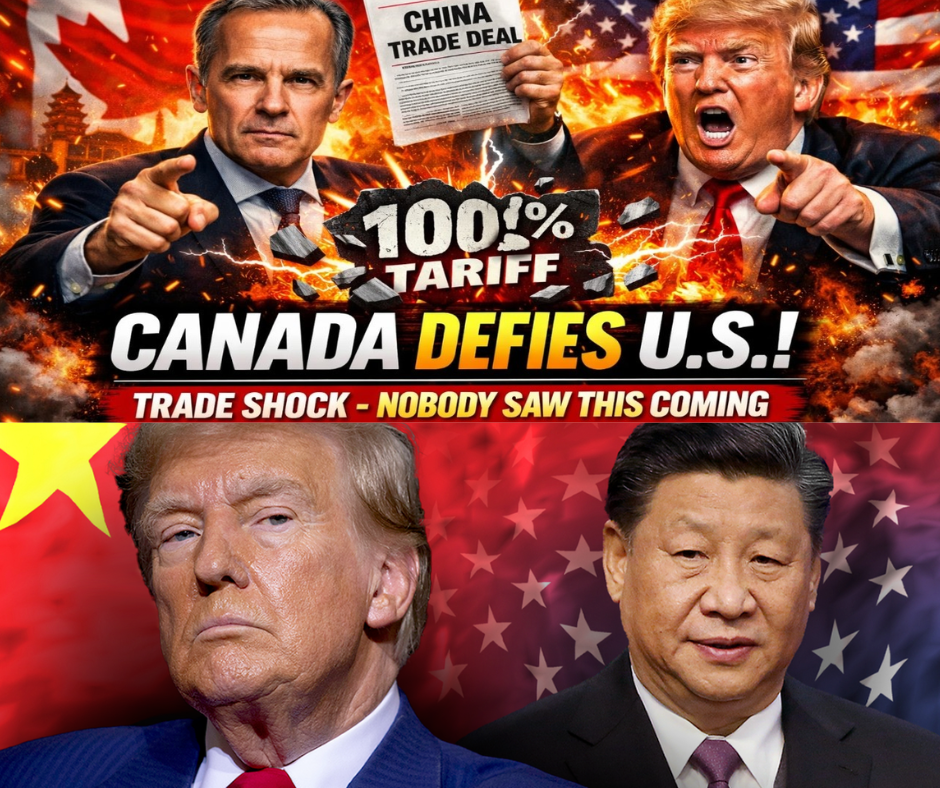
The era of undisputed American economic supremacy just hit a brick wall at our northern border. While Washington bickers, Canada just signed a massive trade pact with China, shattering decades of reliance on the U.S. and leaving American taxpayers footing the bill for a historic geopolitical blunder.
The Collapse of the Continental Consensus
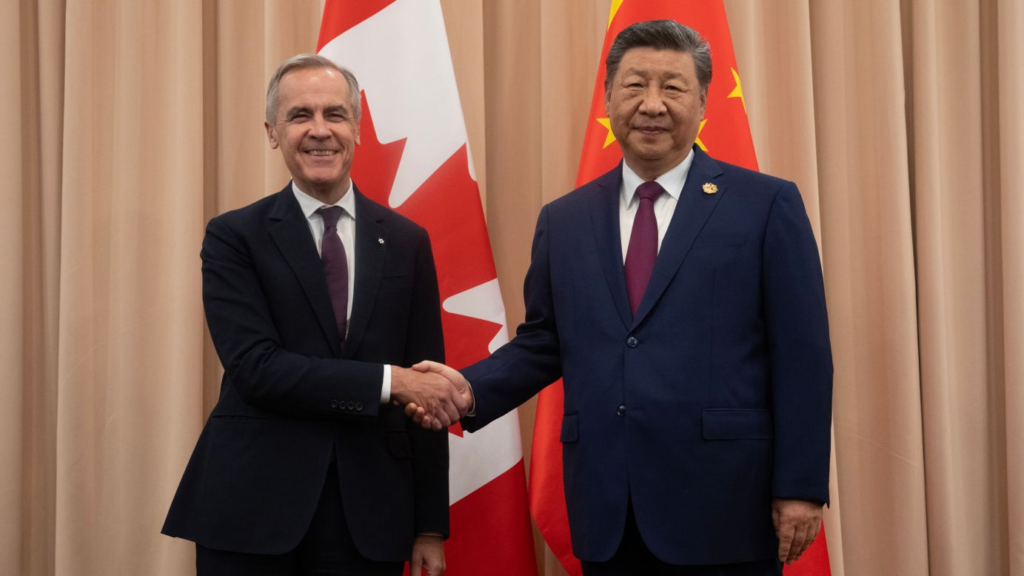
For generations, the unwritten rule of North American trade was simple: Ottawa does not move without Washington’s blessing. That diplomatic subordination was treated as a cornerstone of American national security and economic prosperity. But the tectonic plates of global commerce shifted violently this week. Canadian Prime Minister Mark Carney did the unthinkable, traveling not to the Oval Office, but directly to Beijing to ink a comprehensive trade agreement that fundamentally alters the economic landscape of the free world. It is a stunning rebuke of American hegemony, proving that even our closest historical allies are no longer willing to sacrifice their own economic liberty to appease an increasingly erratic Washington. The immediate fallout is a chilling reminder that sovereignty is not just an American constitutional value; it is a global currency, and Washington’s unipolar bank account is running dangerously low. But the true cost of this diplomatic earthquake is about to hit the American working class right where it hurts the most.
A 100% Miscalculation
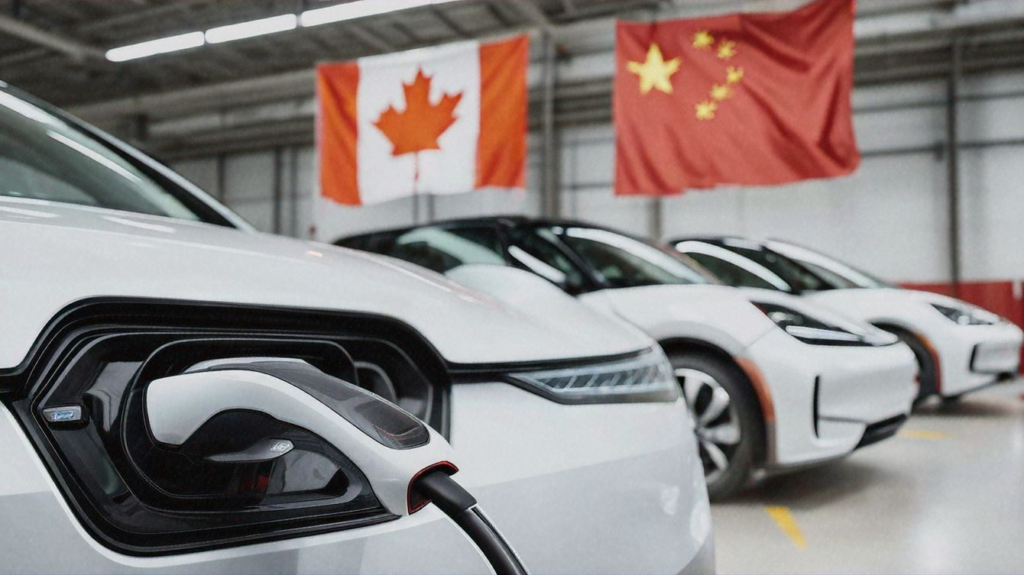
The catalyst for this historic pivot was a textbook case of political hubris. Donald Trump, wielding the threat of a punishing 100% tariff on all Canadian goods, attempted to bully Ottawa into submission. He warned that Canada would become a Trojan horse, a drop-off port for Chinese products aimed squarely at the American market. Instead of cowering, Carney’s government called the bluff. In a move that has left the American automotive industry reeling, Canada slashed its tariffs on Chinese electric vehicles from a prohibitive 100% down to just over 6%. Tens of thousands of highly affordable Chinese-made EVs are now poised to flood Canadian highways annually. Simultaneously, Beijing slashed tariffs on Canadian agriculture, reopening its massive market to Canadian beef, canola, lobsters, and peas. Washington thought it was wielding a massive stick, but they instead handed Ottawa the perfect political justification to break free from the American economic orbit. And as the dust settles, a terrifying realization is beginning to dawn on lawmakers across the political spectrum.
Capitol Hill Reaction and Partisan Panic
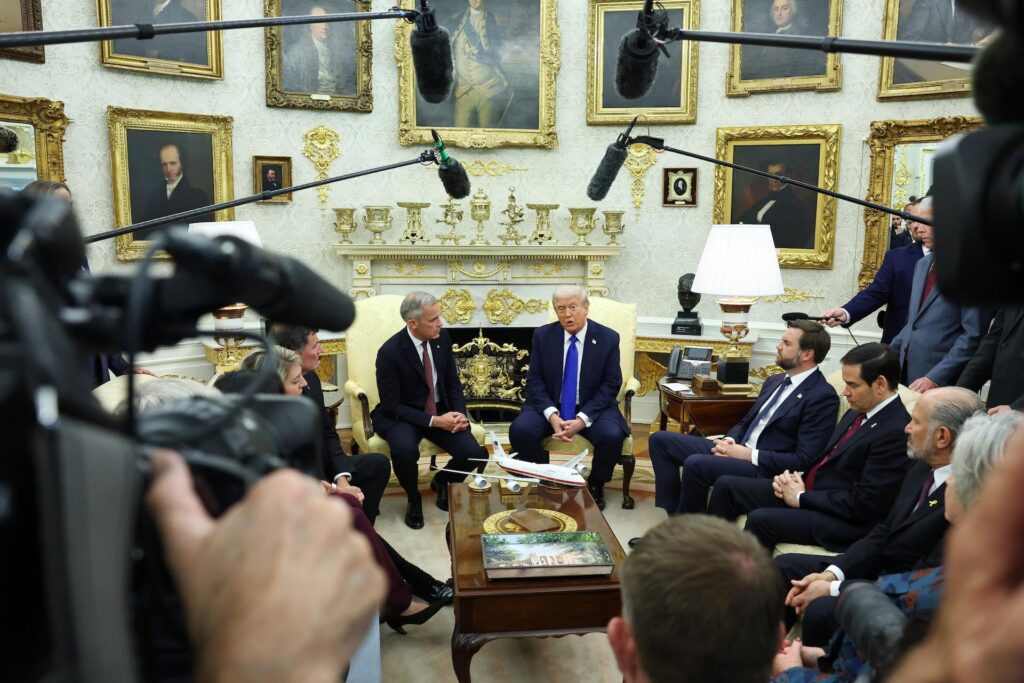
The Capitol Hill reaction has been a spectacle of bipartisan panic, exposing deep ideological fissures. Republicans are scrambling to defend a hardline protectionist stance that seemingly just backfired on a spectacular scale, arguing that “America First” requires absolute leverage. They point to the threat of cheap Chinese manufacturing encroaching within hundreds of miles of the Rust Belt. Conversely, Democrats are seizing on the diplomatic fallout, framing the White House policy as a reckless alienation of a vital G7 ally that undermines long-term national security. Yet, beneath the partisan finger-pointing lies a shared, unspoken dread: the realization that the old American playbook of economic coercion is obsolete.
The Taxpayer Toll and the Rust Belt Reality
Let us be brutally honest about what this means for the everyday American taxpayer. For decades, the integrated supply chains connecting Detroit to Windsor and Texas to Alberta have kept consumer costs stable. If Washington follows through on its retaliatory 100% tariff threats, the American consumer will bear the absolute brunt of the devastation. We are looking at skyrocketing costs for lumber, energy, agricultural products, and automotive parts. The legacy American auto industry, which has been notoriously slow to adapt and heavily subsidized by the very taxpayers now facing inflation, is suddenly confronted by an existential threat just across the border. While Canadian citizens gain access to cutting-edge, affordable electric vehicles, American consumers will be trapped behind a protectionist wall, paying premium prices for inferior products. It is a stark violation of free-market liberty, effectively taxing the American public to shield corporate complacency. But the financial bleeding might only be the prelude to a much larger political reckoning.
White House Policy Paralyzed
The current administration is trapped in a paralyzing catch-22. If the President executes the 100% tariff, he triggers a devastating trade war that will decimate American supply chains and send inflation soaring right before the next major election cycle. If he backs down, the threat is exposed as entirely hollow, destroying American credibility on the world stage. Beijing is watching this paralysis with strategic glee. They did not have to fire a single shot or issue a single threat. They merely offered Ottawa an equal partnership while Washington offered ultimatums.
The 2026 Midterms and the Sovereignty Question
This catastrophic diplomatic failure will undoubtedly become the defining battleground of the 2026 Midterms. Voters who are already exhausted by inflation and empty political rhetoric will be asking hard questions about why American leadership managed to alienate our most reliable neighbor while handing a massive geopolitical victory to the Chinese Communist Party. The foundational American principles of liberty, free enterprise, and constitutional sovereignty are being weaponized against us by nations tired of perpetual bullying.
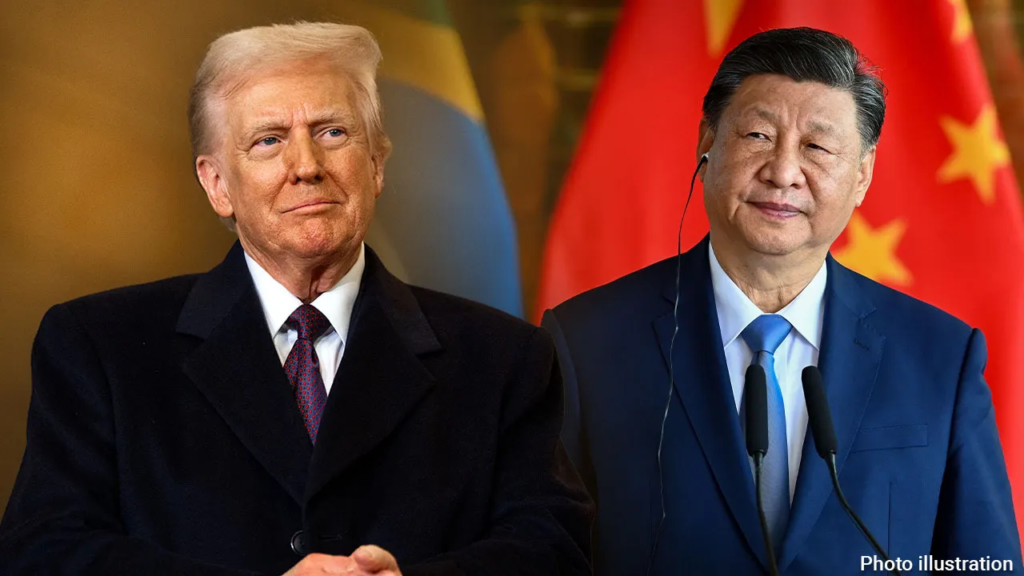
If Canada, an economy historically tethered to the United States for roughly 75% of its exports, can successfully declare its economic independence, the global dominoes will inevitably fall.
The Global Domino Effect
The world is watching Ottawa’s defiance with immense interest. What stops Mexico from following suit? What prevents Latin America, Europe, or Asia from realizing that the gravitational pull of the American economy is no longer absolute? Prime Minister Mark Carney has proven that a middle-power nation can stare down the American establishment and win. The era of taking American economic supremacy for granted is officially dead. Washington must now decide if it will adapt to a world that demands mutual respect and genuine partnership, or if it will continue to isolate itself behind a fortress of tariffs, leaving the American taxpayer to foot the bill for a crumbling empire.
Editorial Note: The views and opinions expressed in this article are those of the authors and do not necessarily reflect the official policy or position of any agency or organization. This content is intended to provide diverse perspectives on current events.