
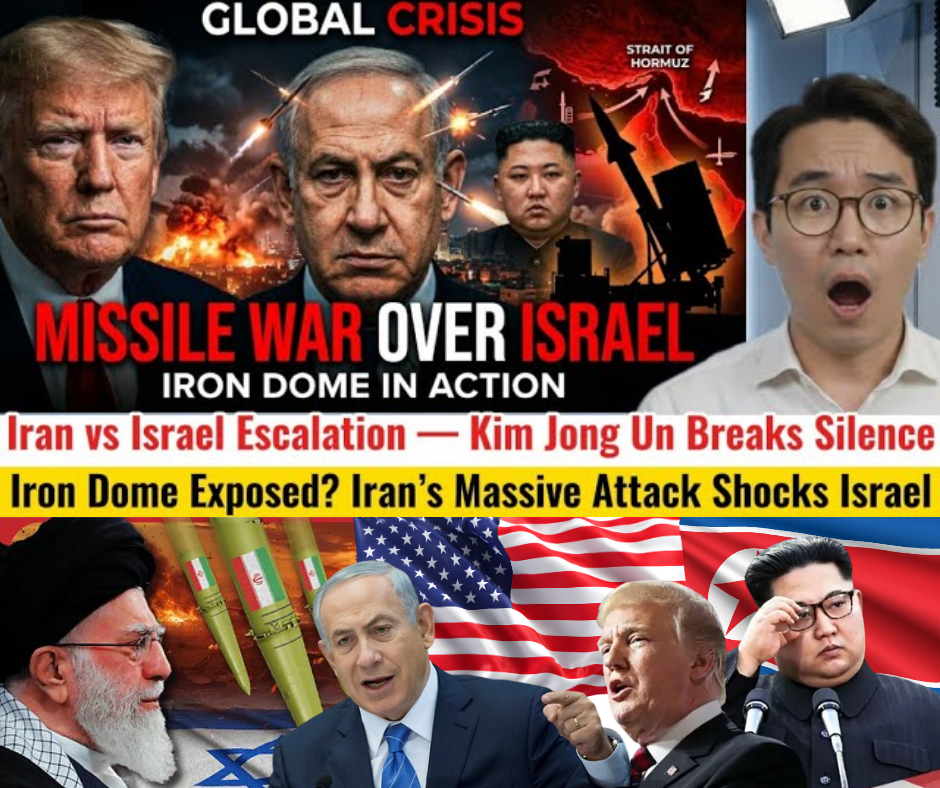
The legendary shield protecting our greatest Middle Eastern ally has just been pierced, and the fallout is rocketing straight toward your wallet. As global oil arteries choke and foreign adversaries explicitly target American corporations, the U.S. taxpayer is about to foot the bill for a geopolitical earthquake.**
The Fall of the Iron Umbrella
For a generation, the Israeli defense doctrine rested on a simple, comforting premise: take the fight to the enemy and keep the homeland safe. The Iron Dome was the ultimate insurance policy, a technological marvel that allowed citizens to sleep soundly. But the skies over the Middle East have caught fire, and that umbrella now has gaping holes. Unprecedented saturation tactics by Tehran did not just overwhelm interceptors; they hunted specific, high-value coordinates. Intelligence suggests Unit 8200, the signals intelligence crown jewel of the Israeli military, was directly targeted. When the eyes and ears of a military superpower are blinded, the entire strategic board resets. And for the American republic, this reset carries a devastating, hidden cost.
But the military shockwave is only the beginning of a much darker economic reality currently creeping into American living rooms.
Washington’s Coalition Crisis
In the chaotic aftermath, a deeply revealing statement emerged from former President Donald Trump. While boldly claiming Iran’s military capacity was decimated, he simultaneously issued a desperate plea to the navies of the world—urging China, France, Japan, and the UK to send warships to the Strait of Hormuz. If the enemy is truly neutralized, the world’s greatest navy does not need to pass the hat for reinforcements. This call exposed a terrifying vulnerability in White House policy. Washington is not asking for firepower; it is begging for legitimacy. Yet, the globe responded with a masterclass in diplomatic abandonment.
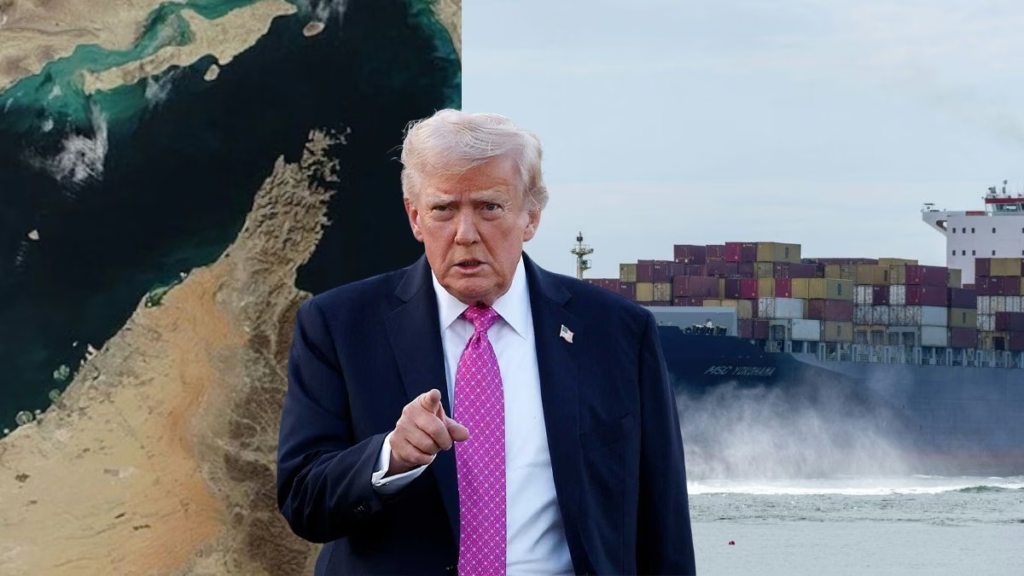
France claimed a strictly defensive posture. The UK invoked the ghosts of the 2003 Iraq War to avoid entanglement. China flatly refused, protecting its own oil lifeline, while Japan recoiled at the constitutional third rail of foreign combat. The United States stands dangerously isolated on the world stage.
This isolation is precisely what Tehran was banking on to execute the next, unprecedented phase of their offensive.
The Corporate Kill List
Iran is no longer limiting its wrath to military installations or foreign soil. In a chilling escalation, Tehran issued public warnings complete with exact coordinates targeting the regional offices of iconic American corporations. Lockheed Martin, Boeing, Microsoft, ExxonMobil, and Amazon Web Services are now in the crosshairs. This is not just a psychological terror tactic; it is a slow-motion financial siege designed to trigger an economic exodus from the Gulf. For the American taxpayer, this means billions of USD in foreign investments are suddenly at risk of vaporization.
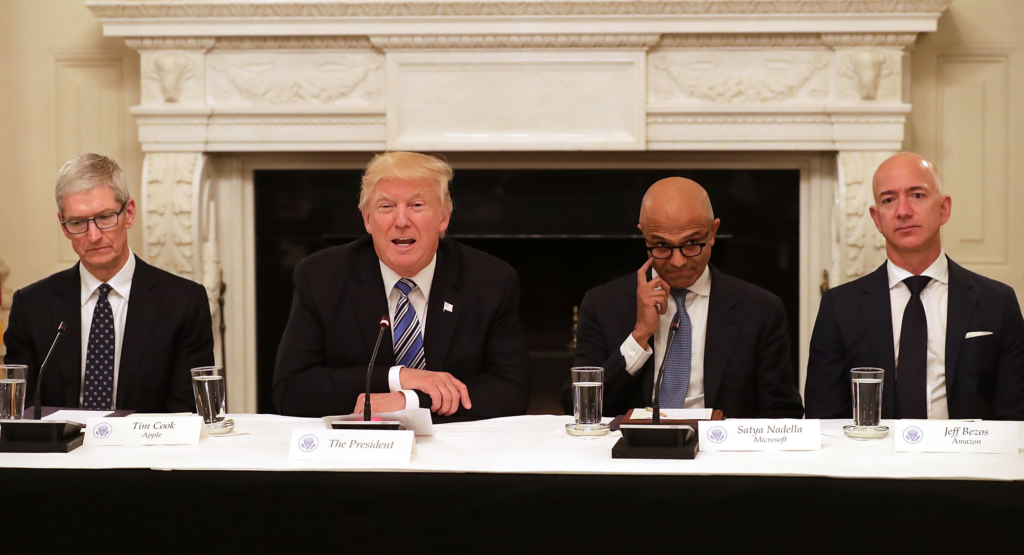
It is a direct assault on the corporate infrastructure that underpins American economic supremacy, fundamentally altering the risk calculus for any U.S. business operating overseas.
Partisan Paralysis on Capitol Hill
Back in Washington, the Capitol Hill reaction has devolved into predictable partisan trench warfare. Republicans are seizing on the moment to decry current White House policy as dangerously weak, pointing to the emboldened posture of our adversaries as proof of failed appeasement. They demand a return to maximum pressure, invoking our constitutional duty to provide for the common defense and protect American interests abroad. Conversely, Democrats are warning against stumbling blindly into another trillion-dollar Middle Eastern quagmire. They argue that conservative demands for unilateral retaliation will only stretch our already depleted military bandwidth. Neither side seems prepared to level with the American voter about the true financial and human cost of this conflict.
While politicians bicker over talking points, a far larger trap is being sprung thousands of miles away in the heart of Europe.
A Two-Front Global Nightmare
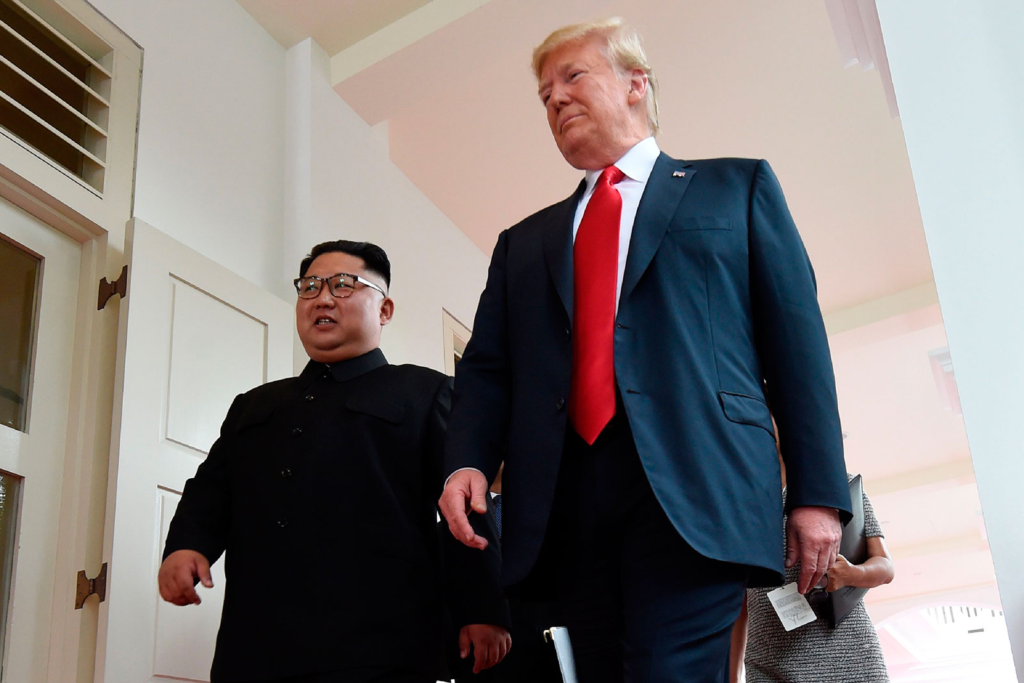
The geopolitical rot is metastasizing far beyond the Levant. In a quiet but lethal move, Iran has directly warned Ukraine that supplying drones to Israel will make Kyiv a legitimate target. This instantly links the battlefields of Eastern Europe with the deserts of the Middle East. Simultaneously, North Korea’s Kim Jong-un test-fired a salvo of unintercepted missiles, probing the perimeter to see if the American military has the capacity to fight two major wars at once.
Even Switzerland, the historical bastion of neutrality, denied overflight permission for two U.S. military flights. The world is fracturing. The global order that American blood and treasure built over the last century is being dismantled piece by piece.
The 2026 Midterms and the Price of Gas
As we barrel toward the 2026 Midterms, the ultimate victim of this international collapse will be the American working class. The Strait of Hormuz is the world’s gas pump, funneling twenty percent of global oil production daily. If that narrow passageway is choked off by conflict, oil prices will not just spike—they will go into cardiac arrest. Inflation, the invisible tax that has already hollowed out the savings of millions of Americans, will surge with a vengeance. Voters will soon be asking why their heating bills and grocery costs are skyrocketing to fund a shadow war thousands of miles away. Central banks will be utterly powerless to stop the bleeding.
The Constitutional Cost of a Forever War
We are standing at the edge of a regional abyss that threatens to swallow the global economy whole. For a nation founded on the principles of liberty and self-determination, the prospect of being dragged into another endless conflict without a clear congressional declaration of war is a constitutional affront. The Iron Dome’s cracks have revealed the fragility of our foreign policy. The hard truth is that America can no longer afford to police a world that refuses to police itself. The shadows have vanished, the missiles are flying, and the bill is coming directly to the American taxpayer.
Editorial Note: The views and opinions expressed in this article are those of the authors and do not necessarily reflect the official policy or position of any agency or organization. This content is intended to provide diverse perspectives on current events.