
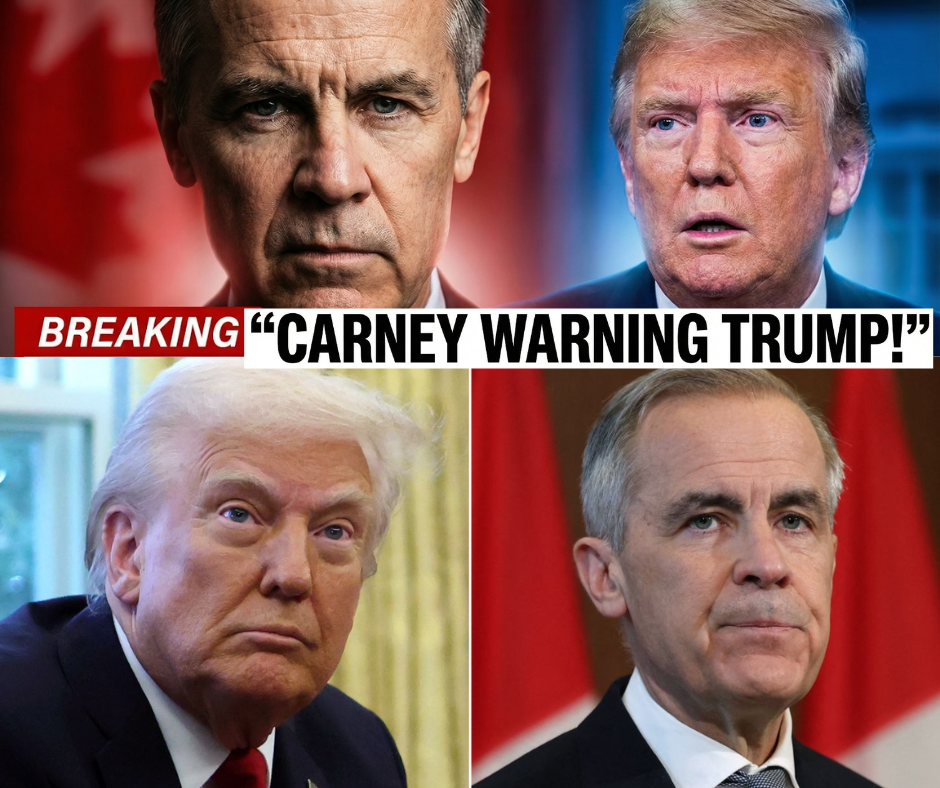
American taxpayers have bankrolled global security for nearly a century, but an unprecedented $40 billion military pivot by our closest neighbor signals a chilling new reality: the free world is quietly preparing for an era where Washington can no longer be trusted to defend the northern frontier.
The $40 Billion Wake-Up Call for Washington
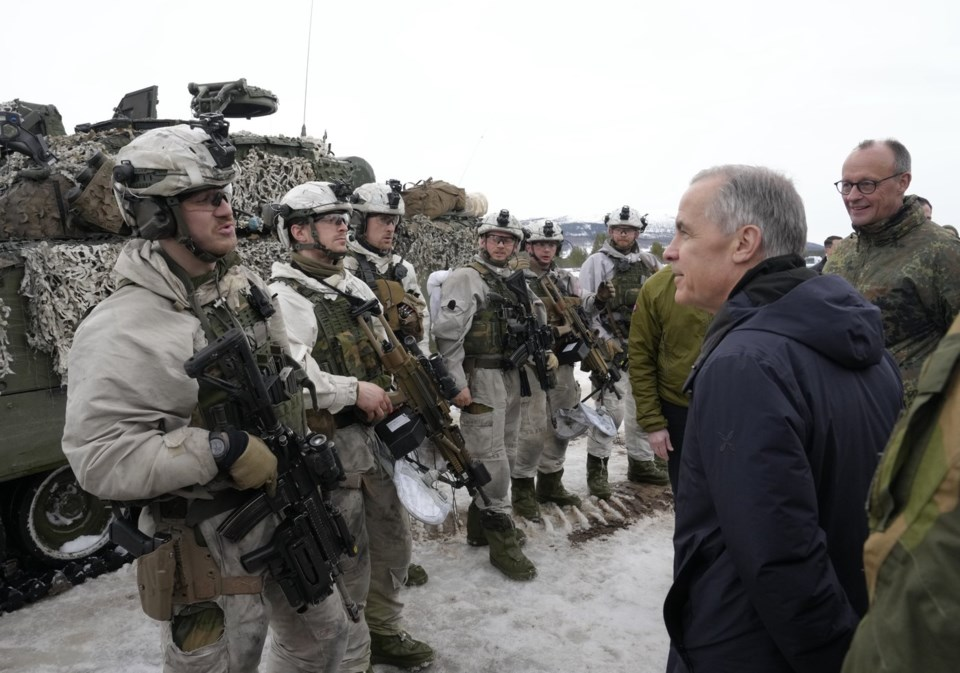
The setting was Norway, the backdrop was “Cold Response”—a massive military exercise mobilizing 30,000 troops from 14 nations—and the message was aimed squarely at the American republic. For decades, the United States has operated under the bedrock assumption that North America’s Arctic defense was a shared, US-led enterprise. But as Canadian Prime Minister Mark Carney stood shoulder-to-shoulder with the leaders of Germany and Norway, he delivered a masterclass in diplomatic recalibration. Canada is funneling a staggering $40 billion USD into Arctic defense, infrastructure, and economic security. They are building a fortress in the ice, and they are doing it because they realize the American security umbrella may be folding. But what does this mean for the American taxpayer who has subsidized NATO for generations? The answer might fundamentally rewrite the power dynamics of the Western Hemisphere.
“Greenlanding” and the Capitol Hill Reaction
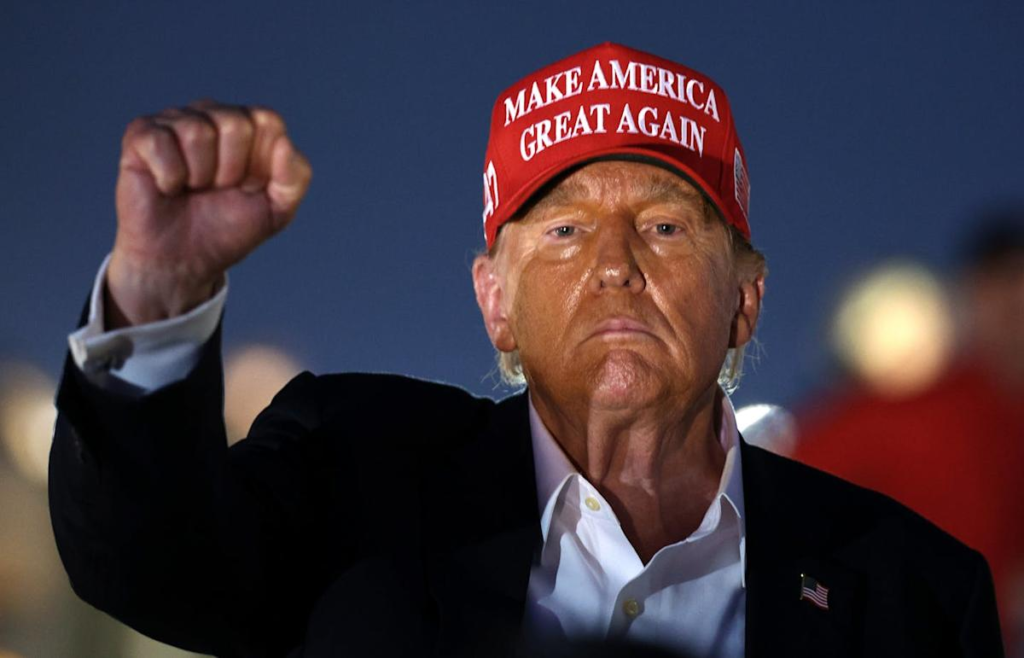
To understand this seismic shift, we must look at the undeniable clash between Democratic and Republican perspectives on foreign policy. Donald Trump’s provocative suggestions about purchasing Greenland and securing its immense mineral wealth sent shockwaves through European capitals. To the “America First” wing of the GOP, this was a bold assertion of national interest and a savvy move for resource acquisition. To Democrats and traditional institutionalists, it was a reckless abandonment of the diplomatic norms that safeguard our liberty and alliances. Capitol Hill reaction remains fiercely divided, but for Canada, the threat of being “Greenlanded” was a profound violation of sovereign trust. Carney’s move is a direct response to this vulnerability. He made it clear: Canada will not wait for permission or protection. And Washington is completely unprepared for what happens next.
A Middle-Power Coalition Challenges White House Policy
When a Norwegian reporter asked point-blank if the United States could still be trusted with Arctic security, Carney’s hesitation was deafening. He affirmed his trust in NORAD—the integrated listening post and air defense system that has protected our shared skies for a lifetime—but then executed a pivot that upended decades of White House policy. Canada is taking control. By forging a “middle power coalition” with Germany, Norway, and the Baltic states, Ottawa is building a democratic firewall against Russian and Chinese incursions. Beijing has already declared itself a “near-Arctic state,” and Moscow is militarizing the polar ice caps. While American politicians bicker over defense budgets, our allies are actively mapping out a future where the United States is welcome, but no longer essential. If you think this won’t impact your wallet, look at the shifting global trade routes.
The Taxpayer’s Burden and the 2026 Midterms
This Arctic realignment will inevitably become a flashpoint heading into the 2026 Midterms. For the American voter, the stakes are painfully tangible.
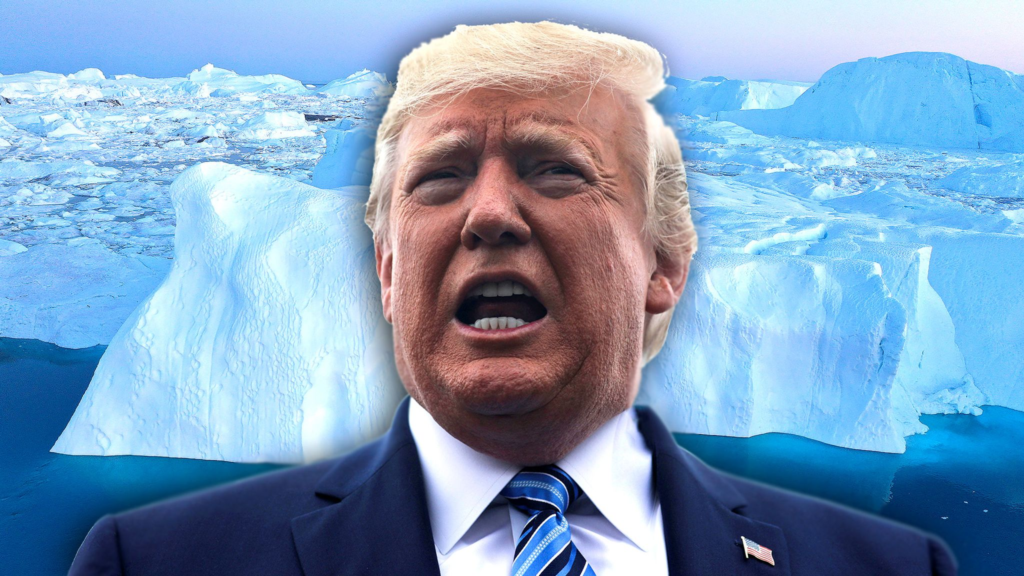
The Arctic is not merely a frozen wasteland; it is a treasure trove of critical minerals and the future superhighway of global shipping. Canada’s northern territory encompasses 40 percent of its landmass, 75 percent of its coastline, and shares a 1,864-mile border with the European Union via Greenland. If a coalition of European and Canadian forces controls these shipping lanes and mineral rights, the US taxpayer could be squeezed out of the economic boom of the century. Republicans will argue this proves our allies are finally paying their fair share, fulfilling a long-standing conservative demand. Democrats will warn that America is losing its seat at the head of the global table, compromising our constitutional mandate to secure liberty through strength. Either way, the bill is coming due.
Defending Constitutional Values in the High North
Liberty and transparency are not just American ideals; they are the bedrock of the rules-based international order. Carney’s $40 billion investment in ports, airstrips, and year-round surveillance systems is a testament to those shared values. However, it also reflects a hard truth: American reliability is in question. The integration of Canadian defense with the Nordic-Baltic gateway means that any threat to the Arctic is now simultaneously a European and North American crisis. The United States can no longer dictate terms from a posture of undisputed supremacy. We are witnessing the birth of a decentralized defense network, one that honors national sovereignty while insulating itself against the unpredictable pendulum swings of American domestic politics.
The Hard Truth for the American Republic
The world is changing, and the ice is melting both literally and geopolitically. As the United States navigates its internal divisions, our allies are taking the wheel. Canada’s assertion of sovereignty is a wake-up call to the center of American power. The American republic must decide if it wants to be a cooperative partner in this new democratic coalition or an isolated superpower watching from the sidelines. The era of unchecked American hegemony in the high north is over, replaced by a fierce, independent allied front that refuses to be left out in the cold.
Editorial Note: The views and opinions expressed in this article are those of the authors and do not necessarily reflect the official policy or position of any agency or organization. This content is intended to provide diverse perspectives on current events.