

As Donald Trump claims total financial exhaustion to dodge a staggering $464 million legal judgment, his empire is quietly plotting a $15 million Florida mega-project. For the hardworking American taxpayer scraping by, the message is clear: the billionaire needs your last twenty bucks to save his throne.
The Jupiter Contradiction: Pennies from the Working Class, Millions for the Golf Club
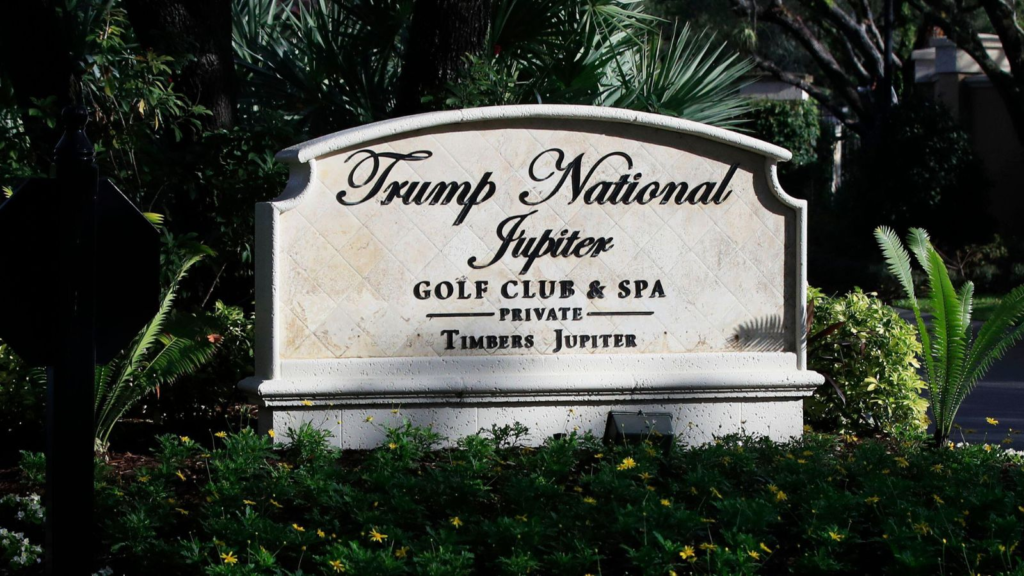
The sheer audacity of the modern political machine is enough to make the Founding Fathers weep. On one hand, Donald Trump’s legal team is standing before the New York appellate division, painting a portrait of a man with his back against the wall, utterly unable to secure a $464 million bond. On the other hand, Eric Trump is proudly taking to the pages of the Palm Beach Post to announce a glittering $12 million to $15 million office complex at the Trump National Golf Club in Jupiter, Florida. This cognitive dissonance is not just a rounding error; it is a glaring spotlight aimed at the center of the chasm between the elite class and the everyday American voter. While families struggle under the weight of current White House policy and rampant inflation, they are being bombarded with apocalyptic text messages demanding their hard-earned cash. But the truth hidden in the court filings paints a far more complicated picture.
Keep Your Filthy Hands Off: The Anatomy of an Outrage Machine
“Keep your filthy hands off Trump Tower.” That was the battle cry beamed directly into the pockets of millions of blue-collar workers this week. It is a masterpiece of political communication, engineered to trigger a visceral defense of American liberty and property rights. Yet, the legal reality is starkly different. Campaign finance law explicitly prohibits political donations from settling personal civil judgments. The working-class Americans sending their $5, $10, or $25 contributions are not buying bricks in Trump Tower to keep it out of the state’s hands; they are feeding a massive political operation. This is the new, weaponized definition of OPM—Other People’s Money. The man who wrote the book on leveraging other people’s capital is now leveraging the emotional investments of his base. And while the cash flows in, a powerful prosecutor is quietly cornering his legal team with an undeniable ultimatum.
Letitia James and the Direct Security Trap
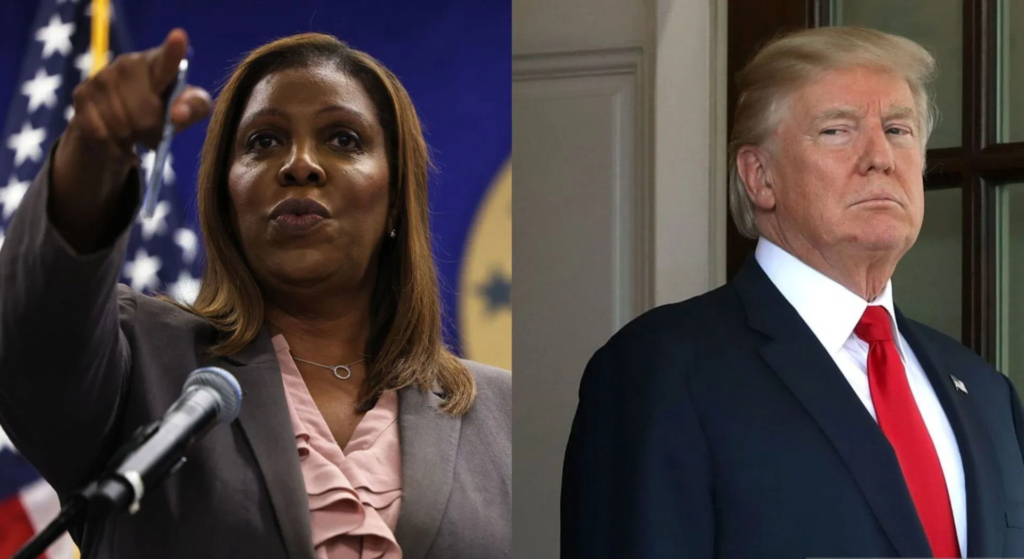
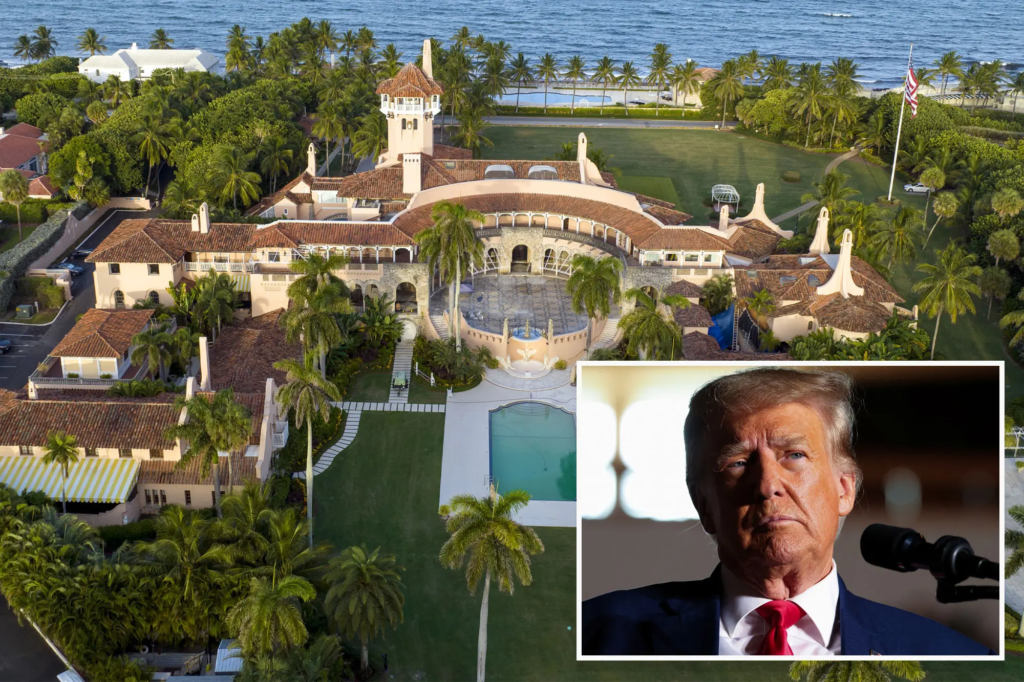
New York Attorney General Letitia James is not buying the narrative of impossibility. In a late-night filing that sent shockwaves through the legal community, James dismantled the claim that securing the bond was an insurmountable hurdle. She pointed to a glaring omission in Trump’s defense: if the insurance market truly rejected him 30 times over, he could simply pledge his real estate directly to the Supreme Court to satisfy the judgment. He could hand over the deeds to Trump Tower or Mar-a-Lago as collateral while the appeal proceeds. He has not done this. The refusal to utilize this constitutional mechanism raises a terrifying question for his defense. If the properties are truly worth what he claims, why hide them from the court? The answer to that question might just unravel an entire real estate empire.
Capitol Hill Reaction and the Approaching 2026 Midterms
The partisan fracture over this crisis is absolute. For Democrats, this is the ultimate vindication—proof that the Trump organization was built on inflated fantasies and fraudulent valuations. They view the $354 million fraud finding as the justice system finally catching up to decades of corporate sleight-of-hand. Conversely, the Capitol Hill reaction from Republicans frames the entire spectacle as a coordinated, unconstitutional attack. To the GOP, this is a Biden witch hunt designed to bankrupt a political opponent, an egregious violation of Eighth Amendment protections against excessive fines. This deep ideological divide is already shaping the battleground for the 2026 Midterms, where the definition of justice itself will be on the ballot. Yet, beneath the political theater, a cold, unfeeling legal clock is ticking down to zero.
The Illusion of Wealth and the Burden on the American Taxpayer
Why should the average taxpayer care about a billionaire’s bond crisis? Because you quickly realize it exposes the fragile illusion of elite accountability. The legal system is in the business of measuring gaps. The gap between a claimed $426 million value for Mar-a-Lago and the assessor’s $18 million. The gap between boasting of $500 million in liquid cash on Truth Social and pleading poverty in a sworn court filing. When the wealthiest among us can shield their assets behind complex corporate webs, LLCs, and entity-level debt, the burden of funding the republic falls disproportionately on the middle class. The working man is expected to pay his debts in full, immediately, without the luxury of claiming practical impossibility. As the deadline looms, we are about to witness whether the scales of American justice are truly blind.
The Final Reckoning: When the Clock Strikes Zero
The legal system operates on a schedule completely insulated from Truth Social posts and emergency fundraising emails. The $87,000 per day in accrued interest does not pause for political rallies, nor does it care about the color of the political map. Whether you view this as a triumph of transparency or the death of liberty, the stark truth remains: the gap between political rhetoric and documented reality is collapsing. The era of running a political campaign on the fumes of a legal defense is reaching its absolute limit. Something has to give.
Editorial Note: The views and opinions expressed in this article are those of the authors and do not necessarily reflect the official policy or position of any agency or organization. This content is intended to provide diverse perspectives on current events.