
Right now, behind closed doors in Washington, a high-stakes gamble is underway that could detonate your grocery bill and decimate American manufacturing. As politicians play a dangerous game of economic coercion with our northern border, the American taxpayer is about to foot a catastrophic bill.
The Ghost in the Negotiating Room
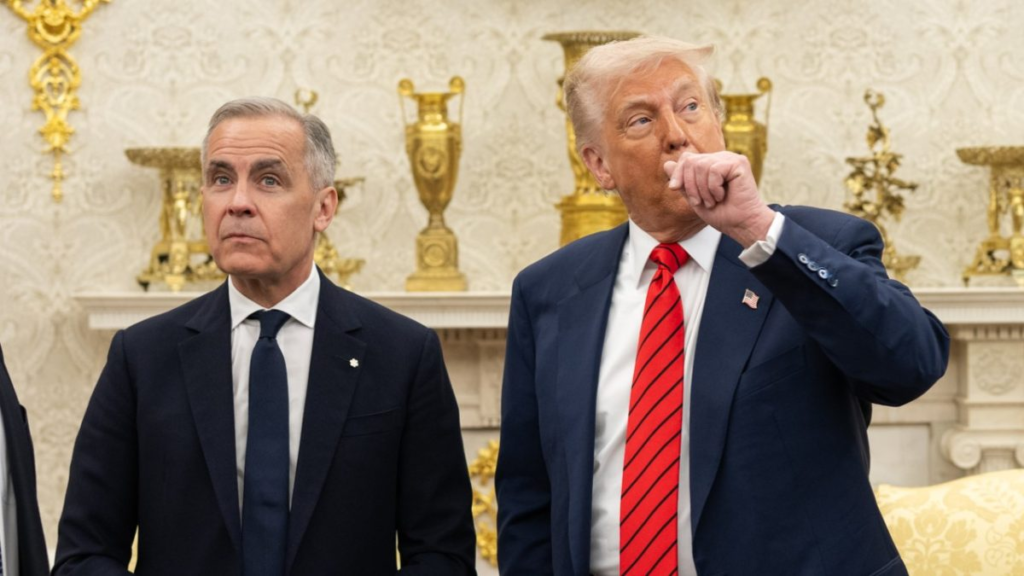
This week, American and Mexican trade officials sat down in the nation’s capital to begin the formal six-year review of the USMCA, the landmark agreement that replaced NAFTA. The air in the room was thick with tension, but the most deafening sound was the silence from the empty chairs at the table. Canada was nowhere to be found. Ottawa is refusing to show up until May, a calculated delay that speaks volumes about the fracturing of North American trade relations. Driven by a trade ideology that still fiercely dominates Republican policy in 2026, the United States is arriving at these negotiations not as a partner, but as an empire demanding tribute. Washington wants to isolate Mexico, rewrite the rules of global commerce, and subordinate Canadian sovereignty to American corporate interests. But what American voters do not realize is that this divide-and-conquer strategy might just trigger the greatest economic backfire in modern history.
Fortress North America or a House of Cards?
The White House policy being pushed is branded as “Fortress North America.” On the surface, it reads like a conservative think-tank fantasy: strict rules to lock out Chinese goods, massive incentives for domestic U.S. production, and a fortified continental supply chain. The goal is to build an economic bloc capable of weathering the rise of the BRICS nations and a deeply integrated European Union. However, beneath the patriotic veneer of protecting American jobs, this strategy is inherently extractive. It demands that our neighbors become mere resource colonies and captive consumer markets, forced to buy finished American goods while surrendering their own right to free enterprise. If Washington pushes too hard, the entire continent’s economic architecture could collapse overnight, leaving American workers holding the bag.
The Dairy Cartel and the Heartland Taxpayer
Nowhere is this overreach more glaring than in the agricultural sector. American negotiators are aggressively targeting Quebec’s fiercely protected dairy market, demanding the dismantling of Canada’s supply management system. They want to flood the Canadian market with American milk and cheese. But let us speak the hard truth about this so-called free market demand. American dairy is kept artificially cheap because it is heavily subsidized by billions of USD from the American taxpayer.
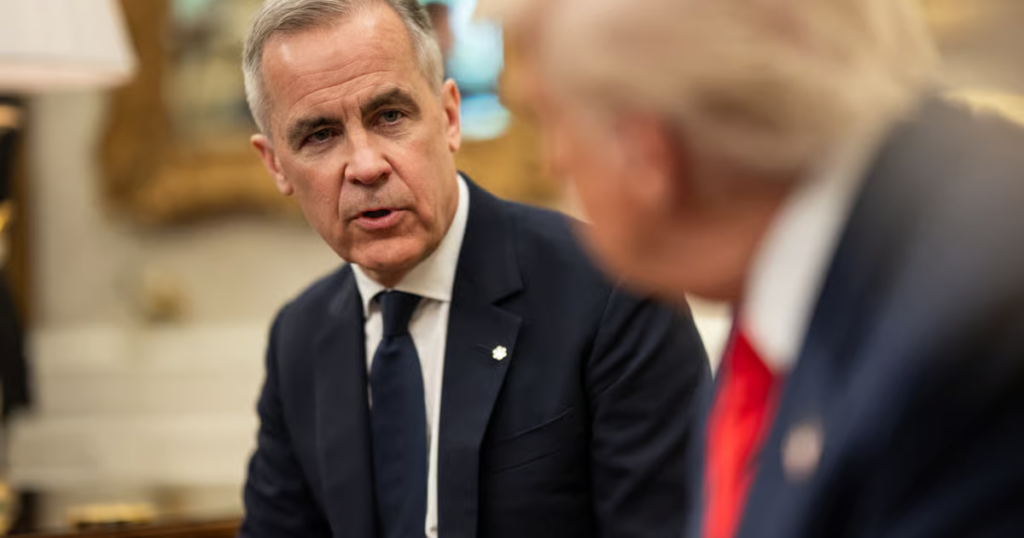
We are weaponizing taxpayer funds to undercut foreign farmers, demanding open markets under the guise of liberty while practicing heavy-handed government intervention at home. This isn’t constitutional free enterprise; it is rigged, corporate-managed trade that enriches massive conglomerates while draining the pockets of everyday Americans. Yet, as the administration plays hardball to appease corporate agricultural lobbies, a much darker geopolitical threat is quietly slipping through the cracks.
Capitol Hill Reaction and the China Loophole
The Capitol Hill reaction to these negotiations has been a volatile mix of partisan panic and hawkish ambition. Republicans, deeply influenced by the lingering specter of Donald Trump’s tariff threats, are heavily advocating for bilateral deals, effectively threatening to let the USMCA expire if Canada and Mexico do not bow the knee. Democrats, meanwhile, are terrified of the ensuing supply chain chaos but remain equally terrified of appearing soft on Beijing. The American demand for stricter rules of origin is ostensibly about national security—keeping cheap Chinese components from sneaking across our borders across thousands of miles of integrated supply chains.
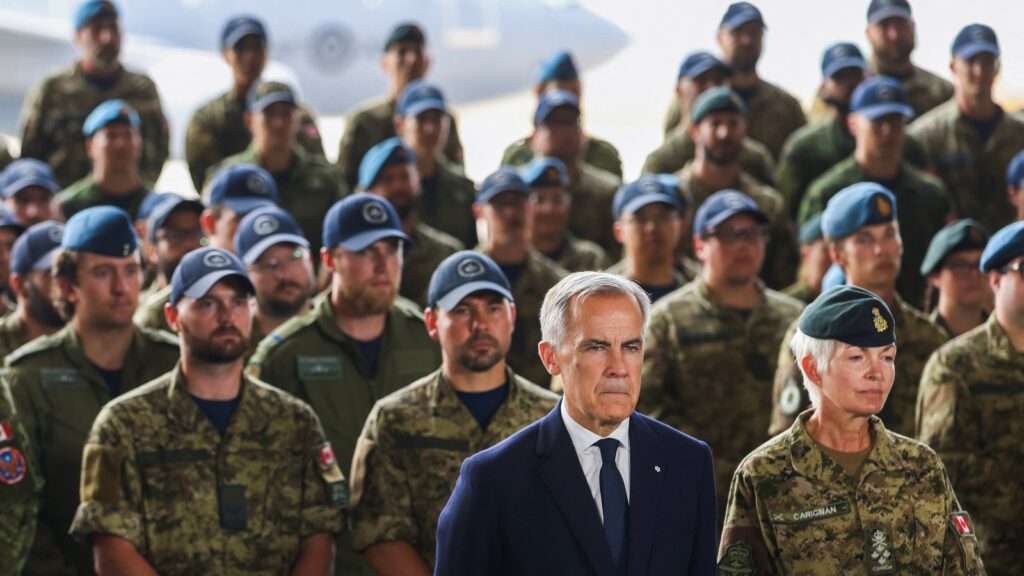
But in reality, Washington is demanding veto power over Canada’s sovereign right to trade with Asia. Canadian Prime Minister Mark Carney has drawn a definitive line in the sand, branding his resistance as “strategic autonomy.” Washington assumed Ottawa would simply fold under the pressure, but they are about to discover exactly how dangerous a cornered ally can be.
What This Means for the 2026 Midterms
Canada is not arriving in May empty-handed. Ottawa has spent the spring quietly leveraging its comprehensive trade agreement with the European Union and forging deeper ties with the Asia-Pacific region. They are building a firewall against American economic coercion. If the United States continues to negotiate from a place of panic rather than strength, the USMCA could legitimately expire. For the American voter, the fallout heading into the 2026 Midterms would be apocalyptic. Millions of American jobs rely on Canadian inputs. A collapsed trade deal means shuttered factories in the Rust Belt, skyrocketing prices at the checkout counter, and a humiliating blow to American credibility on the world stage. True liberty requires respecting the sovereignty of our neighbors, not bullying them into submission. As May approaches, the United States must decide if it wants to lead a republic of free, allied nations, or rule over a fractured, resentful empire. The clock is ticking, and the American economy hangs entirely in the balance.
Editorial Note: The views and opinions expressed in this article are those of the authors and do not necessarily reflect the official policy or position of any agency or organization. This content is intended to provide diverse perspectives on current events.