
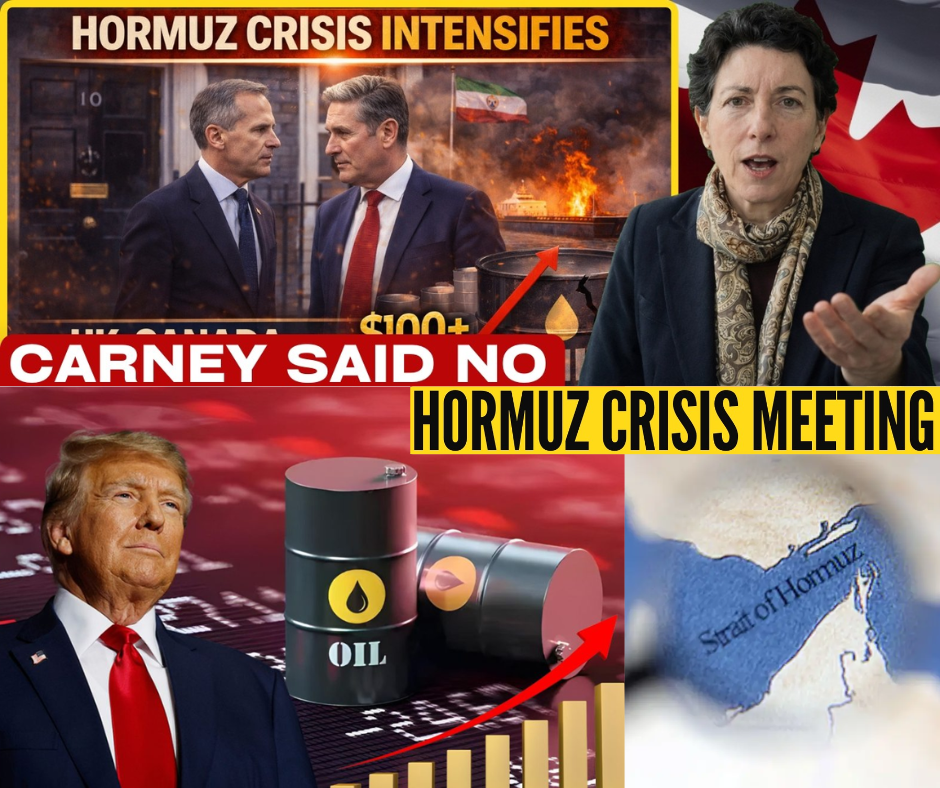
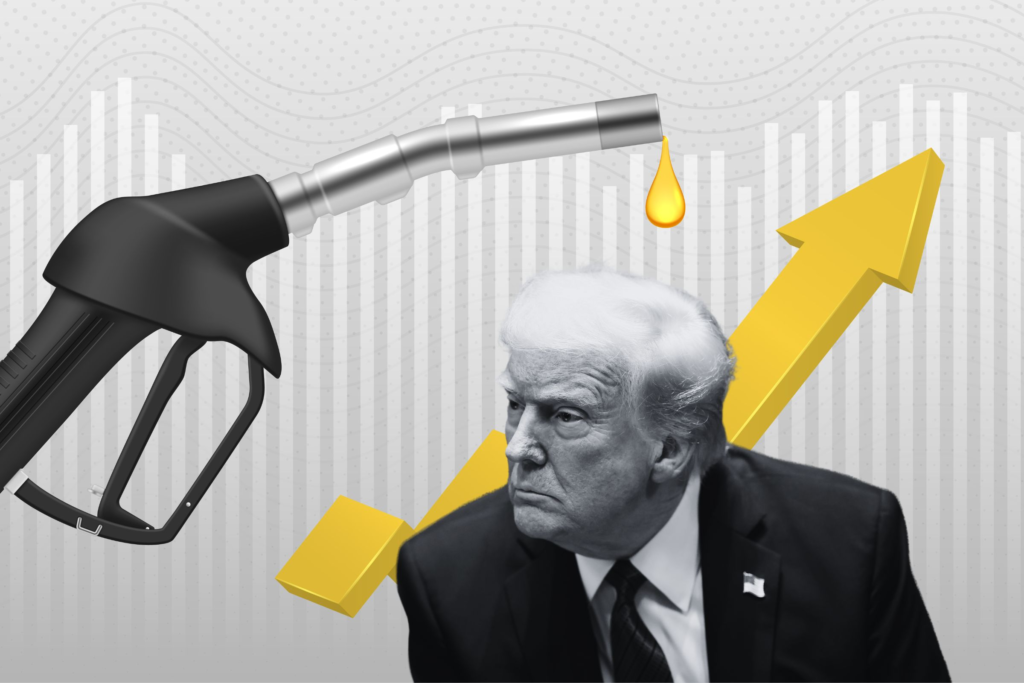
Every time you swipe your credit card at the gas pump today, you are paying for a hot war thousands of miles away. With global oil arteries severed and prices exploding by 40 percent, the American taxpayer is officially underwriting a catastrophic Middle Eastern standoff that threatens to bankrupt the working class just in time for the 2026 Midterms.
Operation Epic Fury and the Ghost of Khamenei
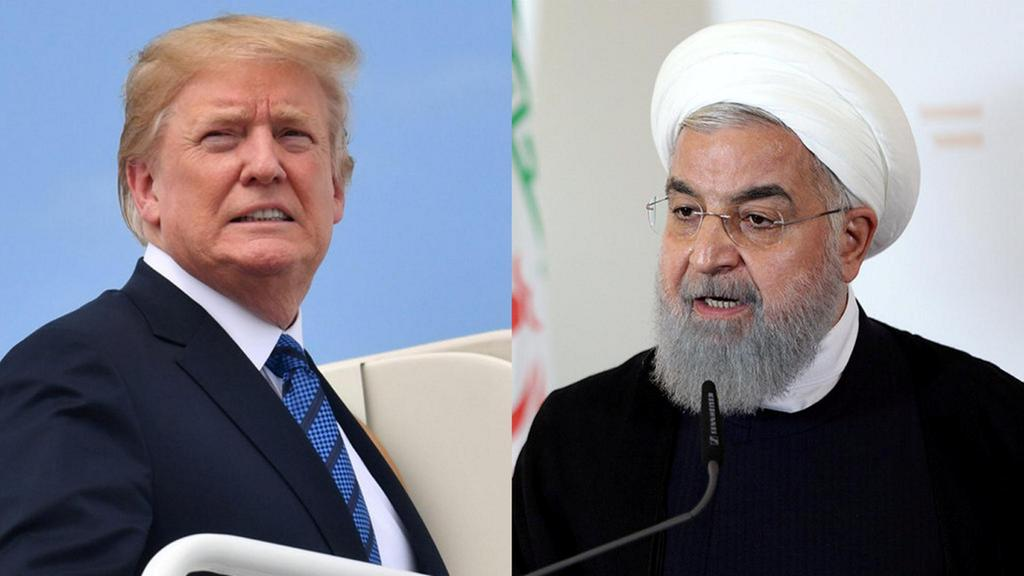
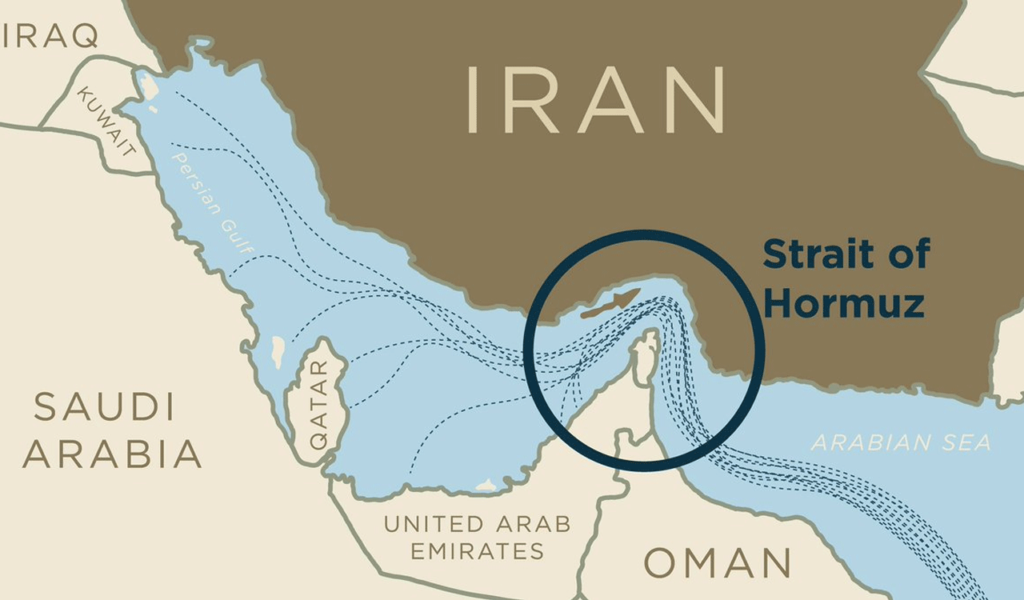
Right now, as you read this, over 150 massive oil tankers are sitting dead in the water, anchored in the open ocean and going absolutely nowhere. They refuse to move because attempting to navigate a narrow, 70-foot-wide shipping lane in the Persian Gulf means risking instant annihilation by Iranian ballistic missiles. The world changed overnight on February 28th when the United States and Israel executed Operation Epic Fury. It was a staggering, joint surprise military strike that decimated Iranian command centers, submarines, and airfields. Within days, Iran’s Supreme Leader Ali Khamenei was dead. The seismic shockwaves of that assassination have now triggered a brutal retaliation, shutting down the Strait of Hormuz and paralyzing the jugular vein of global energy. But the true cost of this military gamble is only just beginning to wash ashore on American soil.
The 70-Foot Financial Bleed
Before this war, an average of 138 ships transited that strait daily, carrying roughly 20 percent of the world’s daily oil supply. Today, that number has plummeted to fewer than five. Brent crude, trading at 71 USD a barrel just weeks ago, has violently broken the 100 USD mark and surged past 130 USD. The International Energy Agency attempted to stop the bleeding by releasing 400 million barrels from emergency reserves, but the brutal math reveals this is merely a psychological band-aid. The world consumes 105 million barrels a day; the reserve dump covers a pathetic four days of global demand. At home, White House policy has been thrown into absolute disarray as administration officials scramble to mask the pipeline deficit. Yet, while politicians bicker over emergency reserves and price controls, a much darker reality is unfolding beneath the surface of the Persian Gulf.
The Partisan Clash Over American Blood and Treasure
The Capitol Hill reaction has been predictably fractured, exposing the deep ideological divide in how America projects power. Republicans, echoing President Trump’s aggressive public demands, are insisting that allies like the UK, France, and Japan deploy naval assets to forcefully reopen the strait. Trump has openly threatened Iran’s primary crude oil export terminal on Kharg Island, warning that American restraint is temporary. Conversely, Democrats are terrified of a prolonged conflict that could crater the US economy right before the 2026 Midterms. They are acutely aware that sending American sailors to escort commercial ships through a gauntlet of IRGC missiles will cost American lives. Canada has already signaled it will not commit military assets, leaving British Prime Minister Keir Starmer and American commanders holding the bag. And as the allied coalition fractures, an unlikely shadow player has entered the diplomatic fray to exploit the chaos.
Strange Bedfellows and the Nuclear Question
In a twist that defies recent history, the Kremlin has confirmed that Moscow and Washington are holding back-channel discussions to stabilize energy markets. The sheer desperation of the moment has forced two proxy-war adversaries into an uneasy dialogue. But oil is only half the equation.
Operation Epic Fury also targeted the Parchin military complex, severely crippling Iran’s nuclear infrastructure. With Mojtaba Khamenei succeeding his father and the IRGC threatening to push oil to 200 USD a barrel, the regime is backed into a corner. American forces have already destroyed 17 Iranian naval vessels and eliminated 16 minelayers, while Iran has fired advanced missiles at Tel Aviv. The question haunting the halls of the Pentagon is no longer just how to reopen the strait, but what happens when the first American ship is inevitably fired upon.
An Impending Supply Chain Catastrophe
This is not an abstract foreign policy debate; it is a direct assault on the constitutional values of liberty and economic independence that American citizens hold dear. The catastrophic closure of the Strait of Hormuz cannot be mitigated by alternative pipelines, which are already maxed out and facing a 12-million-barrel daily deficit. With the Red Sea compromised by Houthi rebels, commercial shipping giants are rerouting around Africa’s Cape of Good Hope, adding thousands of miles and weeks to transit times. From electronics to the food on your table, the supply chain disruptions of the pandemic era will look like a minor inconvenience compared to the sweeping inflation currently bearing down on the US economy. As allied leaders hesitate and military escalations mount, the American voter is left staring down the barrel of a protracted, deeply expensive war with no exit strategy in sight.
Editorial Note: The views and opinions expressed in this article are those of the authors and do not necessarily reflect the official policy or position of any agency or organization. This content is intended to provide diverse perspectives on current events.