
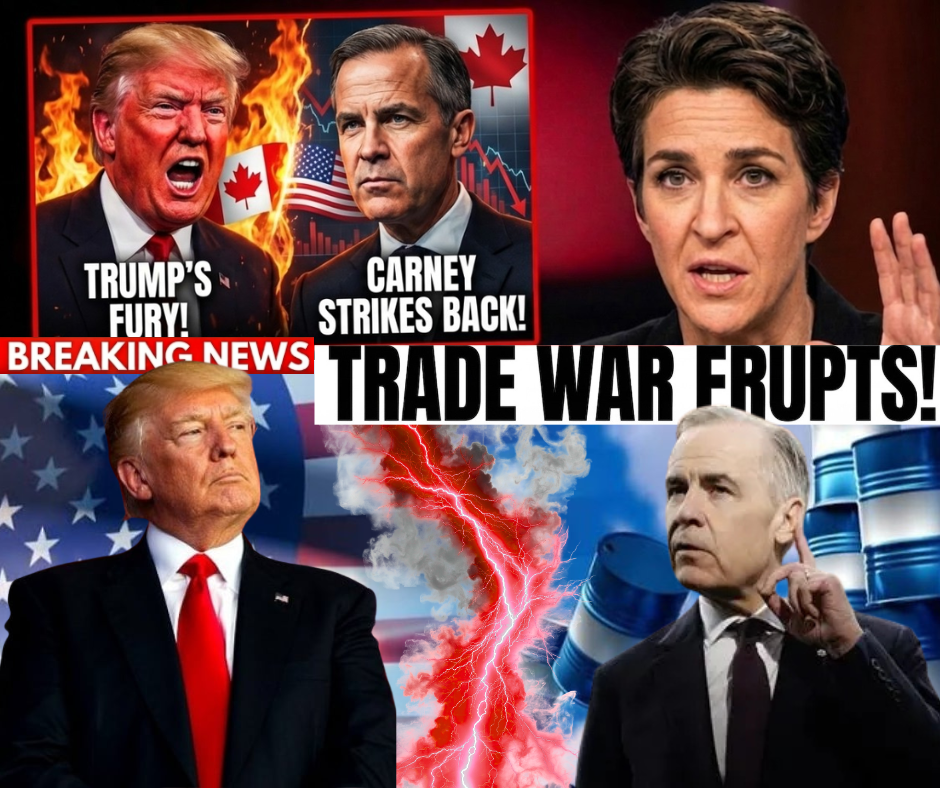
The White House just pulled the trigger on a unilateral trade war with Canada, and the American taxpayer is about to foot a devastating bill. As markets bleed and heating costs threaten to double, working-class voters are staring down an engineered economic crisis born of pure political theater.
The Section 301 Shockwave and Capitol Hill Reaction
In a move that shattered decades of diplomatic stability, the Trump administration invoked Section 301 of US trade law against Canada 48 hours ago. Targeting Canadian digital services taxes, dairy policies, and environmental regulations, the president granted himself the unilateral authority to slap tariffs of up to 60 percent on virtually any Canadian export. From lumber and aluminum to automobiles and energy, the sweeping mandate was executed without congressional approval, bypassing the constitutional checks and balances that protect the American economy from unchecked executive fiat. The administration paired this with executive orders freezing specific Canadian assets in US banks and suspending visa processing for critical business travelers.
The Capitol Hill reaction was immediate and chaotic. Lawmakers from both sides of the aisle are demanding transparency, terrified that this reckless White House policy will detonate the North American economy just as the 2026 Midterms begin to cast their long shadow.
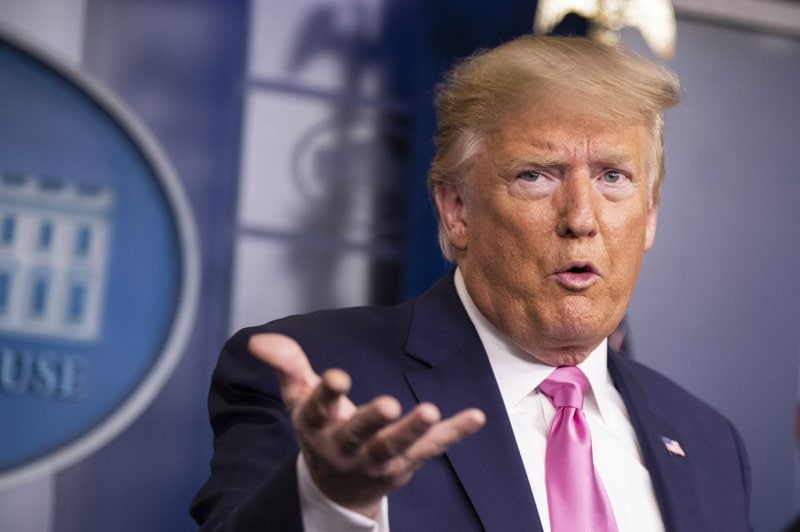
Career trade officials had reportedly warned the administration that this violated the USMCA agreement, but their voices were drowned out by an executive branch prioritizing optics over the hard truth of international trade law. But while Washington bickered over executive overreach, nobody in the West Wing anticipated the devastating trap Ottawa was about to spring.
Mark Carney’s Nuclear Option
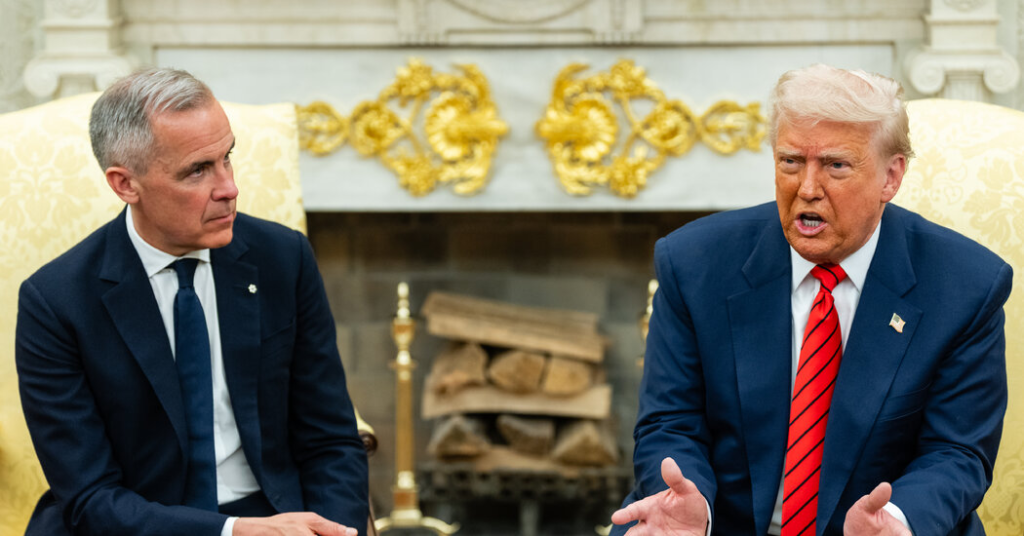
Washington assumed newly minted Canadian Prime Minister Mark Carney, a former central banker, would capitulate. Instead, he delivered a masterclass in aggressive statecraft. Within six hours, Carney invoked the Critical Infrastructure Protection Act, a rare legislative hammer that allows the Canadian government to nationalize or restrict assets deemed vital to their national security. He immediately placed Canadian energy exports squarely on the chopping block.
For the American taxpayer, this is a terrifying reality. Canada supplies approximately 4 million barrels of oil per day to the United States, representing half of all our oil imports. The American Northeast, Midwest, and Pacific Northwest rely heavily on this pipeline to heat homes and power factories. By threatening to choke off this supply, Carney exposed a fatal flaw in current White House policy: America lacks the domestic infrastructure to move its own oil efficiently. If this switch is flipped, heating costs in northern states could spike by 60 percent, and gasoline could jump by over a dollar per gallon. Yet, freezing American homes was only the first phase of a surgical counter-strike that currently has the Pentagon in a state of absolute, unmitigated panic.
A Direct Threat to American Military Supremacy
The hard truth is that the American military-industrial complex is completely dependent on Canadian critical minerals. Lithium for batteries, cobalt for advanced electronics, and rare earth elements are the lifeblood of our defense systems and semiconductor production. Carney’s counter-measure explicitly targets these strategic minerals.
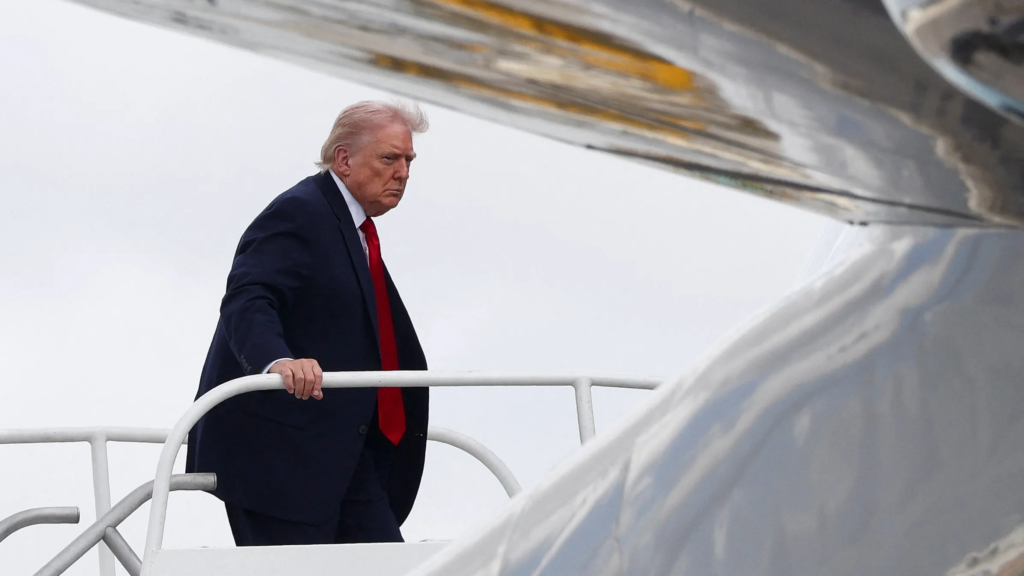
Defense Department officials are now frantically warning the administration that antagonizing our closest ally fundamentally jeopardizes American national security. In a rush to secure a political victory over dairy quotas, the administration has inadvertently forced American defense contractors to consider sourcing materials from hostile foreign powers—a direct betrayal of the liberty and security the Constitution demands our leaders protect. As defense contractors scramble to secure our military readiness, another entirely invisible asset is about to cost ordinary American consumers tens of billions of dollars.
The $40 Billion Airspace Chokehold
Most Americans never think about Canadian airspace, but the most efficient flight paths to Europe and Asia run directly through it. Carney has initiated a comprehensive review of airspace agreements, threatening to force US carriers to reroute. This would add up to three hours of flight time and burn massive amounts of fuel, rendering some cargo and passenger routes economically unviable. The Airlines for America trade group estimates this could cost US airlines $40 billion USD annually.
Wall Street immediately recognized the catastrophe. The Dow Jones plummeted 800 points, energy stocks cratered by 22 percent, and airlines lost a third of their market value in a matter of hours. Major American banks watched hundreds of billions in market capitalization evaporate. Meanwhile, the Canadian dollar strengthened, and the Toronto Stock Exchange rallied. Global investors looked at this engineered crisis and placed their bets on Canada. While Wall Street hemorrhages wealth and corporate America begs for a ceasefire, the most lethal blow to this administration is brewing in the very states that secured its power.
Swing State Rebellion and the 2026 Midterms
The political fallout is already proving toxic. Governors in Michigan, Wisconsin, Pennsylvania, and Minnesota—states that rely on hundreds of billions of dollars in Canadian trade—are in open revolt. Michigan’s Republican governor branded the Section 301 decision “catastrophically stupid,” while Wisconsin’s Democratic governor called it “economic suicide.”
This is not a partisan issue; it is a profound threat to the livelihoods of American families. A staggering 68 percent of Americans oppose these tariffs, a number that rockets to 74 percent in border states. American builders face crippling shortages of steel and lumber, threatening to exacerbate the housing affordability crisis. Farmers are staring down a catastrophic loss of Canadian potash, which will inevitably cause food prices to skyrocket. Voters are realizing that their retirement accounts and paychecks are being sacrificed to satiate presidential ego. With the domestic economy teetering on the edge of a self-inflicted recession, a far more sinister global realignment is quietly taking shape in the shadows.
The Twilight of American Economic Dominance
While the United States isolates itself, Prime Minister Carney has spent the last 72 hours building an international coalition designed to bypass American hegemony. Canada has already inked provisional agreements to increase energy exports to the European Union and finalized critical mineral partnerships with Japan and South Korea. They are systematically constructing alternative global supply chains that render the US market obsolete.
This is how empires fracture. When a nation abandons the foundational principles of liberty, mutual prosperity, and constitutional reliability, its allies simply walk away. The American taxpayer is currently watching their government actively destroy decades of diplomatic and economic alliances for a fleeting headline. If the American people do not demand immediate accountability and a return to rational, transparent governance, the damage inflicted in these 48 hours will haunt our republic for generations to come.
Editorial Note: The views and opinions expressed in this article are those of the authors and do not necessarily reflect the official policy or position of any agency or organization. This content is intended to provide diverse perspectives on current events.