
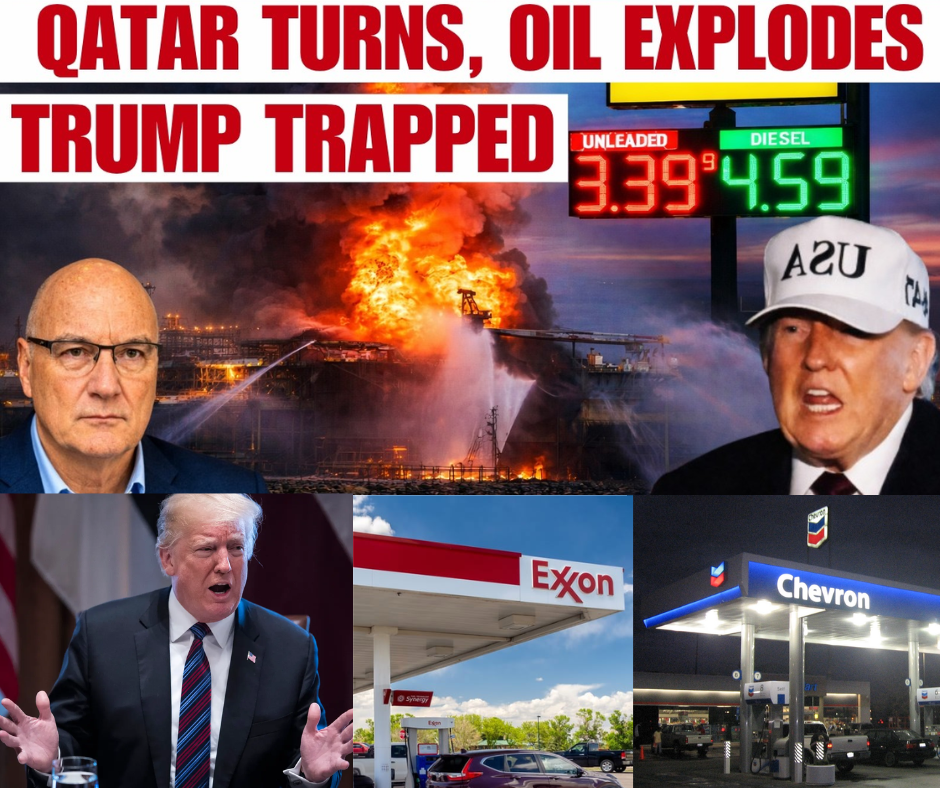
The American taxpayer is about to foot the bill for a catastrophic Middle Eastern miscalculation. With gas prices hurdling toward $7 a gallon and fifty thousand U.S. Marines trapped in a spiraling Gulf conflict, Washington’s broken geopolitical compass is actively bleeding the working class dry.
The Kharg Island Contradiction
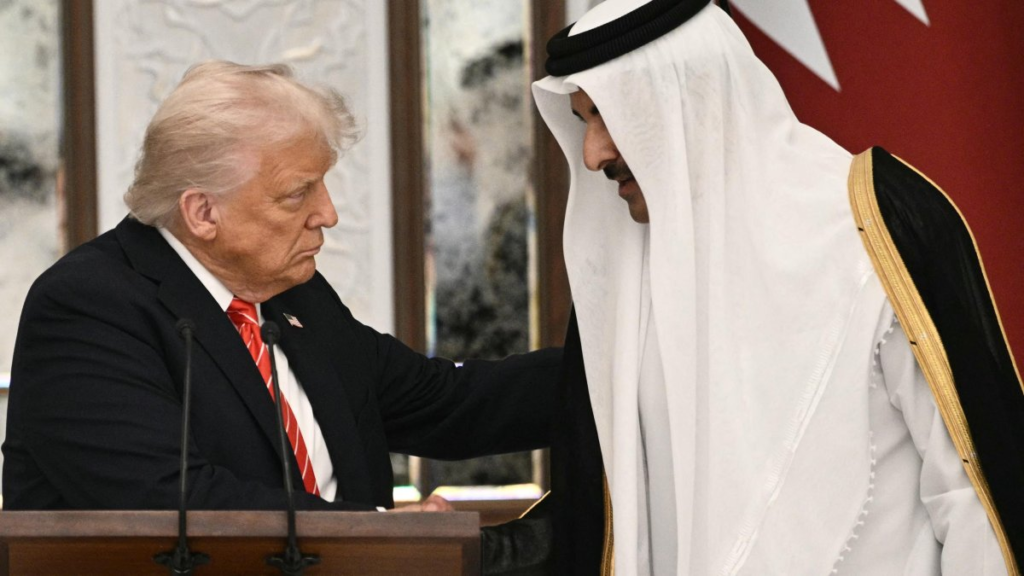
The moment Qatar threatened military retaliation against Israel, the strategic architecture of this conflict stopped being manageable in any conventional sense. Qatar is supposed to be on the American side. It hosts the largest American military base in the region and has conducted back-channel diplomacy on Washington’s behalf since the opening days of this war. Yet Israel, Washington’s closest military partner, bombed a gas installation partially owned by Doha. The contradiction at the center of American strategy has never been more visible. The country conducting this war with American munitions is pushing America’s most important Gulf ally directly into the arms of the enemy. The White House policy response has been a desperate public promise to control an ally that repeatedly demonstrates it does not ask Washington’s permission before acting. But the true danger isn’t what American forces struck—it is the terrifying reality of what they were explicitly ordered to spare.
A Secret Warning from the Energy Titans
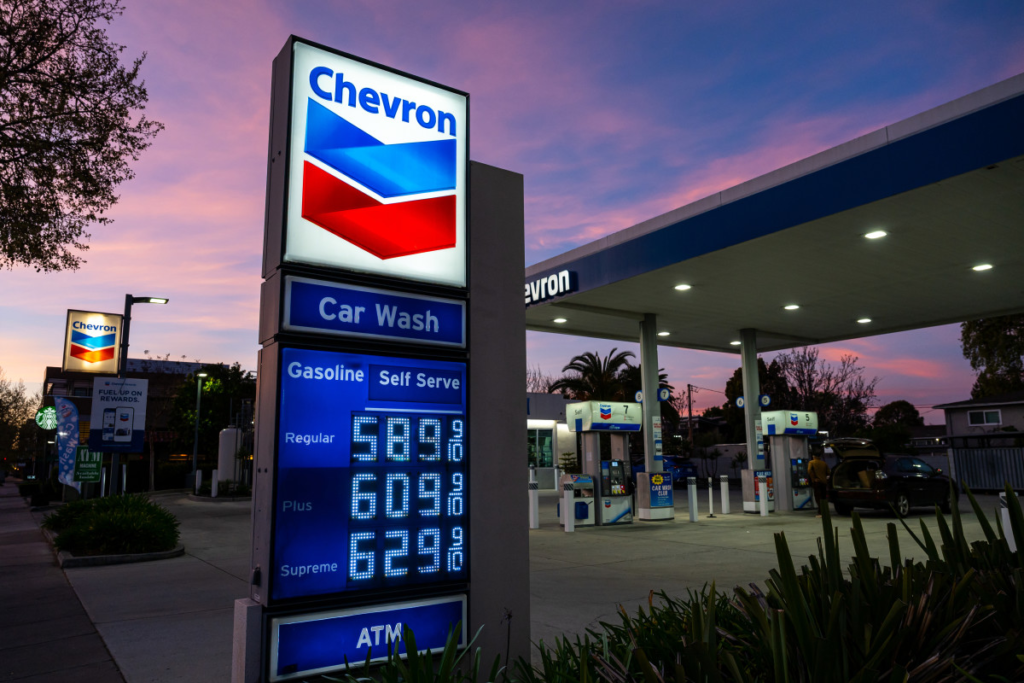
The recent meeting at the White House between senior executives from Exxon, Chevron, and Phillips 66 deserves far more analytical attention than the mainstream press has allowed. When the companies that theoretically benefit from rising oil prices tell the President that the situation is spiraling out of control, it is not a mere market complaint. It is a structural warning. The executives told the administration directly that the worst of the energy disruption has not yet arrived. With the Strait of Hormuz closure choking off twenty percent of globally traded oil, prices will continue rising. The executives delivered a chilling ultimatum: oil is on a trajectory toward 200 USD per barrel. At that level, retail gasoline in the United States roughly doubles. The cascading effect through every supply chain on Earth produces food price spikes and the kind of sustained inflation that destroys political viability. The executives did not come to the Oval Office to complain about profit margins; they came to deliver an apocalyptic prophecy for the American economy.
The Myth of Energy Independence
For decades, politicians have peddled the soothing narrative of American energy independence, promising that domestic drilling secures our liberty and shields us from foreign chaos. This is a myth in the context of a globalized commodity market. A country can produce all the oil it needs domestically and still pay the global market price, because selling it below that price is economically irrational for the producing companies. The Hormuz closure does not affect North American production, but it dictates the global price at which that production is valued. A consumer in the American heartland paying to heat their home or drive twenty miles to work is inextricably tethered to the Ras Laffan fire and the South Pars damage. This structural vulnerability threatens the core economic liberty of the American taxpayer. Politicians have sold the public a comforting illusion, but the brutal math of global markets is about to tear that fiction apart.
Bipartisan Failures and Capitol Hill Reaction
The looming economic carnage exposes the deep, historical fractures between Democratic and Republican perspectives on energy and war. Conservatives have long championed an “Energy Dominance” strategy—believing that controlling the oil secures geopolitical leverage. Yet, the current war for oil is producing the precise price conditions that accelerate the transition away from oil dependence entirely.
Conversely, Democrats view high prices as a necessary catalyst for green energy, ignoring the immediate devastation inflicted on the working-class budget. The Capitol Hill reaction to this unfolding disaster has been a paralyzed silence. Lawmakers realize that $7 a gallon gasoline will fundamentally alter the American way of life, forcing a permanent shift to electric vehicles—a market currently dominated by Chinese manufacturing. As the crisis deepens, the very architects of this disaster are quietly preparing for a political bloodbath that will rewrite the electoral map.
The Escalation Trap and the 2026 Midterms
We are witnessing the textbook mechanics of an escalation trap, a tragic echo of the very quagmires that birthed 500,000 troops in Vietnam and a two-decade occupation in Iraq. The logic is insidious: a limited strike fails to produce capitulation, demanding a larger strike, which also fails. Now, 50,000 Marines in the Gulf theater are being joined by an additional 2,500 deployed from the Indo-Pacific. Not because the strategy is working, but because the escalation logic demands more American force to salvage previous failures. With no declared objective achieved and no exit strategy visible, the financial and human toll will inevitably dominate the 2026 Midterms. The American people, who cherish the constitutional promise of a republic focused on domestic prosperity, are being dragged into a foreign abyss. The war that was supposed to last seventy-two hours is now an endless vacuum, and the bill is coming due for the American taxpayer.
Editorial Note: The views and opinions expressed in this article are those of the authors and do not necessarily reflect the official policy or position of any agency or organization. This content is intended to provide diverse perspectives on current events.