
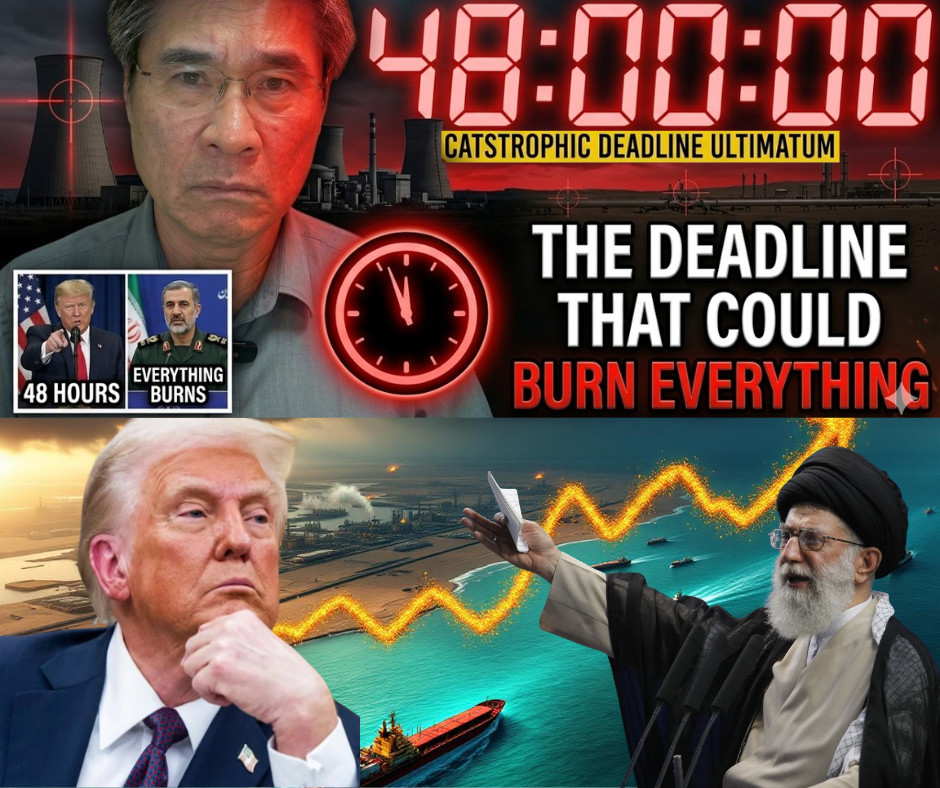
At 11:44 p.m. Saturday, Donald Trump bypassed the Pentagon and took to Truth Social, setting a 48-hour clock that could bankrupt the American taxpayer. If Iranian power plants burn by Monday night, gas prices will shatter historical records, plunging the U.S. economy into a dark, inescapable winter.
The Midnight Ultimatum on Truth Social
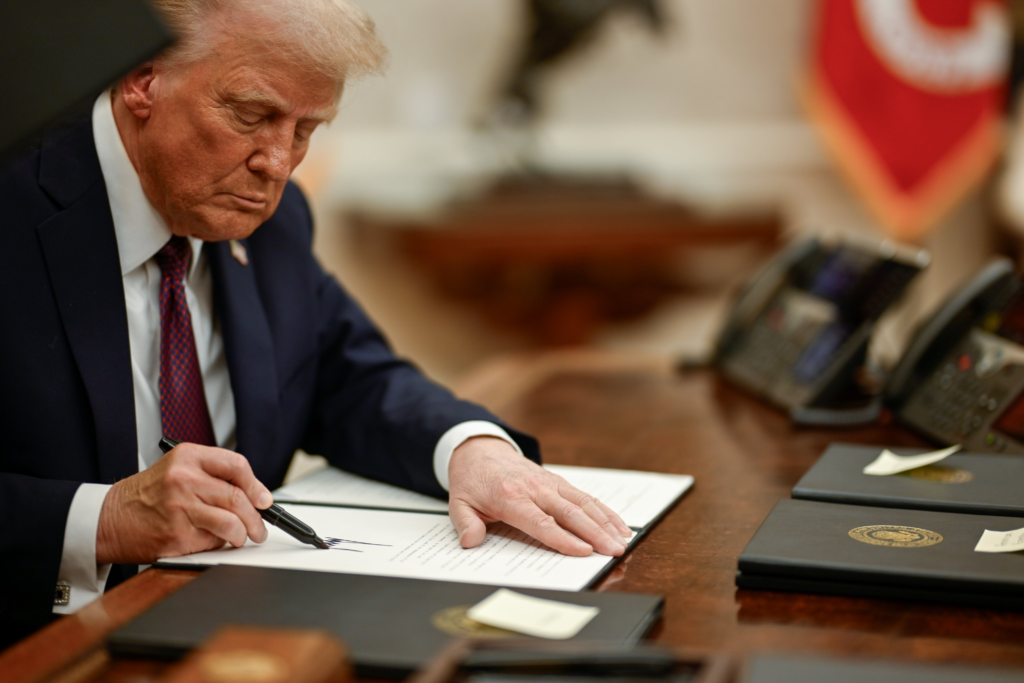
The commander-in-chief’s decree was issued not from the White House briefing room, but from Mar-a-Lago, typed in the capitalization style that signals absolute, non-negotiable intent. Trump demanded Iran fully open the Strait of Hormuz without threat, or the United States military would “hit and obliterate” their power plants, starting with the largest. The deadline is 7:44 p.m. Eastern time on Monday. Yet, this aggressive White House policy shift arrived a mere twenty-four hours after the President claimed the nation was “winding down our great military efforts.” This jarring pivot leaves military commanders scrambling and the American public wondering who is truly steering the ship of state. But what happens when the ticking clock finally hits zero?
A Grid Built for 87 Million
The phrase “power plants” sanitizes the brutal reality of the target list. Iran operates roughly 110 natural gas facilities. The crown jewel is the Damavand combined cycle plant, generating 2,868 megawatts. To put that in perspective for the American taxpayer, Florida’s massive West County Energy Center produces 3,750 megawatts.

Obliterating Damavand does not merely turn off the lights for 87 million Iranians; it terminates the infrastructure of human survival. Water treatment fails, sewage backs up, and hospitals go dark. American constitutional values have long championed liberty and the preservation of civilian life, but obliterating this grid breaches the 1977 protocols of the Geneva Conventions. The reverberating effects would be catastrophic. And Tehran has already promised that if they bleed, our allies will bleed with them.
The Iranian Counter-Strike on the Gulf
Within hours, the Iranian army broadcasted a chilling retaliation through state media. If the United States strikes Iranian energy, Tehran will systematically dismantle the desalination facilities and energy infrastructure of every Gulf state hosting American forces. This is an existential threat. The United Arab Emirates relies on desalination for 42 percent of its freshwater; Saudi Arabia depends on it for 70 percent. Without these facilities, the desert reclaims the cities. Furthermore, Saudi Arabia’s Abqaiq facility processes 7 percent of the global daily oil supply. If these Gulf pipelines burn, the economic shockwave will hit every gas pump in the American heartland. Is the administration prepared to sacrifice the global economy on the altar of a social media ultimatum?
Capitol Hill Reaction and the Partisan Divide
The Capitol Hill reaction has been a volatile mix of hawkish cheerleading and profound dread. Republicans argue that absolute strength is the only language Tehran understands, framing the ultimatum as a necessary defense of global commerce and American supremacy.
Democrats, however, are sounding the alarm over a unilateral escalation that bypasses Congressional oversight and risks dragging the United States into a forever war. The financial stakes for the American taxpayer are apocalyptic. Goldman Sachs projects that in a worst-case scenario, crude oil could rocket to 147.50 USD a barrel. That is no longer a fringe risk; it is the base case if Monday’s deadline expires with fire. American voters must realize they are already grappling with inflation; revealing the true color of a historic energy shock could break the back of the working class. But the true danger lies in the silence from the East.
The Shadow of Beijing and the 2026 Midterms
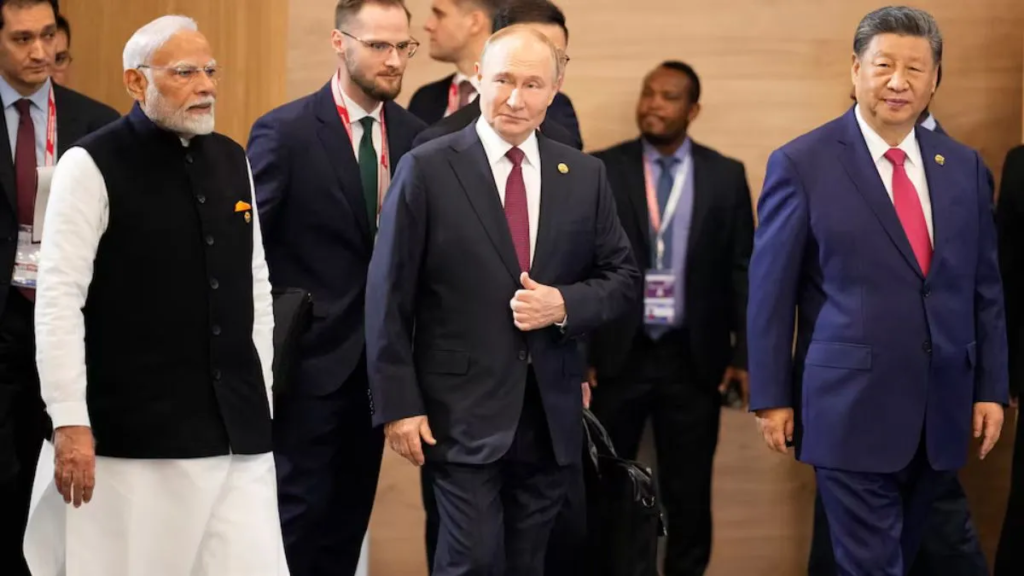
China imports 40 percent of its oil through the Strait of Hormuz. Beijing has watched this 22-day conflict from the sidelines, but a strike that threatens the energy security of a billion Chinese citizens will force their hand. The diplomatic isolation of the United States is already deepening, with Switzerland blocking weapons and NATO distancing itself. Domestically, the political fallout will define the 2026 Midterms. If Trump follows through, the ensuing global recession and Middle Eastern quagmire will be the sole issue on the ballot. If he bluffs and the deadline passes quietly, his red lines become meaningless, signaling to adversaries worldwide that American ultimatums are paper tigers.
The Ticking Clock of American Credibility
The fog of war is thickest at the center of the administration. The U.S. military recently assessed they had severely degraded Iran’s ability to close the strait.
If true, Trump is demanding compliance for a blockade that may no longer exist. Meanwhile, the war is demonstrably escalating, not winding down. Over the weekend, Iranian missiles penetrated Israeli air defenses near the Dimona nuclear research center, injuring 64 people. Simultaneously, a two-stage intercontinental ballistic missile targeted the joint US-UK base at Diego Garcia. The stakes have never been higher, and the illusion of control is rapidly fading.
Monday at 7:44 P.M.
The world is holding its breath for Monday at 7:44 p.m. Eastern time. Will the United States launch a strike that shatters the global order, or will this ultimatum dissolve into the digital ether? The American taxpayer, footing the bill for this sprawling military apparatus, deserves the hard truth. We are miles past the point of political theater. When the clock strikes zero, the future of the republic, and the stability of the free world, hangs entirely in the balance.
Editorial Note: The views and opinions expressed in this article are those of the authors and do not necessarily reflect the official policy or position of any agency or organization. This content is intended to provide diverse perspectives on current events.