
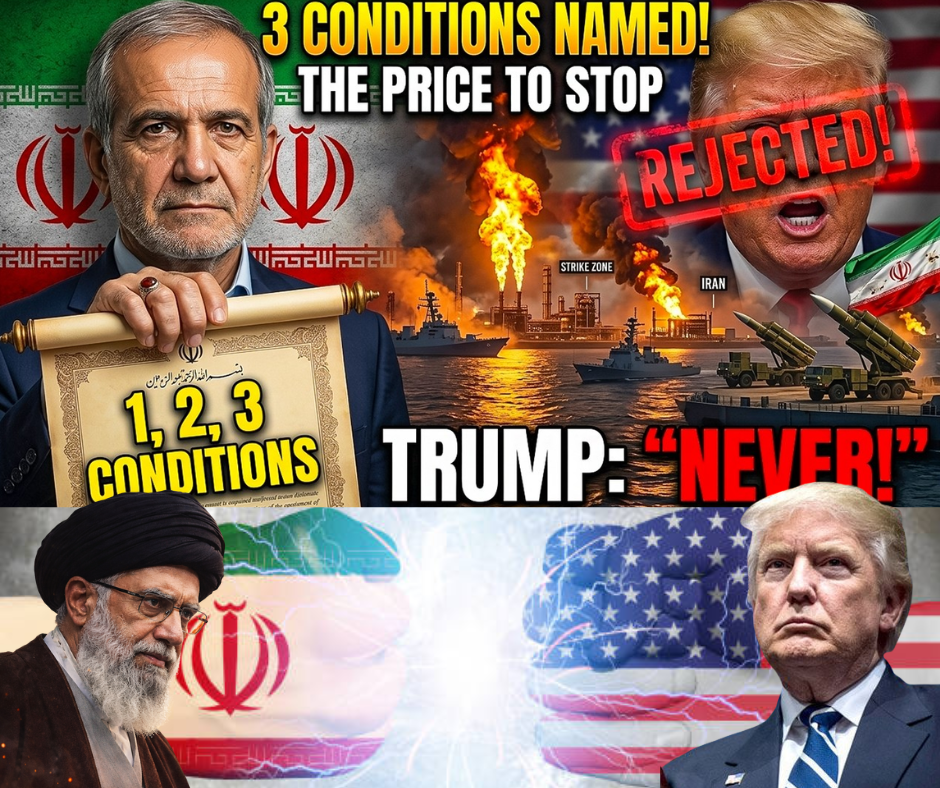
As gas prices surge and the threat of a wider conflict looms, Iran has finally named its price to stop the missiles, and it could cost the American taxpayer billions. With President Trump demanding unconditional surrender, a constitutional showdown over war powers and national wealth is about to detonate.
The Trillion-Dollar Staring Contest
On March 11, 2026, precisely thirteen days into a devastating new Middle East conflict, Iranian President Masud Pezeshkian shattered the diplomatic silence. He did not offer vague platitudes or back-channel whispers. He issued a concrete, three-part ultimatum to halt the missile strikes threatening to engulf the region. Within twenty-four hours, President Donald Trump responded with a fierce directive of his own, authorizing immediate, escalated arms shipments to Israel and demanding absolute, unconditional surrender. The collision of these two unyielding forces has set the stage for a geopolitical earthquake. But what the establishment media is actively ignoring is the catastrophic fine print buried within Tehran’s demands.
A Complete Reset of White House Policy
The first of Pezeshkian’s requirements centers on the recognition of Iran’s “legitimate rights.” In the opaque lexicon of Middle Eastern diplomacy, this is not a mere request for respect. It is a demand for a complete reset of White House policy. Historically, this translates to unrestricted rights to nuclear enrichment, impunity for arming proxy militias, and immunity from preemptive strikes. For decades, the United States has fiercely defended its constitutional mandate to protect American lives and liberty, reserving the sovereign right to neutralize threats before they reach our shores.

Conceding to this demand would mean stripping away the very defensive posture that keeps the homeland secure. Yet, the demand for diplomatic recognition is merely the opening gambit in a much more expensive extortion play.
Footing the Bill on Capitol Hill
The second condition is where the true threat to the American taxpayer emerges: war reparations. Iranian officials claim over 1,300 civilians have been killed and 17,000 injured since the conflict erupted on February 28. With oil refineries, power plants, and communication networks reduced to smoldering craters across multiple provinces, historical precedents suggest Tehran is preparing to demand anywhere from 50 billion to 200 billion USD in compensation. The Capitol Hill reaction to this prospect has been a mixture of outrage and disbelief. Under current US law, not a single cent of American wealth can be legally transferred to a designated state sponsor of terrorism. Bipartisan fury is already brewing, as voters suffering from domestic inflation refuse to watch their hard-earned tax dollars rebuild the very military bases that launched missiles at American allies. The financial shockwave, however, pales in comparison to the geopolitical trap Iran has just laid for the United States Senate.
The Diplomatic Trap and the 2026 Midterms
Tehran’s final demand insists on firm, binding international guarantees against future aggression, explicitly targeting the military maneuvers of both the United States and Israel. Iranian leadership is terrified that any ceasefire will merely serve as a tactical pause for Israel to reload and strike again within months. But delivering a binding guarantee is a structural nightmare. A bilateral agreement holds no weight in Tehran after the 2018 nuclear deal withdrawal, and a formal treaty would require a two-thirds ratification vote. With the 2026 Midterms casting a long, partisan shadow over every legislative move, no lawmaker wants to be branded as the senator who surrendered American military sovereignty to Tehran.
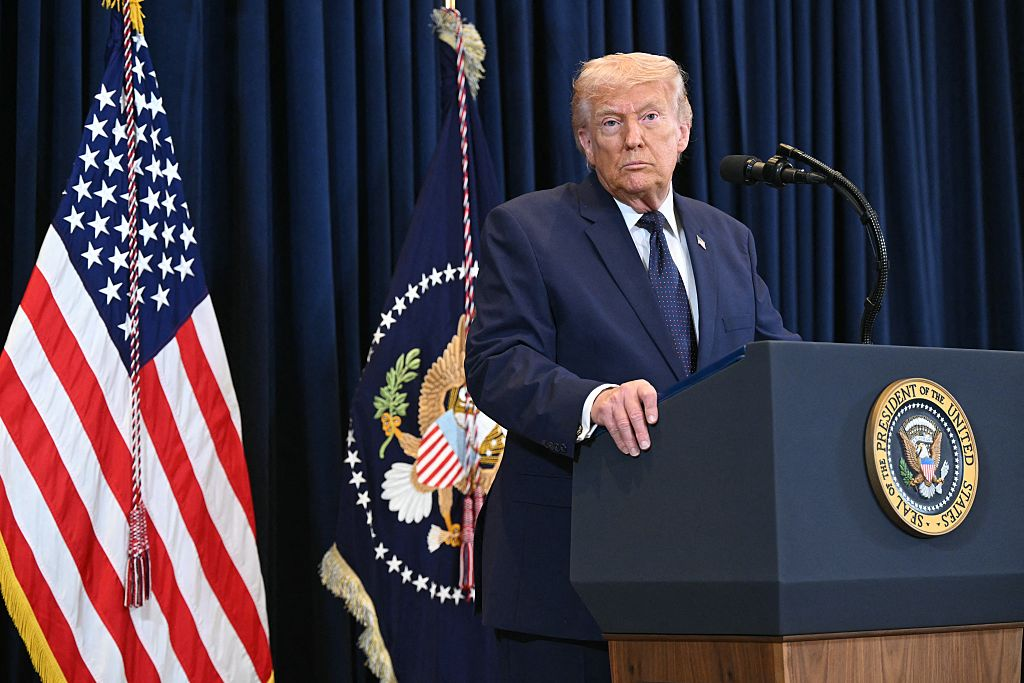
While Washington bickers over impossible treaties and demands for surrender, America’s greatest adversaries are quietly moving in for the kill.
Beijing and Moscow Exploit the Chaos
Behind the veil of public hostilities, Beijing and Moscow are aggressively exploiting the chaos. The Strait of Hormuz is partially blockaded, severely disrupting global oil shipments and sending energy markets into a tailspin. This is a direct assault on the wallet of the American voter. China, desperate to stabilize its own economy, and Russia, eager to keep US military resources diverted away from Ukraine and bogged down in the Middle East, are actively brokering ceasefire proposals. They are positioning themselves as the new power brokers of the region, capitalizing on the ideological clash between the Democratic desire for multilateral diplomacy and the Republican insistence on peace through overwhelming strength. With the American economy bleeding out at the gas pump, the window to prevent a total collapse is rapidly closing.
The Brink of Total Exhaustion
The next two to four weeks will dictate the survival of the current global order. Neither side has signaled even a fraction of a willingness to compromise. Trump’s hardline demand for capitulation fundamentally conflicts with Pezeshkian’s trifecta of recognition, reparations, and guarantees. We are witnessing a high-stakes war of attrition where liberty, transparency, and billions of taxpayer dollars are hanging in the balance. Unless the United States engineers a miraculous diplomatic breakthrough, or Iran’s war machine completely collapses under the weight of sustained bombardment, the missiles will continue to fly. The hard truth is that the American public must brace for a protracted conflict, one that will reshape the map of the Middle East and redefine the limits of American power for a generation.