
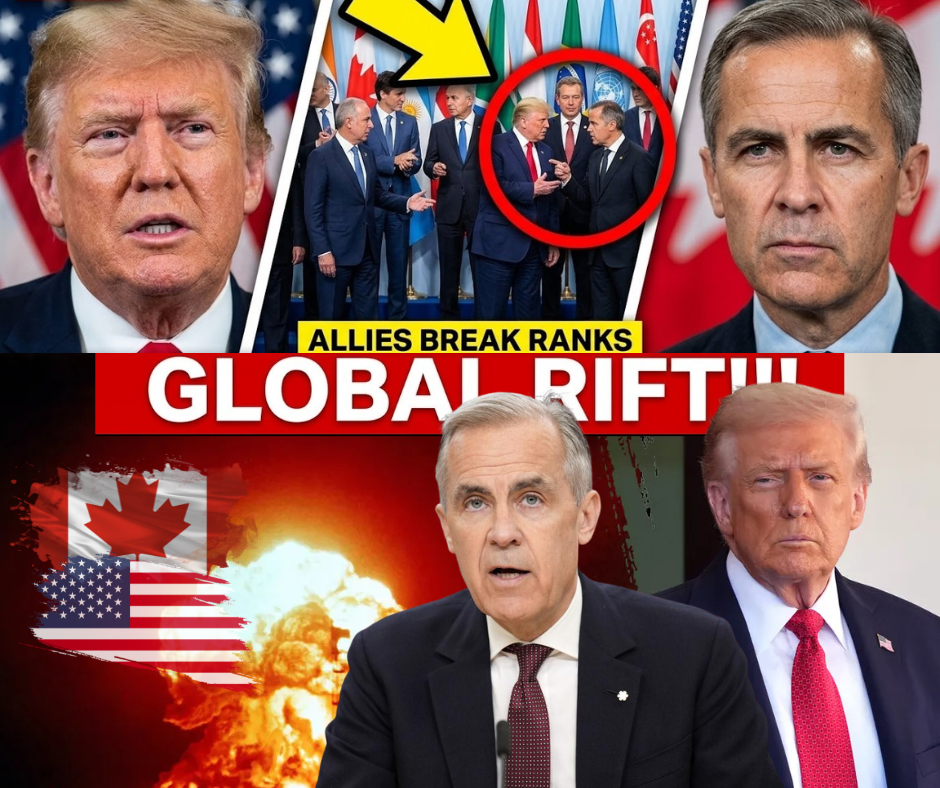
For eighty years, American taxpayers bankrolled the free world, expecting loyalty in return. Today, that investment is evaporating. As allies from Madrid to Ottawa quietly close their doors to Washington, the bill for America’s new isolation is about to hit your wallet just in time for the 2026 Midterms.
The Architecture of Power, Fractured
There is a moment in every alliance when the arm around the shoulder becomes a grip around the throat. In the opening weeks of 2026, the bedrock architecture of American power shifted. It did not happen with a dramatic summit collapse or a fiery declaration of war. It happened with a whisper. Denmark’s military intelligence service—a body built entirely on the assumption of US partnership—quietly added the United States to its list of potential security concerns for the first time in history. These are not rogue states. These are the sovereign nations whose sons bled on the beaches of Normandy alongside our own, bound by a constitutional reverence for liberty. Now, they are simply choosing to walk away. But what happens when the globe’s indispensable nation is suddenly dispensed with?
The Greenland Ultimatum and the European Wall
To understand this seismic rupture, look directly at the new White House policy. The administration operates on a doctrine of pure leverage, where allies are not cultivated but squeezed.

In January, the White House threatened a 10 percent tariff on eight European NATO allies unless Denmark surrendered sovereign control of Greenland. The European response was a unified wall that caught Washington off guard. Seven leaders, backed vocally by Canada, called the bluff, stating categorically that an attack on Greenland would mean the end of NATO. Within days at Davos, the United States backed down. Europe learned a dangerous lesson that week: defying the United States actually works. And that realization is about to trigger a devastating chain reaction thousands of miles away.
Capitol Hill Reaction: A Partisan Chasm
The Capitol Hill reaction has been bitterly divided, reflecting the deep polarization of the American electorate. Republicans argue this friction is a painful but necessary constitutional correction, forcing long-freeloading European nations to finally pay for their own defense rather than bleeding the American taxpayer. They point to the 2026 US National Defense Strategy, which unapologetically prioritizes the homeland, deters China, and demands that Europe manage its own backyard. Democrats, however, warn that burning institutional trust is a catastrophic unforced error, isolating America and rolling out the red carpet for Beijing and Moscow to reshape the global center of power. While politicians bicker over the color of our diplomacy, a real conflict has already shattered the transatlantic alliance.
The Middle East Spark and Spain’s Defiance
In late February, the United States and Israel launched a massive, unilateral military operation aimed at regime change in Iran. Washington expected its European partners to fall in line, as they always had. Instead, France publicly declared the American strikes outside the bounds of international law.
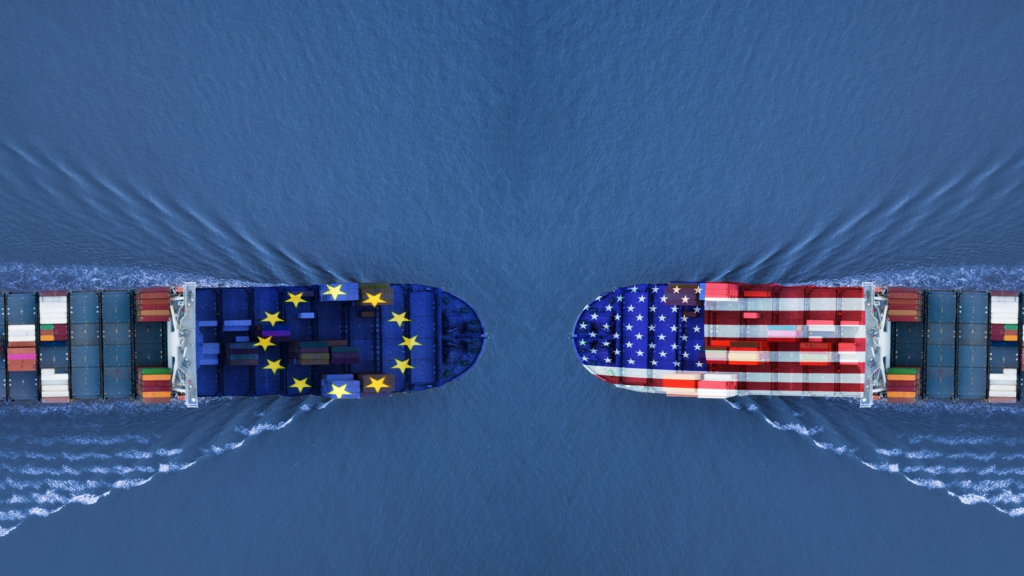
Spain went much further, outright banning US military aircraft from the jointly operated bases at Rota and Andalusia. When the White House threatened a full trade embargo on Spain, Madrid did not blink. A vital strategic foothold, funded by billions of US taxpayer dollars, was suddenly slammed shut. But the threat to American supremacy isn’t just across the Atlantic; it is sitting right on our northern border.
The Canadian Calculus Threatening Main Street
Canada’s response to the current administration is a masterclass in quiet, lethal diversification. Facing threats of 100 percent tariffs over a new trade pact with China, Ottawa did not capitulate. Canada is the top export destination for 36 US states. They supply 60 percent of our crude oil and 85 percent of our electricity imports. Nearly 3.6 billion USD in goods and services cross that northern border every single day. By forcing Canada to look to Beijing to survive economic coercion, Washington is fundamentally jeopardizing the supply chains that keep American factories running. The ripple effects of this fractured relationship are already making their way to your local grocery store.
What This Means for the American Taxpayer
If you are sitting in Ohio, Florida, or Michigan, you might wonder why diplomatic etiquette in South Africa or defense procurement in Germany matters to your family. Here is the hard truth. Germany just allocated a mere 8 percent of its 83 billion USD defense budget to American systems. Denmark chose French-Italian air defense over the American Patriot missile. When allies stop buying American, US defense contractors lose billions, factory lines slow down, and American jobs vanish.
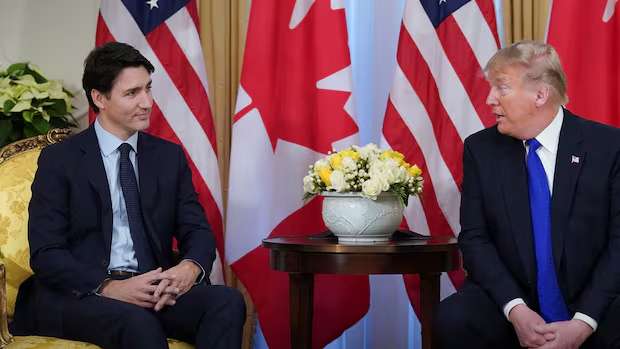
The global economic architecture that keeps your cost of living down is fracturing. A world where America operates entirely alone is a world where everything costs more and achieves less. Yet, the final bill has not yet been tallied.
The 2026 Midterms and the Price of Liberty
As the 2026 Midterms loom, voters face a profound economic and strategic reckoning. The era of automatic American primacy is officially over. Soft power—the magnetism that opens foreign intelligence networks, secures basing rights, and stabilizes the global dominance of the dollar—is evaporating. Hard power remains, but you cannot bully your way to trust. The European Union just issued a 90 billion Euro loan to Ukraine entirely without Washington’s permission, proving they no longer need us to lead. The world is learning to navigate without the United States at the helm. When the empty chair at the global table becomes a permanent address change, American liberty and prosperity will face their greatest test yet.
Editorial Note: The views and opinions expressed in this article are those of the authors and do not necessarily reflect the official policy or position of any agency or organization. This content is intended to provide diverse perspectives on current events.