
America has transitioned from surgical stealth to sheer, unadulterated brute force. Following the decapitation of Iran’s Supreme Leader, a fleet of 74-year-old B-52 bombers is now pulverizing Tehran’s remnants. For the American taxpayer, it is a masterclass in lethal cost-efficiency that could redefine our economy and the ballot box.
From Surgical Stealth to Utter Brute Force
The opening salvos of this conflict were a masterstroke of fifth-generation warfare. U.S. B-2 stealth bombers kicked the doors in, operating alongside Israeli jets to deliver a staggering 1,000 strikes within the first 24 hours. They shattered the regime’s radar networks through aggressive cyber spoofing and executed precise decapitation strikes that eliminated Supreme Leader Ali Khamenei. It was an unprecedented firestorm of surgical efficiency. Now, the airspace is permissive. The invisible scalpels have withdrawn, and White House policy has shifted to delivering sledgehammer blows to the open wounds.
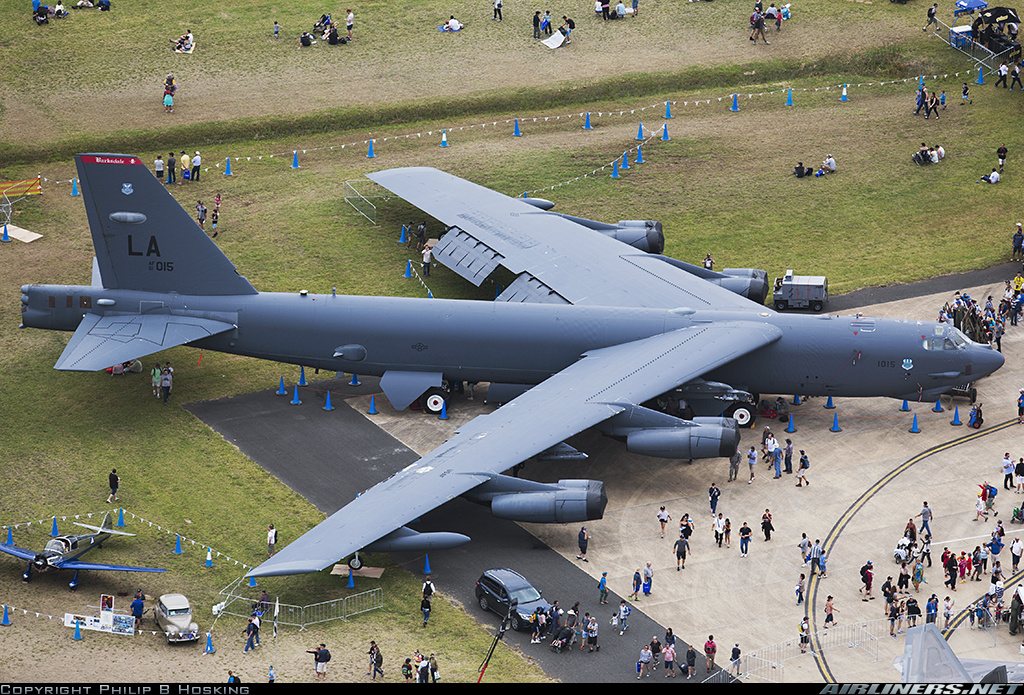
The B-52 Stratofortress has arrived. Packing a monstrous 70,000-pound payload capacity, these massive aircraft are unleashing up to 70 Joint Direct Attack Munitions per run. But the sheer volume of this destruction masks a deeper, almost chilling strategic pivot that few in Washington are willing to openly discuss.
The Financial Genius of the Stratofortress
To understand the sheer brilliance of deploying a non-stealth bomber from the Cold War era, you have to follow the money. As the conflict extends, the American taxpayer is rightly concerned about the bleeding of our national treasury. A single B-2 stealth bomber costs a jaw-dropping two billion USD to build and bleeds the defense budget for 200,000 USD every single hour it remains in the sky. When those initial 30-hour stealth runs took place, the U.S. burned through over six million USD per jet just in operating costs. Enter the B-52. Upgraded under a 48.6 billion USD program to keep them flying until 2060, these heavy hitters cost roughly 70,000 USD per flight hour. That is a fraction of the cost to the American voter. By switching from precision shock-and-awe to sustained, cost-effective bombardment, the administration is signaling a long-haul strategy designed to protect the homeland’s wallet. Yet, as the bombs fall, a fierce debate is quietly brewing in the corridors of power.
Capitol Hill Reaction and the Partisan Divide
The Capitol Hill reaction has been predictably fractured, reflecting the deeply entrenched partisan divide over foreign intervention. Hawks praise the administration’s ruthless efficiency, citing the constitutional mandate to provide for the common defense without bankrupting the republic. Conversely, skeptics on both sides of the aisle are raising alarms over the expanding scope of the war.

They see the sinking of the IRIS Dena off the southern coast of Sri Lanka as proof that this conflict is bleeding into international waters, far beyond the Persian Gulf. With over 2,000 targets annihilated in just 72 hours and an estimated 1,000 Islamic Revolutionary Guard Corps members dead, the scale of the carnage is undeniable. Lawmakers are demanding transparency, acutely aware that the political fallout will inevitably shape the landscape for the upcoming elections. But the administration’s focus remains locked on neutralizing the single greatest threat left in the Middle East.
Crippling the Theocracy’s Missile Shield
Iran’s ultimate insurance policy has always been its massive stockpile of ballistic missiles, estimated by U.S. Central Command at over 3,000 units prior to the conflict. The B-52s are currently systematically erasing the command and control nodes required to launch them. Armed with Joint Air-to-Surface Standoff Missiles capable of striking from 575 miles away, American pilots are safely dismantling the regime’s infrastructure while staying well outside the reach of Tehran’s reverse-engineered, Chinese and Russian knock-off air defenses. The results are undeniable. General Dan Kaney confirmed at the Pentagon that Iran’s theater ballistic missile launches have plummeted by a staggering 86 percent, with one-way drone attacks down by 73 percent. The theocracy is being defanged in real-time. However, the total collapse of Iran’s defensive grid opens the door to a terrifying new phase of warfare that could alter American lives forever.
The 2026 Midterms and the Price of Liberty
President Donald Trump has openly projected a four to five-week timeline, but military planners are bracing for much longer. As the 2026 Midterms loom on the horizon, the American voter must weigh the price of global stability against the cost of constitutional liberty at home.
The total air superiority achieved by the U.S. signals absolute confidence, but the lack of an organic Iranian uprising presents a grim reality. Think tanks like Chatham House note the absence of domestic defections, suggesting the Iranian populace lacks the strength to topple the IRGC alone.
Boots on the Ground and the Global Chessboard
This brings the American public face-to-face with the ultimate question: Will U.S. boots hit the ground in Tehran? Phase one was the surgery; phase two is the B-52 sledgehammer. Phase three might demand the blood of American soldiers to ensure the regime is permanently dismantled. The geopolitical stakes could not be higher. If the Iranian regime falls, Vladimir Putin loses his most vital strategic ally, dealing a catastrophic blow to Russia’s global ambitions. The B-52s are not just dropping bombs; they are rewriting the world order, and the American taxpayer is footing the bill for the hard truth of freedom.
Editorial Note: The views and opinions expressed in this article are those of the authors and do not necessarily reflect the official policy or position of any agency or organization. This content is intended to provide diverse perspectives on current events.