
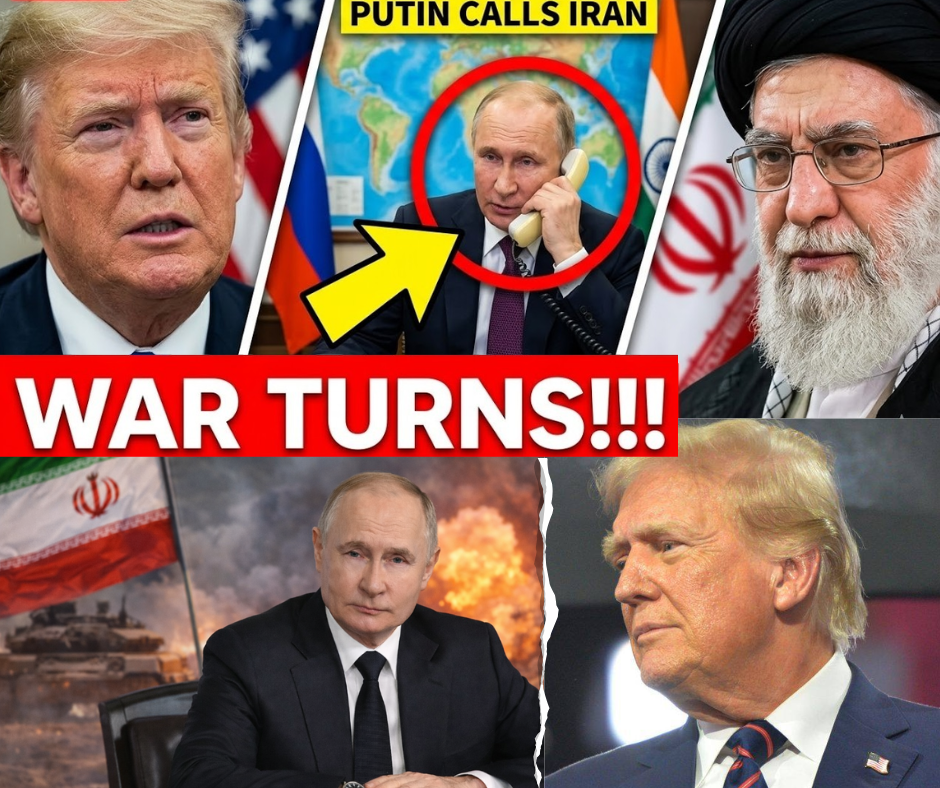
Seven American heroes are coming home in flag-draped caskets, $5 billion in taxpayer wealth vanished in 48 hours, and $5-a-gallon gas is about to crush the middle class. Washington’s promised “short excursion” in Iran has violently unraveled, forcing the White House into a desperate gamble.
The Mirage of a Quick Victory
On February 28, 2026, the United States and Israel unleashed Operation Epic Fury. It was a shock-and-awe campaign designed to decapitate the Iranian regime, restore deterrence, and project American constitutional strength across the globe. Nearly 900 strikes rained down in 12 hours, utilizing B-2 stealth bombers and Tomahawk missiles to eliminate Supreme Leader Ali Khamenei. The White House policy was built on a dangerously optimistic theory: cut off the head, and the regime collapses. The administration promised the American taxpayer a swift, surgical triumph that would secure liberty in the region and keep global markets stable. But as the smoke cleared over Tehran, the architects of this war realized they had fundamentally miscalculated the enemy’s next move.

The Economic Chokehold on Main Street
Iran did not wait to be liberated. Instead, it weaponized the global economy. By closing the Strait of Hormuz—a 21-mile-wide choke point handling 20 million barrels of daily crude—Tehran launched a direct assault on the American working class. Ship transits plummeted by a staggering 95 percent. West Texas Intermediate, the US benchmark, soared 40 percent in a single week. For the American voter, this is not a distant geopolitical skirmish; it is a financial catastrophe. Gas prices have already spiked 17 percent, and analysts warn that $5-a-gallon diesel will soon ravage supply chains from Ohio to Texas. The true casualty of this conflict was never going to be isolated to the Persian Gulf; it was quietly targeting the wallet of every American voter.
A Desperate Line to Moscow
As the crisis deepened, the administration panicked. Just ten days into a war that was supposed to be over, the White House placed an urgent call to the Kremlin. Donald Trump, a President facing a rapidly deteriorating global posture, sought out Vladimir Putin. This was not a routine diplomatic check-in. It was a distress signal. Seven American service members were dead, the G7 was scrambling to release emergency oil reserves, and Washington needed a way out. Putin, sitting comfortably in Moscow, suddenly found himself elevated from a sanctioned pariah to the indispensable middleman of the Middle East. What transpired on that encrypted line was not routine diplomacy, but a staggering concession that reshapes the global order.
Trading Kyiv for Tehran
The Kremlin’s readout of the call was a masterclass in quiet dominance. Yuri Ushakov, Putin’s foreign policy adviser, noted that the Russian leader offered “practical” proposals to end the conflict.
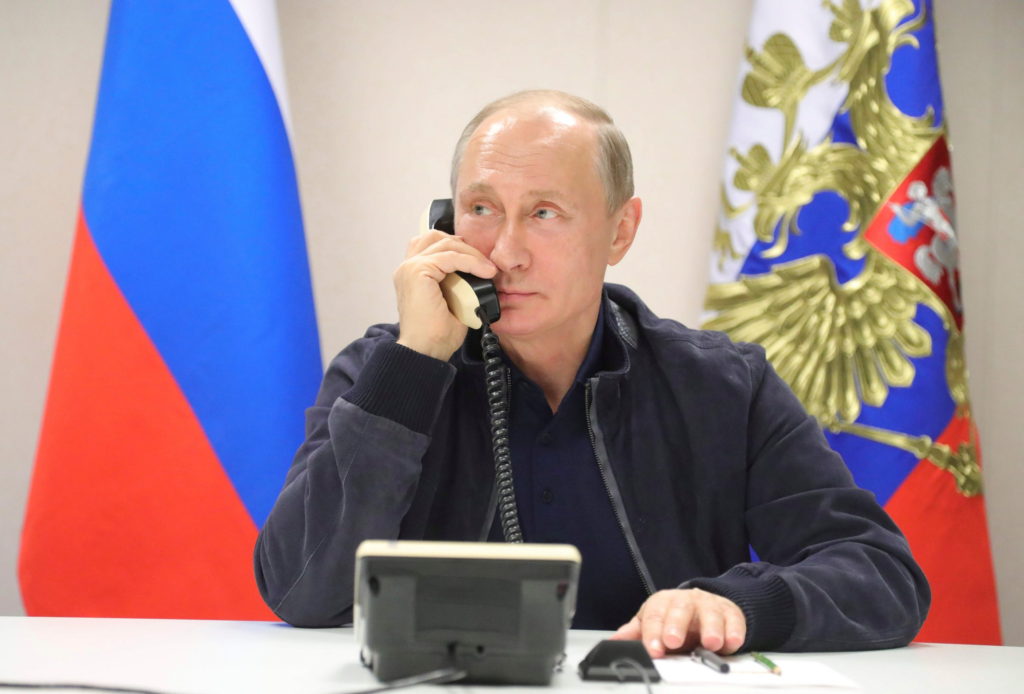
But the true cost of this Russian lifeline was revealed by the American President himself. When asked about Putin’s willingness to help, Trump publicly dangled the end of the Ukraine war as a bargaining chip. Washington is no longer demanding concessions; it is asking for favors. To secure an exit from the Iranian quagmire and save his political future, the Commander-in-Chief is signaling a willingness to negotiate away Eastern Europe. While the administration spun a tale of strength, the underlying truth revealed a superpower begging for an exit strategy.
Capitol Hill Reaction and Partisan Fractures
The fallout in Washington has been explosive. The Capitol Hill reaction reveals a deeply divided government incapable of managing a multi-front crisis. Democrats are weaponizing the chaos, accusing the administration of bypassing congressional oversight and dragging the nation into an unconstitutional forever war. Republicans, meanwhile, are caught in a brutal bind. They must defend a Commander-in-Chief who promised peace through strength, while simultaneously terrified of facing voters in the 2026 Midterms with gasoline at $5 a gallon and American troops under constant fire. The cracks in the official narrative are widening, exposing a deeply fractured administration that cannot agree if the war is ending or just beginning.
The True Cost of “Epic Fury”
The administration’s messaging is in freefall. Last Monday, the President declared the war almost over. In the very same breath, Defense Secretary Pete Hegseth warned the campaign was “just beginning.” Both cannot be true. The Pentagon burned through $5 billion in munitions in just two days, yet the administration now refuses to provide updated costs to Congress.
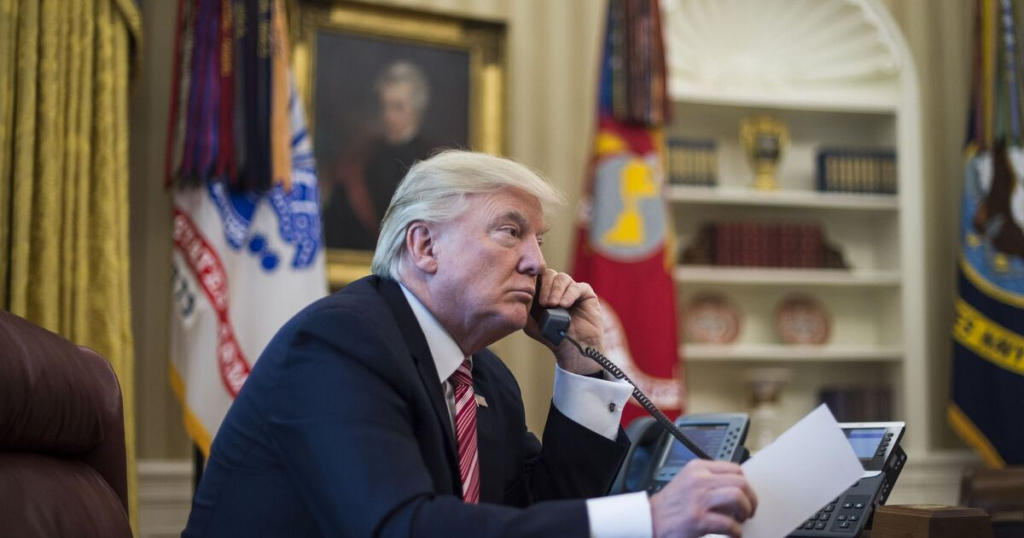
Iran has absorbed the blow, installed a hardline new Supreme Leader, and shifted to a strategy of deliberate missile conservation. They are bleeding the clock, fully aware that American political patience is finite. As the bodies return and the oil markets burn, the American people are left staring at a chilling new reality.
An Off-Ramp Disguised as Triumph
We are witnessing the real-time construction of a diplomatic illusion. The White House desperately needs an exit before the 2026 Midterms are entirely consumed by inflation and flag-draped caskets. Watch closely in the coming days: Washington will likely declare that Iran’s nuclear capabilities are degraded and its military shattered, framing an incomplete mission as a historic victory. But the undeniable truth remains. Iran is battered but unbroken, the American taxpayer is footing a catastrophic bill, and Vladimir Putin holds the geopolitical blueprints. The United States launched a war to project undeniable supremacy, but ultimately handed its greatest adversaries the leverage to dictate the terms of peace.
Editorial Note: The views and opinions expressed in this article are those of the authors and do not necessarily reflect the official policy or position of any agency or organization. This content is intended to provide diverse perspectives on current events.