
The greatest defense shield in human history is cracking, and American taxpayers are squarely in the crosshairs. While Washington bickers, a multi-billion-dollar standoff with Canada over fighter jets threatens to leave the US homeland exposed to foreign missiles just months before the 2026 Midterms.
A Cold War Pact on the Brink of Collapse
Since 1958, the North American Aerospace Defense Command has stood as the ultimate sentinel against foreign aggression. NORAD was forged in the terrifying crucible of the Cold War, built on the absolute certainty that the United States and Canada must guard the Arctic front door together. For nearly seven decades, this joint command—led by an American four-star general with a Canadian deputy—has operated seamlessly. It is a partnership rooted in shared constitutional values, a mutual love for liberty, and the geographic reality that our nations share the most critical airspace on earth. But today, that sacred trust is evaporating. American voters, who have poured countless billions into securing our skies, are now witnessing a diplomatic meltdown that threatens to shatter the very foundation of our continental security.
The 88-Jet Ultimatum and White House Policy
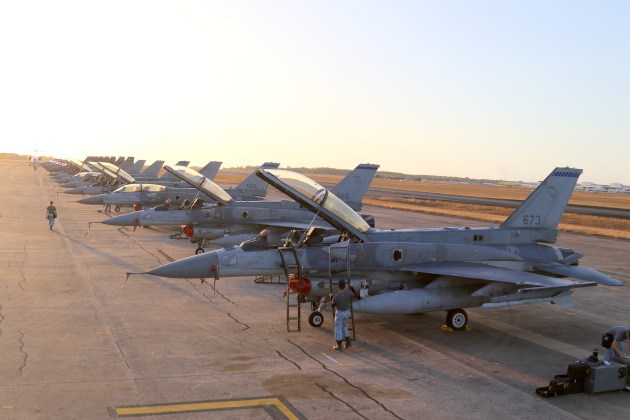
The crisis detonated over a seemingly straightforward procurement deal. Canada originally agreed to purchase 88 American-built F-35 Lightning II fighters from Lockheed Martin, a massive win for US defense contractors and the American economy. However, under the newly elected government of Prime Minister Mark Carney, Ottawa has suddenly blinked. Facing a bruising trade war and rising anti-American sentiment, Canada is flirting with a Swedish alternative: the Saab Gripen. Saab is dangling the creation of 12,600 Canadian jobs and total sovereign control over their aircraft. In response, the Trump administration unleashed a staggering diplomatic broadside. US Ambassador Pete Hoekstra effectively issued an ultimatum, warning that if Canada chooses an inferior product, Washington will unilaterally alter NORAD and routinely fly American jets over Canadian soil to cover the gaps. But what sounds like a simple dispute over military hardware is actually masking a much darker vulnerability for the American homeland.
Capitol Hill Reaction and the Partisan Divide
The Capitol Hill reaction has been explosive, tearing along predictable partisan lines as the 2026 Midterms loom. Republicans are fiercely defending the aggressive White House policy, arguing that hardworking American taxpayers can no longer subsidize the defense of wealthy neighbors who refuse to meet NATO’s two percent GDP spending targets. They view the administration’s hardline transactionalism as a necessary shock to a complacent ally. Conversely, Democrats are sounding the alarm, warning that bullying our closest neighbor fundamentally degrades shared deterrence. When Washington and Ottawa scream at each other in public, Beijing and Moscow take quiet, calculated notes.
The Golden Dome’s Massive Northern Blind Spot
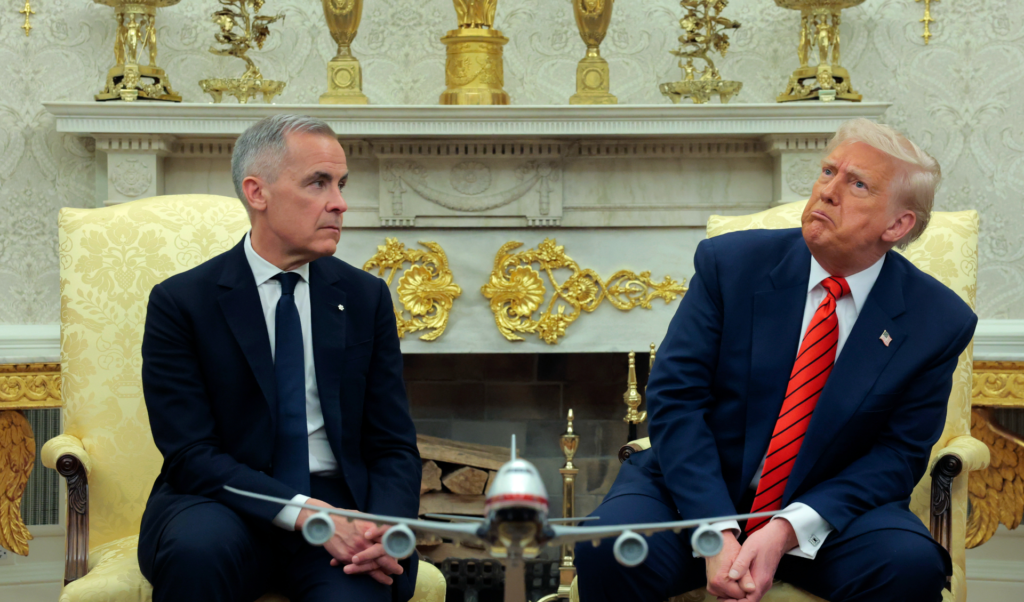
This fighter jet feud is colliding disastrously with the crown jewel of America’s future defense: the Golden Dome. This ambitious new ballistic missile shield is designed to protect American cities from advanced foreign strikes. But there is a fatal catch. As former NORAD commander General Glen VanHerck bluntly admitted, Canada’s greatest asset is its terrain. The shortest route for a nuclear payload from Russia or China to the continental United States runs straight over the North Pole and through Canadian airspace. Without Canadian radar and sensor cooperation, the Golden Dome has a catastrophic blind spot. Washington assumed Ottawa would simply fall in line, but a stunning rebellion is brewing just miles across our northern border.
Rising Nationalism and the Cost to American Voters
Canada is holding the geographical cards, and they are refusing to fold. Ottawa has explicitly stated it will only participate in the Golden Dome if the terms are fair, weaponizing their leverage against American tariff threats. This defiance is wildly popular in Canada, where roughly seven in ten citizens now harbor deep reservations about an all-F-35 fleet. The blunt warning from the Oval Office—that failing to buy American means losing American protection—has backfired, sparking a fierce wave of Canadian nationalism. For the American taxpayer, this is a financial ticking time bomb. If Canada bails on the F-35, the economies of scale shrink, potentially driving up the per-unit cost of the aircraft for the US military and bleeding American citizens dry.
Global Shockwaves and the Danish Warning
This is not an isolated North American squabble. The fracture lines are spreading far beyond our borders, and the next move from the Oval Office could permanently alter global security. Denmark, a critical NATO ally that previously purchased F-35s to deploy in Greenland, is now publicly expressing buyer’s remorse. The head of the Danish Parliament’s defense committee recently issued a chilling warning to Ottawa, urging them to choose another jet to avoid being locked into American supply chains. When trusted allies start viewing American military hardware as a trap rather than a shield, the fundamental architecture of Western liberty is in severe jeopardy.
Interoperability Nightmare for the US Military
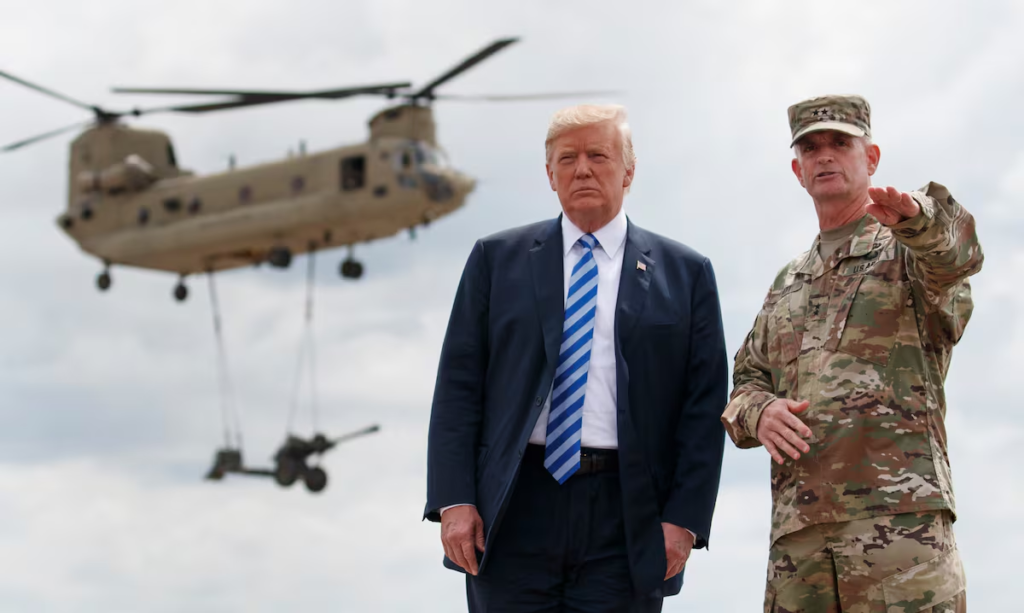
If Canada actually pulls the trigger on the Swedish Gripen, the logistical nightmare for the US military will be unprecedented. The Gripen and the F-35 utilize entirely different data links, communication nodes, and maintenance protocols. Running a mixed or incompatible fleet across the world’s largest airspace would require a total rewiring of NORAD. Military analysts are already questioning if Washington would even permit the Gripen to integrate into highly classified US defense networks. Canada has pledged 28.3 billion USD to modernize NORAD by 2029, but all that capital is useless if our planes cannot talk to each other in the heat of a crisis.
The Ultimate Price of Liberty and Defense
We are witnessing a profound renegotiation of North American sovereignty. Canada was pushed into a corner by economic tariffs and an American diplomatic corps treating Ottawa like a vassal state rather than a sovereign partner. As March 8th, 2026, unfolds, the stakes transcend a mere defense contract. This is about the hard truth of American foreign policy and the cost of maintaining the empire of liberty. Will the United States and Canada find a way to forge an equal partnership, or are we watching the fatal fracture of a century-old alliance? The security of the American republic hangs in the balance, and the clock is relentlessly ticking.
Editorial Note: The views and opinions expressed in this article are those of the authors and do not necessarily reflect the official policy or position of any agency or organization. This content is intended to provide diverse perspectives on current events.