

Washington just bullied General Motors into the most disastrous retreat in corporate history, and the American taxpayer is about to foot the bill. A White House policy meant to bring jobs home just surrendered the global critical mineral supply chain to our foreign rivals. Here is the hard truth.
The Illusion of Strategic Repatriation
General Motors did not shutter its Canadian operations because the plants were failing. The Oshawa assembly complex, a sprawling facility that has pumped out vehicles for nearly a century, was the economic heartbeat of an entire city. The St. Catherine’s powertrain facility won internal quality awards year after year. Yet, in a blink, 11,000 workers were told their livelihoods were gone. The corporate brass masked the bloodbath in sterile boardroom jargon, calling it “strategic portfolio optimization.” But make no mistake, this was a political execution. The administration explicitly communicated that keeping production just a few hundred miles north of the border would lock GM out of federal contracts and EV incentives. It was a raw exercise of executive power, a geographic mandate completely detached from free-market principles. But Washington’s aggressive arm-twisting is about to backfire on the very working-class Americans it promised to protect.
A Century of Shared Commerce, Severed
To understand the gravity of this collapse, you have to look at the history. During the darkest days of the 2008 financial crisis, when the American auto industry was staring into the abyss of total liquidation, Canadian taxpayers stepped up alongside our own.
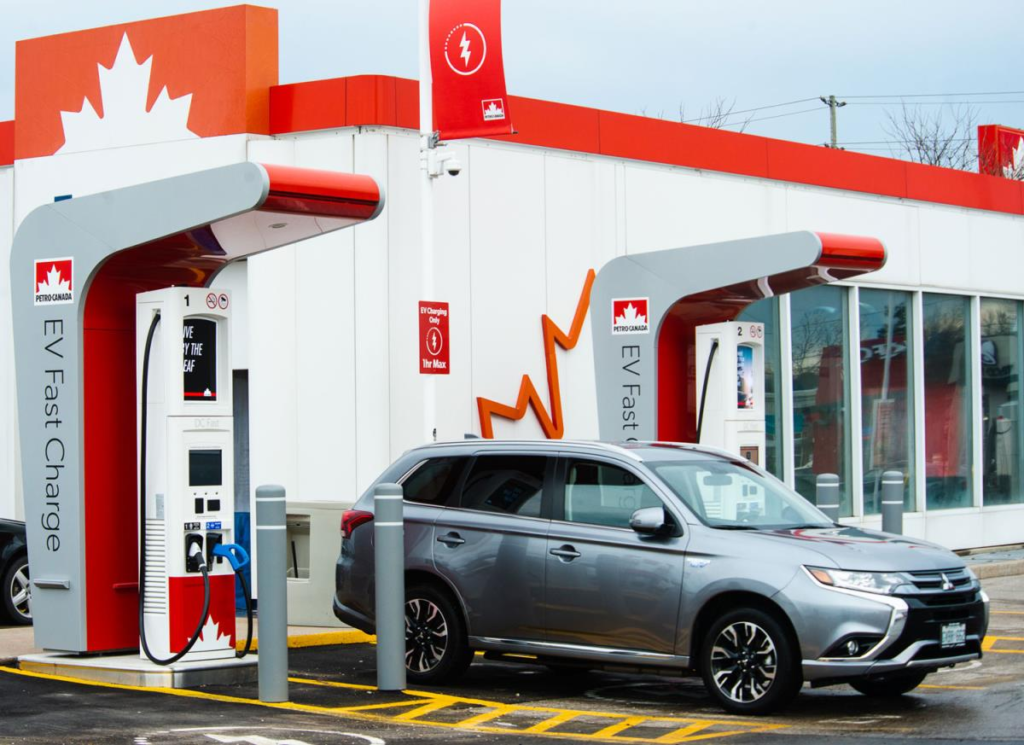
They pumped billions into saving General Motors. Our economies have long relied on a seamless, constitutionally respectful cross-border trade framework. Now, 17 years later, the company they saved has slammed the door on the way out. This unilateral exit, timed perfectly with escalated White House tariff threats, completely ignored the intricate realities of the global supply chain. The administration thought they were playing three-dimensional chess, bringing manufacturing back to the Rust Belt by force. Instead, they just handed the board to our fiercest global competitors.
Capitol Hill Reaction and the Partisan Divide
The Capitol Hill reaction has been a predictable theater of partisan warfare. Republican hardliners are taking victory laps, framing GM’s exit as a triumph of economic nationalism and a win for the domestic American worker. Meanwhile, Democratic leadership is sounding the alarm on the catastrophic environmental and economic fallout, arguing that alienating our closest ally undermines our transition to green energy. But both sides are missing the forest for the trees. The real story isn’t about the 11,000 jobs leaving Ontario; it is about the raw materials required to power the next century of American innovation. Washington just forced a cornerstone of American industry to abandon the very ground that holds its future. And the consequences for the everyday American consumer will be immediate and devastating.
The Multi-Billion-Dollar Northern Retaliation
Within 72 hours of GM’s announcement, Ottawa struck back with lethal precision. Former Bank of England Governor Mark Carney unveiled the Canadian Automotive Sovereignty Initiative, an $8.8 billion USD masterstroke designed to replace GM with a globally partnered EV ecosystem. Volkswagen, Toyota, Hyundai, Honda, and BMW are already moving in to claim the exact factory sites GM abandoned. But the true kill shot is Canada’s new critical mineral export responsibility framework.
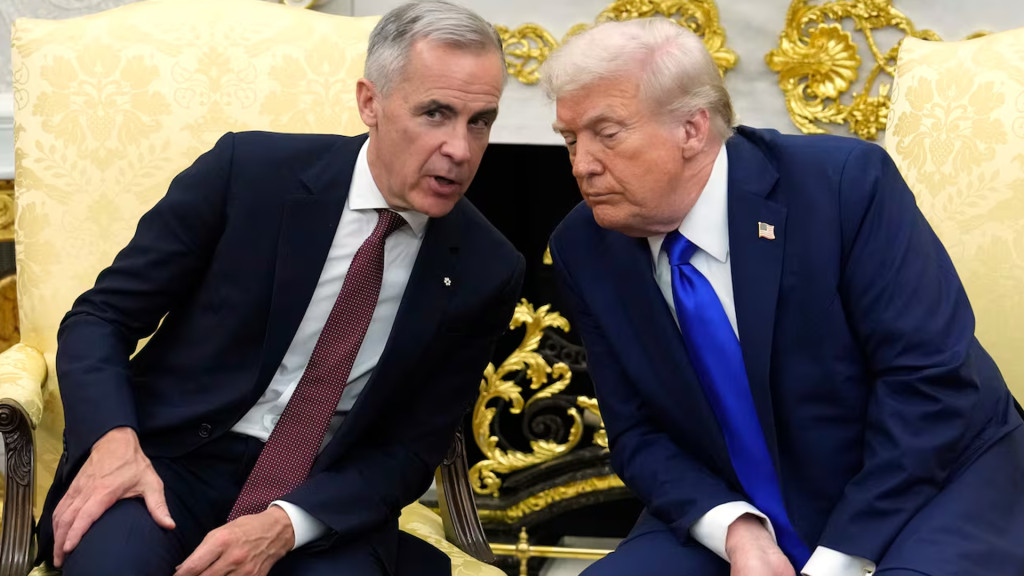
This regulatory weapon conditions the export of Canadian nickel, cobalt, and lithium on a manufacturer’s commitment to maintaining Canadian production. GM just fell into the restricted category, facing massive export restrictions and premium pricing surcharges of up to 30 percent. Warren Buffett called it the most expensive exit in corporate history, and he is right. GM brought the jobs home, but they left the minerals behind.
The Taxpayer Toll and the 2026 Midterms
What does this mean for the American taxpayer? It means the cost of every General Motors electric vehicle is about to skyrocket. GM’s entire EV roadmap depends on securing stable, long-term, competitively priced battery minerals. Canada controls massive reserves of exactly the rock GM needs. Now, that rock is 30 percent more expensive for GM, and 30 percent cheaper for every foreign competitor that had the sense to stay. In five years, Toyota and BMW will produce electric vehicles with structurally lower battery costs than Detroit can ever achieve. As we approach the 2026 Midterms, this supply chain disaster will become a massive political liability. Voters were promised a revitalized domestic auto industry; instead, they will be forced to subsidize a crippled American giant that cannot compete on price. The political risk of staying in Canada was an uncomfortable conversation with the President; the supply chain risk of leaving is competitive extinction.
A Constitutional Question of Coercion
This saga raises a fundamental question about American liberty and government overreach. Since when does the federal government dictate the exact geographic footprint of a private enterprise under the threat of regulatory retaliation? The foundation of our Republic is built on free enterprise, not state-directed industrial policy. By weaponizing federal EV incentives and government contracts to force GM’s hand, the administration engaged in a level of corporate coercion that should terrify any advocate of the free market. Mark Carney stood on the floor of the shuttered Oshawa plant and declared to the displaced workers, “They closed a factory. We’re going to build an industry.” Canada is now building a vertically integrated, multi-manufacturer ecosystem immune to American political whims. The White House tried to take jobs from Canada. Instead, they took GM’s future, mortgaged the American taxpayer, and proved that when politics dictates business, liberty and prosperity are always the first casualties.