
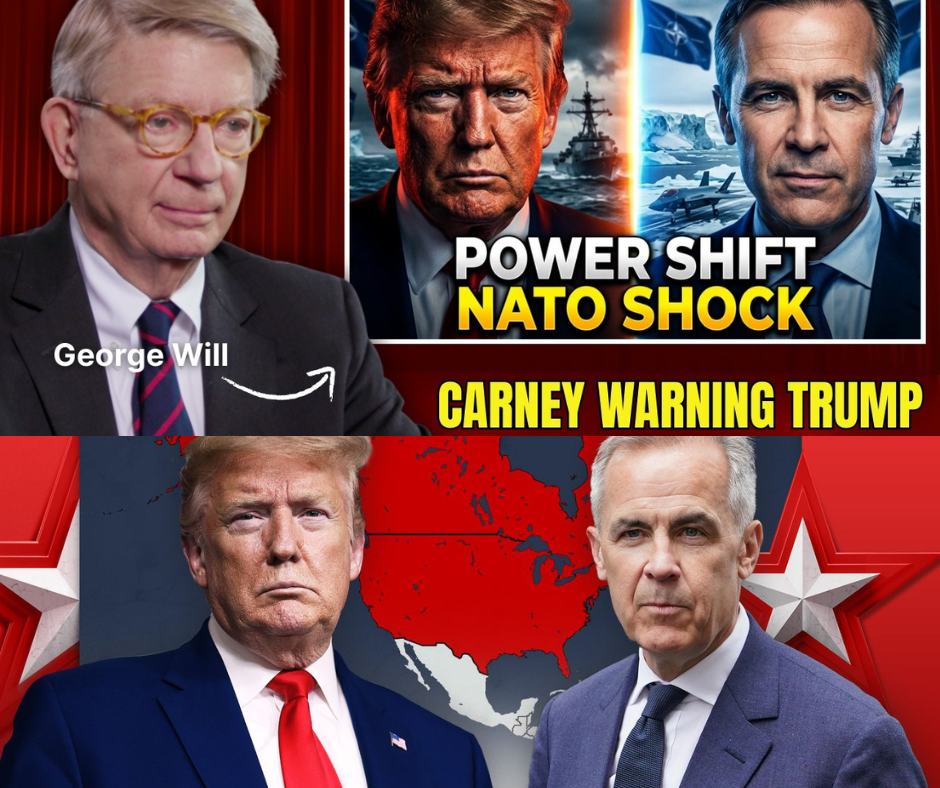
While Washington bickers, our closest allies just quietly seized control of the Arctic. Canada’s shocking 40 billion USD military pivot signals a brutal new reality: the world is moving on without the United States. For the American taxpayer, the price of losing our strategic backyard is about to skyrocket.
A Frozen Fracture in the Western Alliance
Just minutes ago, inside a packed NATO press room in Norway, a single, uncomfortably quiet moment exposed a massive fracture at the heart of the free world. Tens of thousands of troops were conducting joint exercises in the freezing high north, a region rapidly becoming the center of global competition for critical minerals and newly opened shipping routes. When Canadian Prime Minister Mark Carney was asked if the United States could still be trusted with Arctic security, his hesitation spoke volumes. He began with a diplomatic confirmation, but quickly dismantled decades of American-led security architecture. But what happened next in that freezing Norwegian press room should send a shiver down the spine of every national security official in Washington.
The $40 Billion Wake-Up Call for Capitol Hill
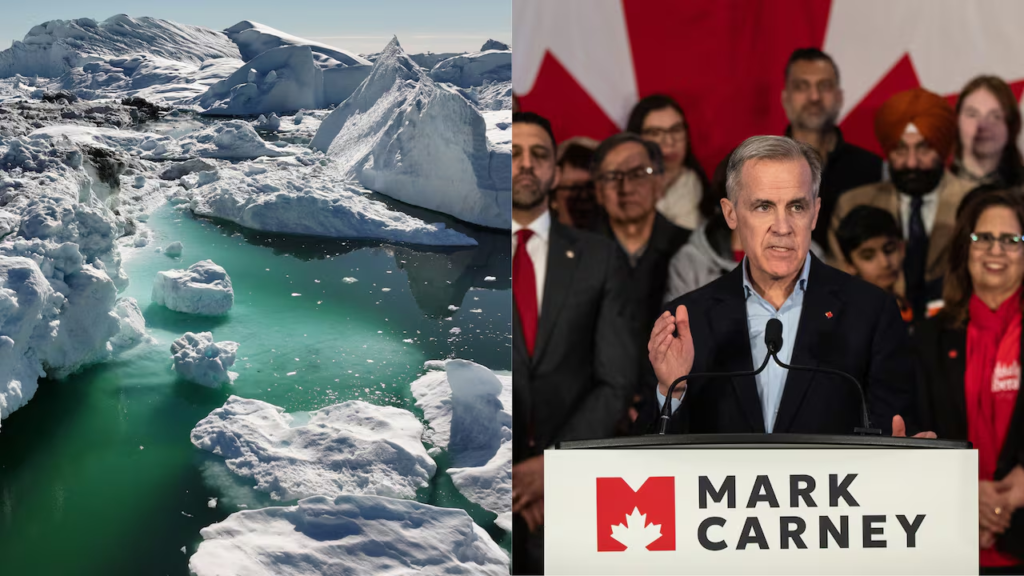
Carney did not just offer political rhetoric; he delivered a staggering financial ultimatum. Canada is injecting a massive 40 billion USD into a year-round military and surveillance presence across land, sea, and air. We are talking about deep-water ports, advanced airfields, and communication systems spanning thousands of miles of ice and tundra. For generations, the joint North American Aerospace Defense Command (NORAD) secured our shared borders, allowing the US to project power while Canada rested comfortably under our military umbrella. Now, Ottawa is building its own shield. They are preparing for a future where trust in Washington is no longer enough. Yet, beneath the diplomatic veneer, a far more dangerous game was being played, one that leaves the United States dangerously exposed.
Bypassing the American Umbrella
This quiet rebellion is not happening in isolation. Canada stood shoulder-to-shoulder with Norway and Germany—European heavyweights effectively forging a shadow coalition within NATO. This is military alignment without American permission. They are pooling intelligence and coordinating defense to ensure no single partner, namely the United States, is indispensable. As Russia expands its icebreaker fleets and China aggressively brands itself a “near-Arctic state,” our traditional allies are deciding that hedging their bets is safer than relying solely on the bedrock of American constitutional strength and military might. And as the ice melts, so does the absolute supremacy of the American superpower.
Trump’s Transactional Doctrine vs. Democratic Globalism
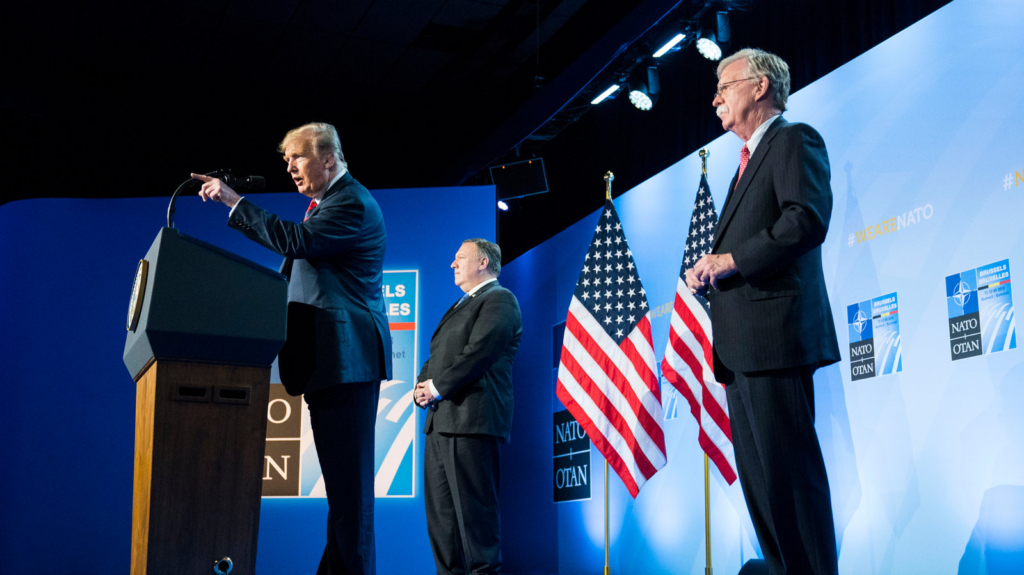
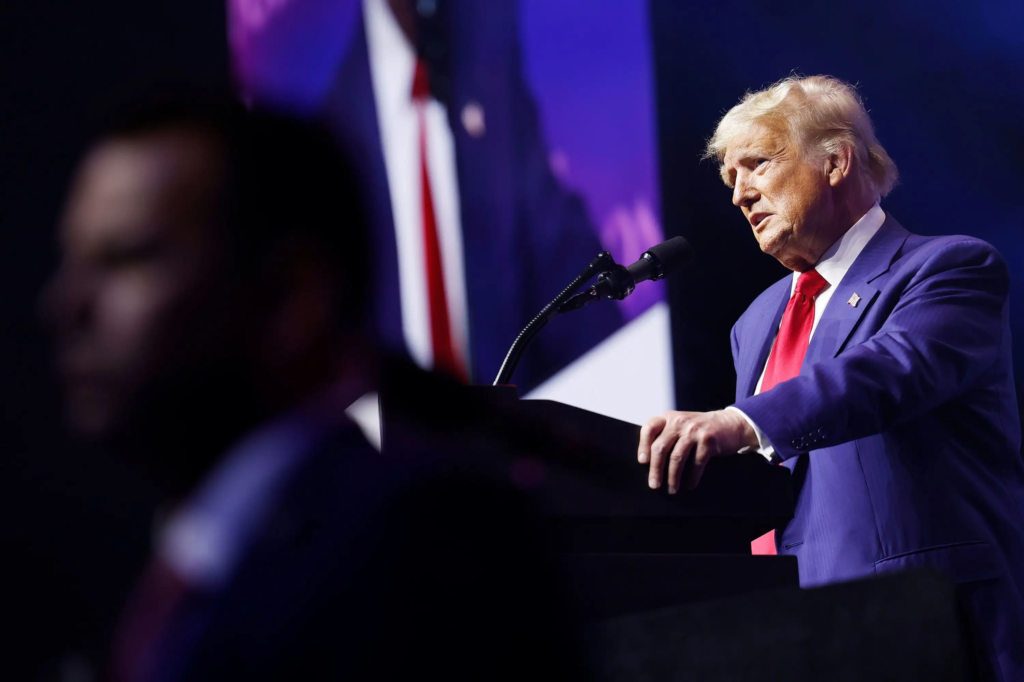
This seismic geopolitical shift is the direct collision of two fiercely opposed American political philosophies. On the right, Donald Trump’s transactional approach to NATO shattered the illusion of a free ride for our allies. His demand that member states pay their fair share, coupled with his audacious proposal to purchase Greenland, shocked the diplomatic establishment but resonated with millions of Americans tired of footing the bill for global defense. Republicans argue this forced Canada’s hand, finally making them pay to secure their own borders. Conversely, the Democratic establishment views this as an unmitigated disaster for White House policy. They argue that transactional diplomacy alienates allies and destroys the sacred trust that has kept America safe since World War II. The real threat, however, isn’t just foreign competition; it is what this means for the wallets of everyday Americans.
The Greenland Factor and America’s Constitutional Core
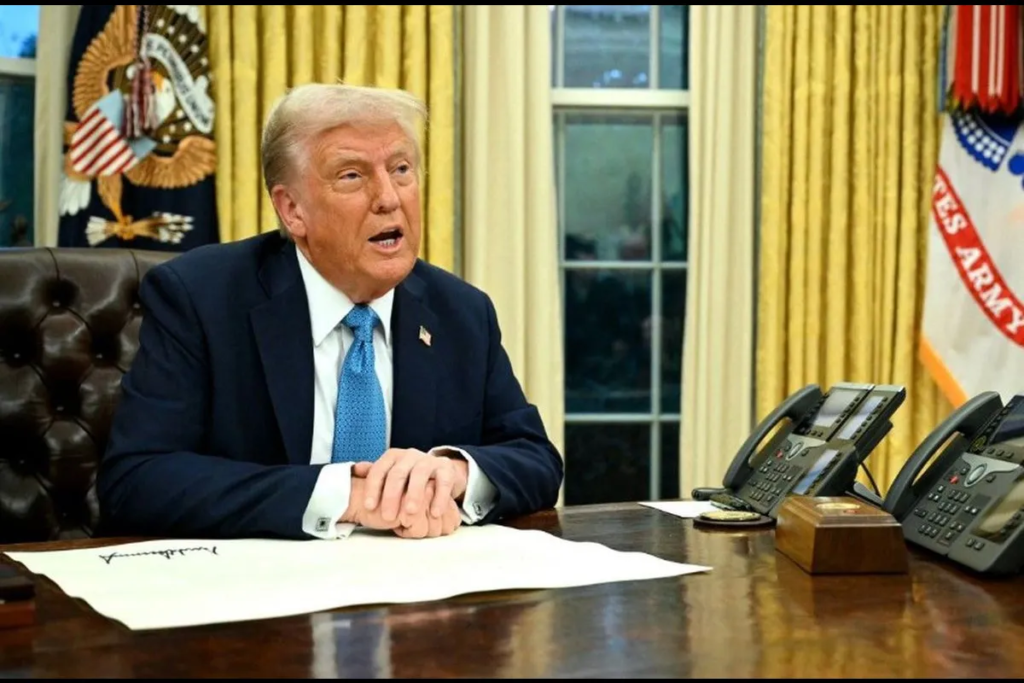
When Trump floated buying Greenland, it was dismissed by cable news as political theater. But to Arctic nations, it was a glaring signal that the old rules were dead. It suggested that American foreign policy might suddenly treat allied territory as fair game if vital resources were at stake. This strikes at the very core of our constitutional values of sovereignty and self-determination. By forcing Canada to militarize its vast northern border, we have inadvertently sparked a defensive arms race among our friends. This is no longer just about who controls the ice; it is about who controls the future of global commerce. But the consequences of this strategic blunder will soon be felt at the ballot box.
The Shadow Coalition and the 2026 Midterms
As we hurtle toward the 2026 Midterms, Capitol Hill reaction is already boiling over. Lawmakers are waking up to the reality that a rogue coalition of Canada, Norway, and Germany could soon dictate the terms of Arctic trade, bypassing American ports and American workers. The United States is an Arctic nation through Alaska, but we are rapidly being outmaneuvered by both our adversaries and our friends. Voters will demand to know why the United States is losing its grip on the most crucial emerging trade route on Earth, while billions of our tax dollars are still funneled into legacy NATO structures that no longer serve our primary national interests.
What This Means for the American Taxpayer
The hard truth is that Canada’s 40 billion USD investment is a double-edged sword for the American taxpayer. On one hand, it represents a massive victory for those who demand our allies finally carry their own weight and stop bleeding our treasury dry. On the other, it signals a terrifying loss of American influence. If the US is locked out of the Arctic’s critical mineral rush—resources essential for everything from defense technology to domestic manufacturing—the economic blowback will be catastrophic. We are witnessing the rapid decentralization of Western power. If Washington does not adapt quickly, returning to a strategy rooted in unyielding strength and constitutional liberty, the American people will ultimately pay the ultimate price for a frozen empire lost on our watch.
Editorial Note: The views and opinions expressed in this article are those of the authors and do not necessarily reflect the official policy or position of any agency or organization. This content is intended to provide diverse perspectives on current events.