
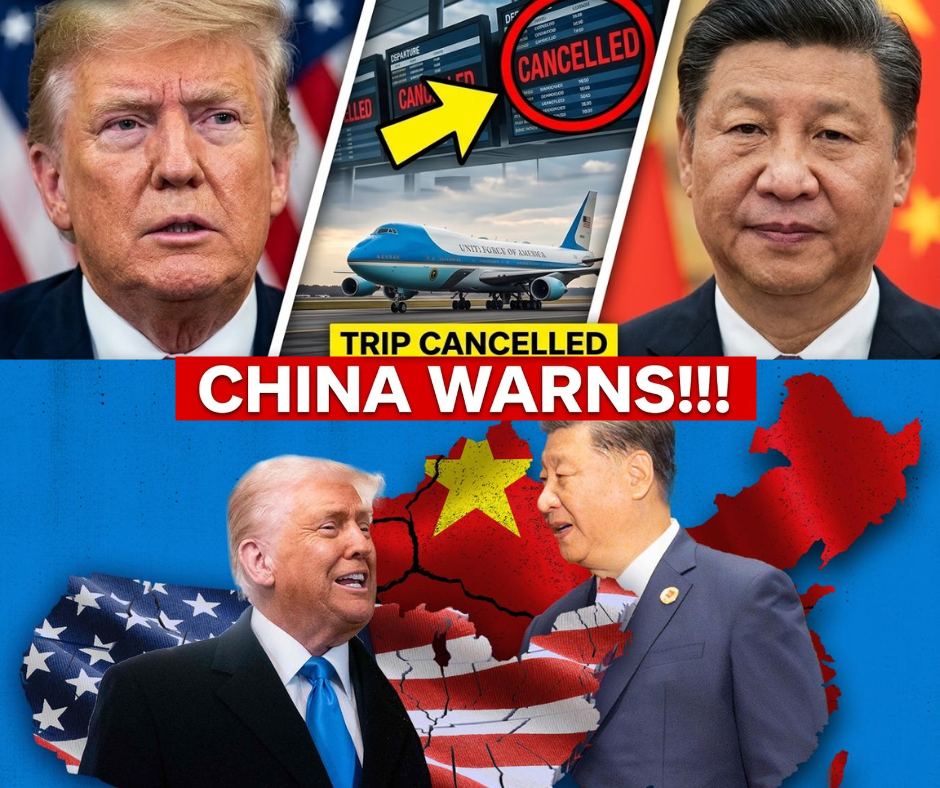
Gasoline prices are soaring 17 percent, and the American taxpayer is footing the bill for a foreign war nobody voted for. As the administration scrambles to hide a humiliating diplomatic collapse with Beijing, the hard truth is undeniable: Washington has walked into an economic slaughterhouse.
The Illusion of Leverage in the Oval Office
On Tuesday, March 17, 2026, Donald Trump stood in the Oval Office and attempted to spin a catastrophic diplomatic failure as a mere scheduling conflict. He confirmed the postponement of a highly anticipated trip to China, originally slated for the end of the month. It was supposed to be the first visit by an American president to Beijing since 2017, designed to lock in a fragile trade truce forged last October in South Korea. That truce had promised to bring 25 million metric tons of American soybean purchases and a pause on rare earth export controls. Instead, the summit is on ice. The administration insists this is about logistics, but the reality is much darker. The White House policy of demanding global compliance without consultation has collided with the hard limits of American power. But behind the closed doors of the West Wing, the administration was hiding a catastrophic miscalculation that was about to hemorrhage American wealth.
Operation Epic Fury and the Taxpayer’s Burden
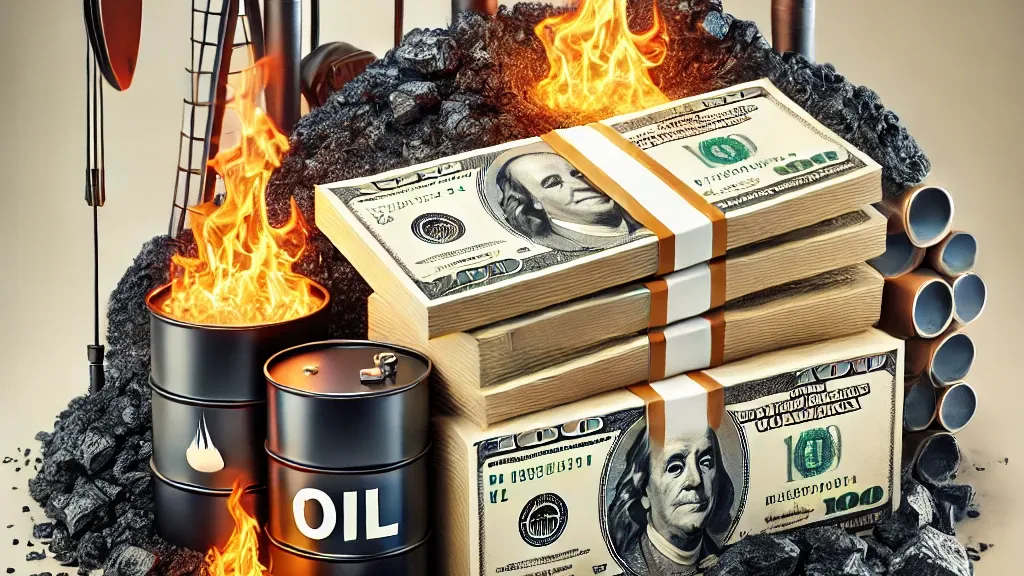
The sequence of ruin began on February 28, when the United States and Israel launched Operation Epic Fury. The assassination of Supreme Leader Ali Khamenei ignited a direct war with Iran, bypassing the constitutional checks and balances that demand congressional approval for such vast military entanglements. Within days, Iran functionally closed the 21-mile Strait of Hormuz to vessels linked to the US and its allies. Roughly 20 percent of the world’s daily oil supply vanished from the market. Brent crude violently surged from $73 to over $100 a barrel in less than ten days. The Capitol Hill reaction was intensely polarized; establishment hawks cheered the military strike, while constitutional conservatives and progressives alike demanded to know why the American taxpayer was suddenly paying 17 percent more at the pump for an unconstitutional foreign adventure.
A Coalition of One
Desperate to reopen the vital maritime artery and stop the bleeding of American wallets, the administration begged its allies to deploy warships. The response was a deafening rebuke. Germany bluntly stated it was not their war. France demanded a cessation of hostilities. Japan, Australia, and Spain outright refused. The United States, having launched the most expensive military engagement since the Iraq invasion, found itself totally isolated. The global community refused to spill blood or treasure to clean up a crisis Washington manufactured. Yet, the most devastating blow did not come from our European allies, but from a rising superpower that saw an opportunity to rewrite the global financial order entirely.
Beijing Calls Washington’s Bluff
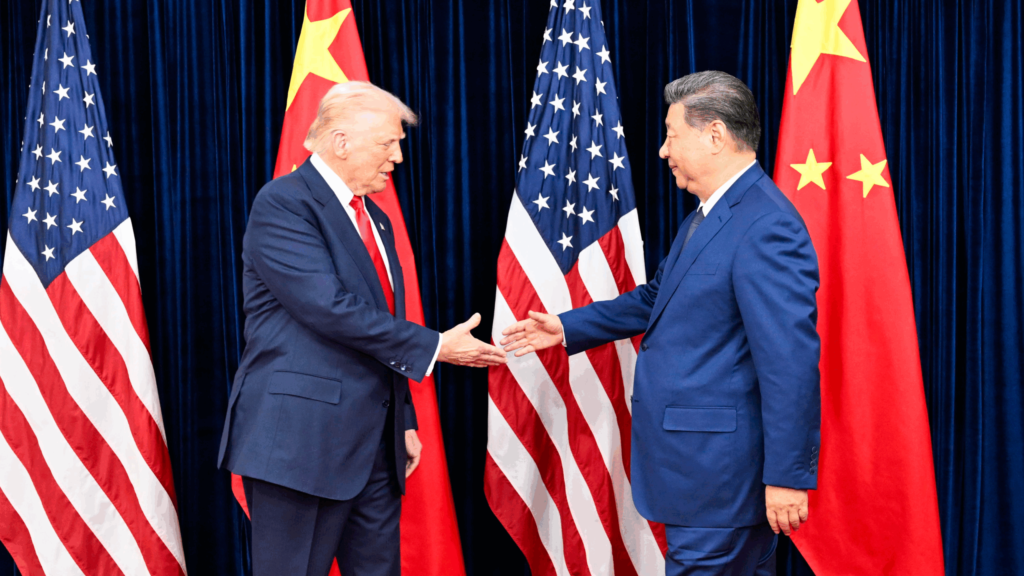
Running out of options, Trump attempted to use the impending Beijing summit as leverage, demanding that China police the Strait of Hormuz. He publicly claimed that China relies on the strait for 90 percent of its oil. It was a bluff, and Beijing knew it. Independent data reveals China’s actual energy reliance on the strait is a mere 6.6 percent. Thanks to a massive stockpile of 1.2 billion barrels of onshore crude and a 1.9 percent year-over-year increase in domestic production, Beijing can survive for months without a single tanker moving through Hormuz. Chinese state media mocked the President’s demands, explicitly questioning why China should share the risk of a war Washington started but cannot finish. Beijing’s foreign minister delivered a chillingly precise message: meet us halfway, or wait.
The Supreme Court and the Tariff War
While the summit collapsed, Treasury Secretary Scott Bessent and US Trade Representative Jameson Greer were in Paris, attempting to salvage the October truce with their Chinese counterparts. But they arrived empty-handed. Just weeks prior, the Supreme Court struck down Trump’s sweeping reciprocal tariffs, ruling his use of emergency economic powers illegal—a massive victory for constitutional liberty, but a severe blow to his trade agenda. In retaliation, the administration launched new Section 301 investigations into China. Beijing’s commerce ministry immediately condemned the probes as unilateral and discriminatory. As American diplomats desperately tried to salvage the trade truce in Paris, a much darker scheme was quietly unfolding in the waters of the Persian Gulf.
The Petrodollar’s Death Rattle
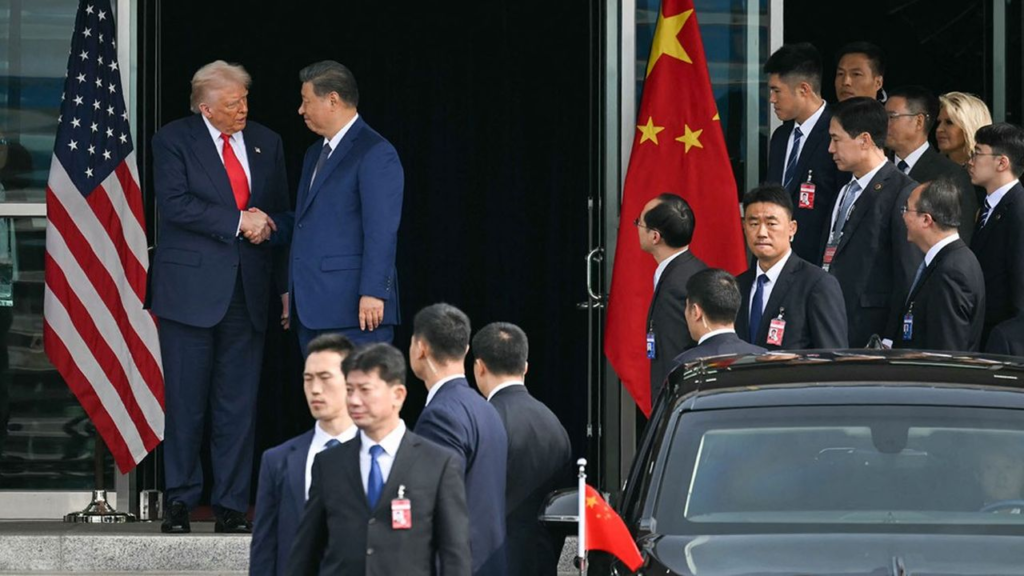
China has not just remained neutral; it has actively undermined American sanctions. While Western tankers sit stranded, Iran funneled more than 11 million barrels of oil to China through the supposedly closed strait in the first two weeks of the war. Now, Tehran is floating a kill shot to American economic supremacy: allowing tankers to transit Hormuz on the strict condition that the oil is traded in Chinese Yuan, not USD. If formalized, this yuan-priced oil corridor would shatter the 1974 petrodollar architecture that has sustained American financial dominance for half a century. Beijing has spent years building the infrastructure for this exact moment, and Washington’s chaotic foreign policy just handed them the keys. And that is exactly what threatens to tear the American economy apart from the inside out.
The 2026 Midterms Countdown
We are entering the third week of a bloody, expensive war with no coalition and no off-ramp. As the 2026 Midterms approach, affordability is no longer just a talking point; it is the defining crisis of the American republic. The administration has alienated its allies, provoked its greatest economic rival, and passed the devastating cost directly to the working class. Treasury Secretary Bessent described the current US-China trade relationship as “stable for now.” In the high-stakes theater of global diplomacy, that is not a reassurance. It is a ticking clock. The balance of global power is shifting, not on a battlefield, but at the gas pump and in the quiet halls of Beijing, where the world’s second-largest economy sits holding all the cards.
Editorial Note: The views and opinions expressed in this article are those of the authors and do not necessarily reflect the official policy or position of any agency or organization. This content is intended to provide diverse perspectives on current events.