
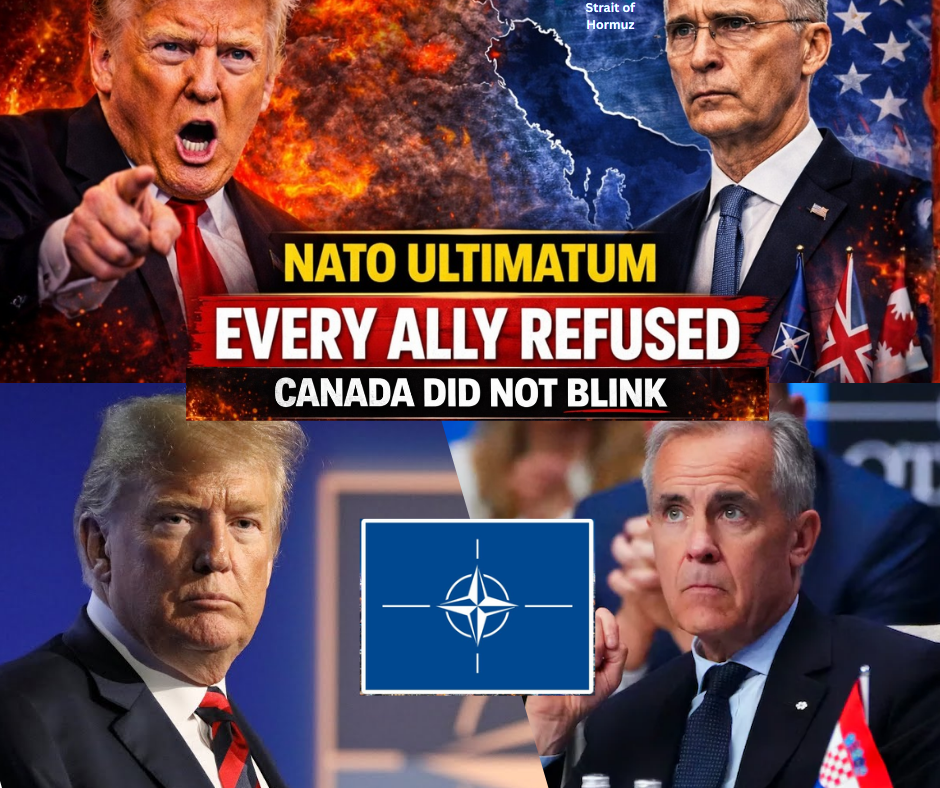
The seventy-five-year bedrock of American liberty and Western security is cracking over a five-mile stretch of water. As diesel nears $5 a gallon and the global oil supply chokes, American taxpayers are paying the ultimate price for an unprecedented White House policy that just shattered NATO.
The Day the Alliance Said No
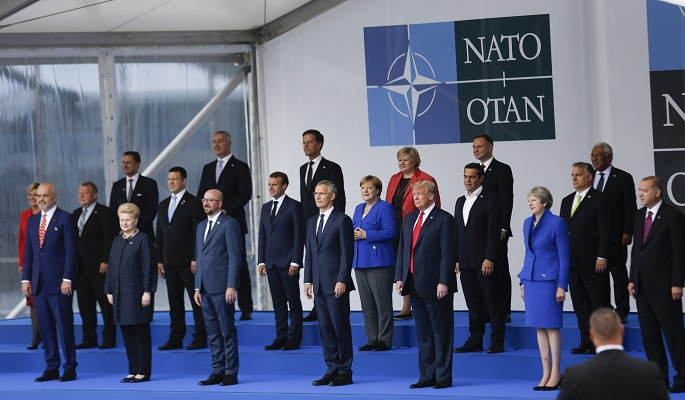
NATO was forged in the fires of 1949 to protect the free world. For exactly seventy-five years, it stood as the greatest military alliance in human history, weathering the Cold War, September 11th, and the battlefields of the Middle East. But on March 16, 2026, Donald Trump threatened to burn it all to the ground. The catalyst was not a Russian invasion or a Chinese provocation. The crisis was born because the United Kingdom, Germany, France, Japan, and Australia looked at the President of the United States and uttered a single, devastating word: No. Trump demanded that NATO allies deploy warships to the Strait of Hormuz, the treacherous five-mile choke point that normally handles one-fifth of the world’s oil supply. Instead of compliance, he received doors locked and bolted. Germany’s government declared three unprecedented words: “Not NATO’s war.” France refused to be dragged into a conflict led by Washington and Israel. The United Kingdom opted to spend millions protecting its citizens from heating oil spikes rather than sending British sailors to fight. But the most shocking revelation isn’t what our allies are refusing to do—it is what the United States Navy is quietly avoiding.
A Shooting Gallery Even America Avoids
The reality on the water exposes the full, devastating scale of Washington’s isolation. The United States Navy itself has been routinely denying daily requests from the commercial shipping industry for armed escorts through the strait. The risk of Iranian naval mines and direct attacks by the Revolutionary Guard is simply too high. Trump is demanding that sovereign European and Asian nations send their fleets into a maritime shooting gallery that America’s own military commanders have deemed too perilous to navigate. This is not a collective defense of constitutional values; it is a demand for foreign blood in waters America refuses to secure alone. While Washington trades ultimatums and Capitol Hill reaction spirals into partisan chaos ahead of the 2026 Midterms, another global power has already rewritten the rules of the game.
The Indian End-Run and Beijing’s Calculated Silence
While the Western alliance fractures, the East is quietly capitalizing on the chaos. India’s foreign minister bypassed Washington entirely, engaging in direct, hard-nosed diplomacy with Tehran. The result? Two Indian-flagged gas tankers sailed through the Strait of Hormuz without a single shot fired. Iran is not enforcing a geographic blockade; it is enforcing a fiercely political one. The waters are closed strictly to America and its allies. Meanwhile, China continues to import Iranian crude, calculating exactly how long it can observe the West’s self-destruction before a planned summit between Trump and Xi Jinping. Beijing is watching the architects of global liberty tear themselves apart. For the American voter, these distant diplomatic maneuvers are about to hit dangerously close to home, bleeding directly into household budgets.
The 26-Day Ticking Clock on American Energy
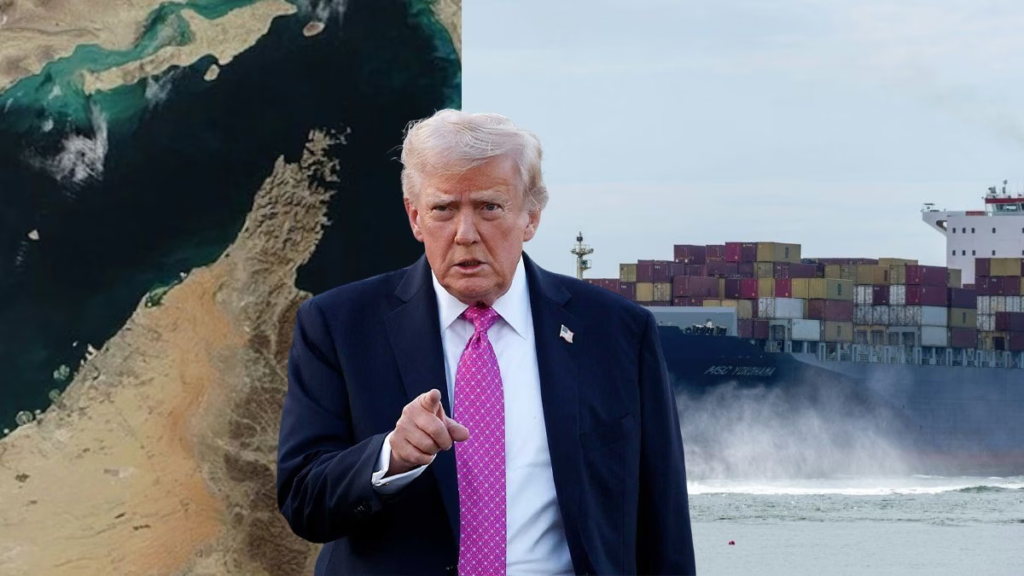
This geopolitical disaster is currently parked inside your gas tank. Crude oil has skyrocketed to its highest level since July 2022, and diesel is scraping the terrifying ceiling of $5 a gallon. We are witnessing the largest supply disruption in the history of the global oil market—surpassing even the catastrophic 1970s embargo. The International Energy Agency’s unprecedented release of 400 million barrels from emergency reserves is nothing but a temporary tourniquet. At the current disruption rate of 20 million barrels of crude and refined products vanishing from the market daily, that emergency buffer will be bone dry in exactly twenty-six days. One thousand oil tankers sit paralyzed. Yet, the financial bleeding at the pump is merely a symptom of a much deeper constitutional and geopolitical fracture currently tearing Washington apart.
The Capitol Hill Clash Over Constitutional Duty
The fallout has triggered a vicious ideological civil war inside the Beltway. Democrats point to the explicit text of NATO’s Article 5, arguing correctly that the Strait of Hormuz is not NATO territory and that the escalating conflict with Iran was not initiated by an unprovoked attack on a treaty member.
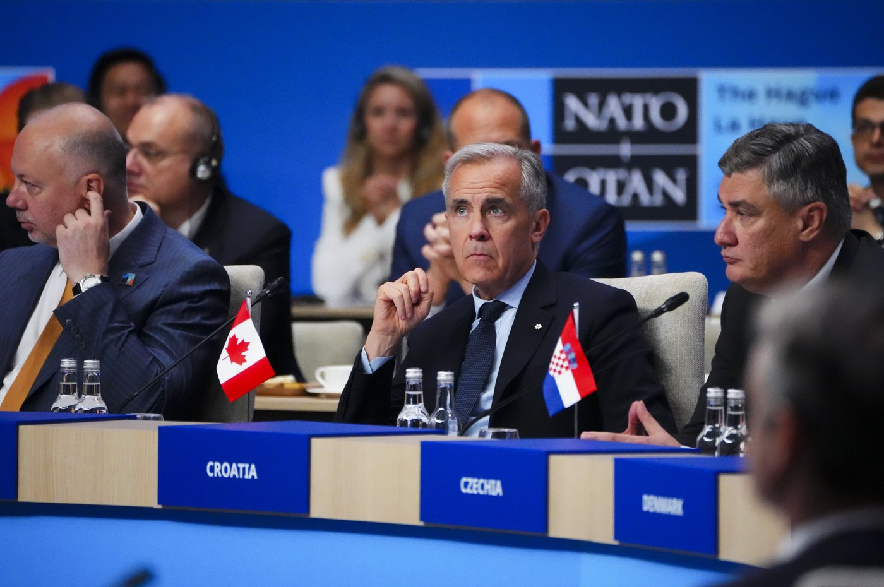
They frame the White House policy as a reckless overreach that endangers American troops and alienates vital democratic partners. Conversely, hardline Republicans argue that nations relying on Gulf oil must share the heavy burden of global security, insisting that American taxpayers should not permanently subsidize the defense of a wealthy Europe that refuses to protect its own energy lifelines. The ultimate question now rests on a razor’s edge, threatening to permanently alter the world your children will inherit.
The Future of Liberty and the Western Order
What happens in the next seventy-two hours will determine the survival of the Western security architecture. NATO’s foundational promise—that an attack on one is an attack on all—has kept European peace for eight decades and allowed small nations to embrace liberty over Russian subjugation. If the President of the United States dismantles this seventy-five-year pact because allies refused an extra-jurisdictional demand, the global order collapses. Russia, China, and Iran are watching closely, testing whether American threats against its own democratic allies strike harder than its warnings to its enemies. The American taxpayer is now staring down the barrel of astronomical food and energy costs, while the alliance that guaranteed their freedom hangs by a thread over a five-mile stretch of hostile water.
Editorial Note: The views and opinions expressed in this article are those of the authors and do not necessarily reflect the official policy or position of any agency or organization. This content is intended to provide diverse perspectives on current events.