
In a stunning blow to American economic supremacy, Canada just shattered decades of North American allegiance by striking a massive trade pact with Beijing. For the American taxpayer already crushed by inflation, this historic betrayal promises shattered supply chains and skyrocketing consumer costs.
The Beijing Betrayal That Broke the Continental Consensus
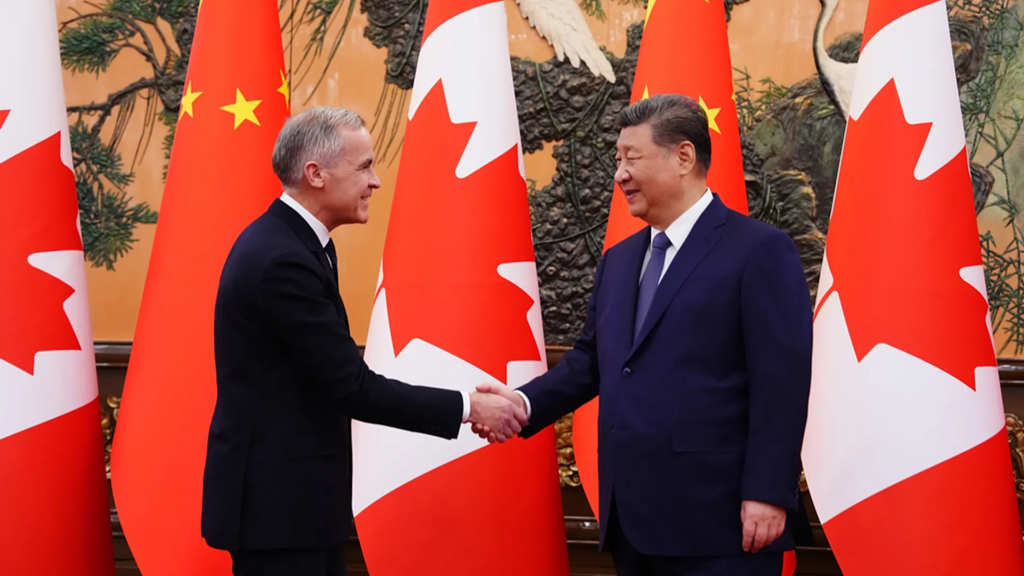
The tectonic plates of global trade have just violently shifted beneath our feet. In January, rather than making the customary pilgrimage to Washington, Canadian Prime Minister Mark Carney traveled to Beijing to sign a comprehensive trade agreement that fundamentally rewrites the economic destiny of this continent. For generations, the United States has relied on a suffocatingly close relationship with our northern neighbor, absorbing roughly 75 percent of Canadian exports. That leverage allowed successive American administrations to dictate terms, securing our borders and our domestic markets. Now, Canada has decided that the price of American partnership is simply too high. By looking directly at Donald Trump’s threats of a 100 percent tariff wall and choosing Xi Jinping instead, Carney has signaled an end to American hemispheric dominance.
But while Washington elites bicker over optics, a far more dangerous economic earthquake is quietly preparing to swallow the American auto industry whole.
The Six Percent Trojan Horse and China’s EV Conquest
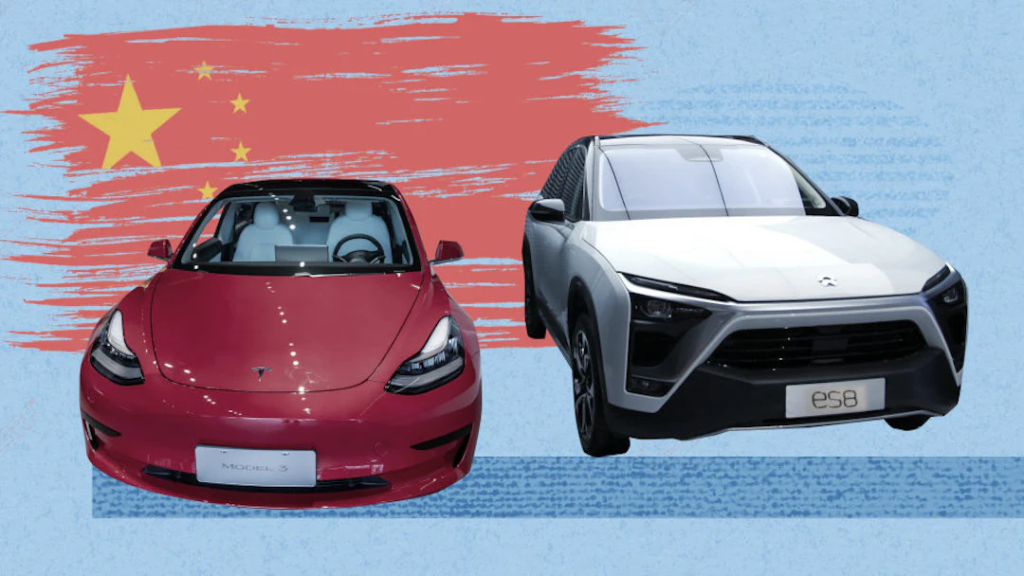
The details of this Beijing pact are nothing short of catastrophic for American manufacturing. Canada is slashing its tariffs on Chinese-made electric vehicles from a prohibitive 100 percent down to a staggering 6 percent. They are opening the floodgates to allow up to 49,000 Chinese EVs into the Canadian market annually. While American auto executives drag their feet, clinging to legacy business models and bloated price tags in USD, Chinese state-subsidized companies like BYD are eating their lunch. By welcoming these highly affordable, quality vehicles, Canada is effectively transforming itself into a strategic beachhead for Chinese industrial dominance right on our doorstep. Capitol Hill is just now waking up to the reality that their ultimate geopolitical nightmare has already crossed the northern border.
Capitol Hill Reaction: A Bipartisan Panic Over Supply Chains
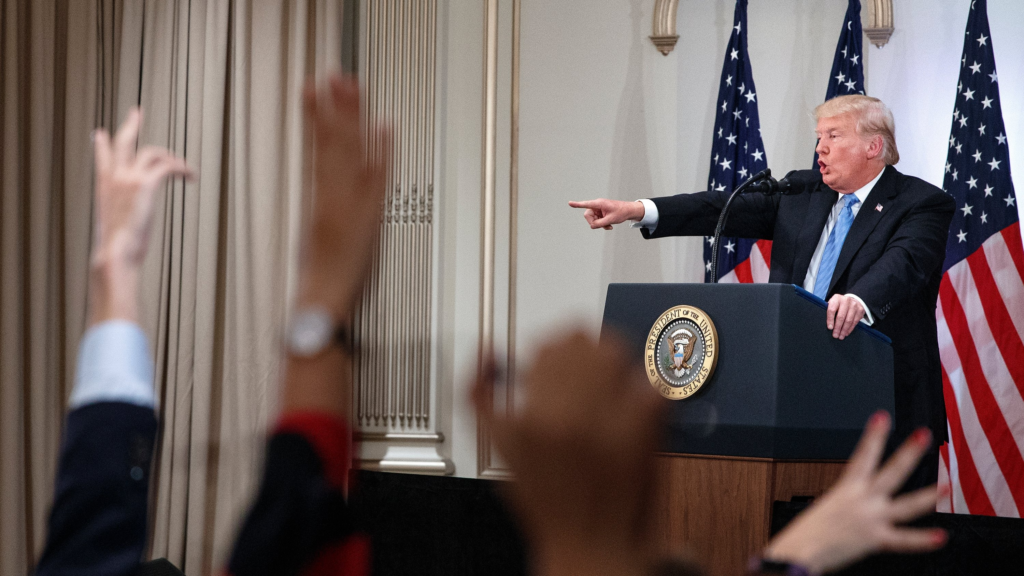
The Capitol Hill reaction has been a spectacle of unmitigated panic. Republicans are scrambling to defend Trump’s bluster, realizing too late that his threat to slap a 100 percent tariff on all Canadian goods if they finalized this deal was boldly called out as an empty bluff. Meanwhile, the current White House policy establishment is paralyzed. Democrats are torn between their radical environmental mandates—which require the exact kind of cheap EVs China is peddling—and the existential threat this poses to their unionized automotive base in Detroit.
Both parties have historically treated Canada as a subordinate vassal state rather than an equal sovereign partner. By wielding economic dominance like a blunt instrument, Washington actually accelerated Canada’s pivot to the East. Yet, the true cost of this diplomatic catastrophe will not be paid by out-of-touch politicians, but by the very American taxpayers they swore to protect.
The Heartlander’s Dilemma and the 2026 Midterms
If Washington attempts to save face by actually executing these retaliatory tariffs, the blowback on the American consumer will be devastating. We are inextricably linked to Canadian lumber, energy, agricultural products, and automotive parts across thousands of miles of shared border. Slapping taxes on these deeply integrated supply chains will cause prices at the hardware store and the grocery checkout to skyrocket overnight. Imagine the American family, already struggling to make ends meet, suddenly paying double for basic goods just to punish Ottawa for exercising its sovereign right to free trade. This disastrous miscalculation is poised to become the defining wedge issue of the 2026 Midterms. Voters will rightly demand to know why their leaders provoked a trade war that enriched Beijing while bankrupting the American heartland. As Beijing celebrates this bloodless victory, a ticking time bomb has been set for the upcoming election cycle—one that could shatter the political landscape entirely.
The Agricultural Realignment and the Loss of Leverage
This is not merely an automotive crisis; the agricultural ramifications are equally profound. China has reopened its massive market to Canadian beef—ending a ban that had strangled ranchers since 2021—while aggressively slashing tariffs on Canadian canola, lobsters, and peas.
While American policymakers offered nothing but threats and coercion, Beijing offered lucrative partnership. They recognized Canada as an equal, effectively driving a wedge into one of the most historically ironclad alliances in the Western world. Prime Minister Carney’s administration has now set a rigid goal to dramatically increase non-US exports by 2035. Every dollar Canada makes in Beijing is a dollar of leverage forever lost by Washington. The ultimate question is no longer whether America can control its northern neighbor, but whether it can survive the economic fallout of its own hubris.
A Sovereign Awakening and the End of an Empire
At its core, this crisis touches on the very constitutional values of sovereignty and self-determination that Americans hold dear. We cannot genuinely champion liberty and independence on the world stage while demanding subservience from our closest allies. Canada’s successful defiance proves that in the modern global economy, middle powers have alternatives. If Canada can seamlessly pivot away from the United States to secure its economic future without asking for permission, Mexico, Latin America, and Europe are surely taking notes. The era of American economic coercion is collapsing in real time. Washington must immediately abandon its outdated playbook of bullying and bluster, returning instead to a framework of mutual respect and competitive excellence, or watch helplessly as the rest of the free world willingly marches into the open arms of our greatest geopolitical adversary.
Editorial Note: The views and opinions expressed in this article are those of the authors and do not necessarily reflect the official policy or position of any agency or organization. This content is intended to provide diverse perspectives on current events.