
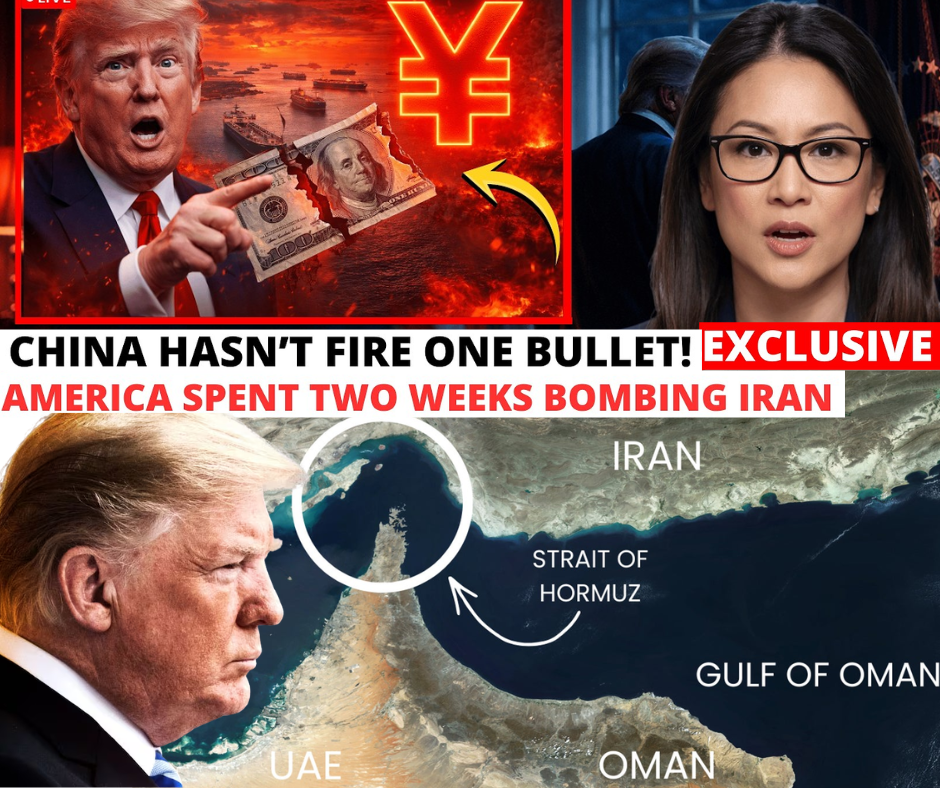
The greatest threat to the American taxpayer isn’t a hypersonic missile—it’s a spreadsheet in Beijing. As Washington burns billions on a Middle East standoff, a quiet financial coup in the Strait of Hormuz threatens to crush the US dollar, spiking inflation and bleeding working families dry.
The Day the Dollar Died
What you are about to hear has nothing to do with explosions or soldiers on the ground. This is about raw, undiluted geopolitical warfare being fought with bank transfers instead of bombs. Last Friday, a senior Iranian official sat down for a CNN interview and delivered a sentence that should have stopped the financial world cold. Iran is actively permitting petroleum vessels to navigate through the Strait of Hormuz, but with one massive, civilization-altering catch: every single barrel must be purchased using the Chinese Yuan rather than American dollars. When you realize that roughly 20 percent of Earth’s entire petroleum supply squeezes through that tiny ocean corridor, you begin to understand the gravity of this moment. But the most terrifying aspect of this financial ambush isn’t what happened on the water—it is what Washington is desperately trying to hide from you.
A 52-Year Constitutional Mandate Betrayed
For more than five consecutive decades, global petroleum markets have operated under one sacred, unwritten commandment: all oil gets priced in United States dollars.
This Petrodollar framework, crystallized in 1974 when Washington promised the Saudi royal family military protection in exchange for dollar-exclusive crude sales, became the beating heart pumping blood through American global supremacy. It created an insatiable international appetite for our currency, allowing the federal government to borrow cheaply and fund a military that secures our constitutional liberties at home and abroad. Yet, during the first 14 days of Operation Epic Fury, Iranian tankers transported more than 11 million barrels of crude straight through the Strait to Chinese ports, entirely in Yuan. Yet, as the Pentagon celebrated this tactical illusion, a far more sinister trap was already springing shut around the American economy.
Capitol Hill Reaction: Blind to the Real War
While military strategists and cable news anchors fixate on satellite imagery of bombed drone facilities, the Capitol Hill reaction has been utterly detached from reality. Republican hardliners demand overwhelming force, echoing former President Trump’s call for tanker captains to show backbone and push through the blockades. Conversely, the Democratic establishment pushes for measured diplomatic de-escalation. Both sides are completely missing the battlefield. American forces bombed Kharg Island, Iran’s primary petroleum export facility. Pentagon officials paraded this as definitive proof of operational dominance. But within 48 hours, Iran seamlessly routed tankers to the Jask terminal, bypassing the choke point entirely while keeping the Strait sealed to dollar-based traffic. If you think the current inflation crisis is unbearable, what comes next will fundamentally rewrite the American way of life.
The Yuan Ultimatum and the 2026 Midterms
Global commodity traders are now watching two separate operational systems function simultaneously. Yuan-based Chinese tankers glide effortlessly through contested waters, while non-Chinese, dollar-based vessels remain trapped outside, burning millions of USD daily in skyrocketing insurance premiums.
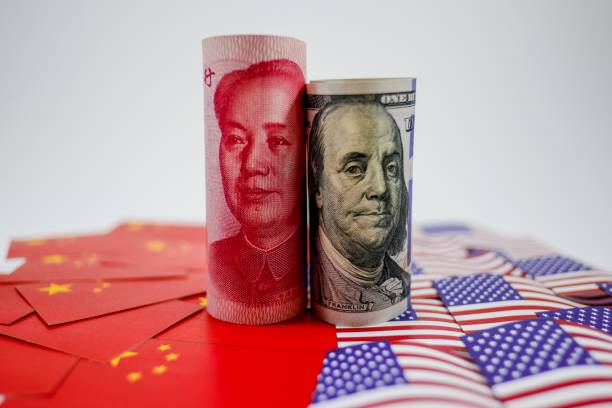
This quiet division is setting the stage for a brutal reckoning heading into the 2026 Midterms. Voters are already being hammered by severe energy shortages domestically, forcing the United States to recently reverse its prohibition on Russian petroleum imports just to keep the lights on. The realization that our adversaries are dictating the terms of global energy commerce will send shockwaves through the electorate. And while politicians bicker over poll numbers, the true architects of our decline are quietly cashing the checks.
White House Policy and the Taxpayer Burden
The true cost of this geopolitical failure will be borne directly by the American taxpayer. China has spent years methodically constructing the Cross-Border Interbank Payment System (CIPS), processing a staggering $245 trillion worth of Yuan-denominated trade just this year. White House policy has entirely failed to counter this alternative financial infrastructure. If the Strait of Hormuz normalizes Yuan payments, the structural demand that props up the US dollar will evaporate. American borrowing costs will climb noticeably higher, and maintaining our 800 military installations across thousands of miles of the globe will become financially unsustainable.
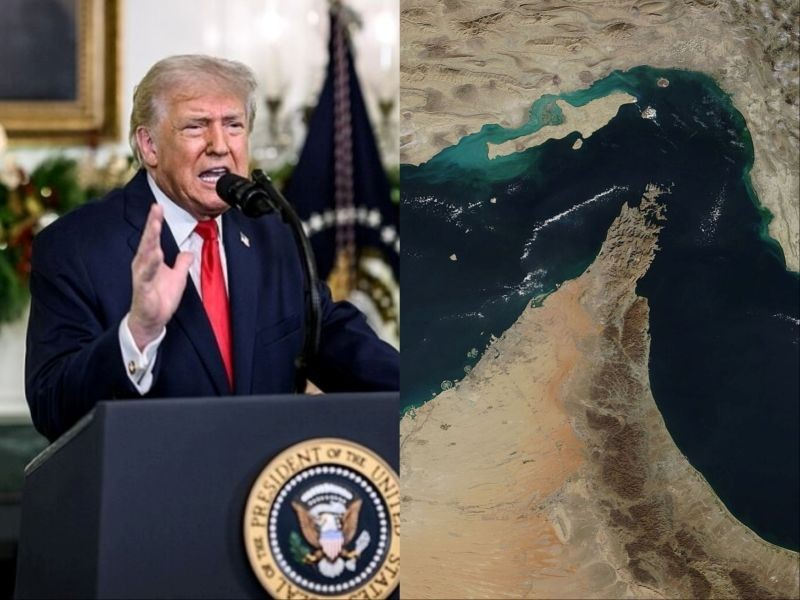
The leverage Washington expected to possess is bending under the weight of Beijing’s long game. We are watching the bedrock of our economic freedom crumble in real time.
The Silent Bleeding of Liberty
This is no longer a traditional military confrontation; it is a calculated dismantling of American hegemony. Every single day that Yuan-denominated tankers pass through Hormuz without incident, the precedent grows stronger. Nations from Europe to Southeast Asia are realizing they no longer need to hoard American currency to survive. The Petrodollar system is not experiencing a sudden, dramatic explosion, but rather a slow, suffocating demise. As Houthi forces simultaneously choke the Red Sea corridor, our strategic vulnerabilities are laid bare for the world to exploit. The defense of our republic and our constitutional values requires economic sovereignty, and that sovereignty is currently bleeding out in the waters of the Middle East. The spreadsheets have outmaneuvered the warships, and unless America wakes up to this financial warfare immediately, the final cost will be our liberty itself.
Editorial Note: The views and opinions expressed in this article are those of the authors and do not necessarily reflect the official policy or position of any agency or organization. This content is intended to provide diverse perspectives on current events.