
The American taxpayer is about to foot the bill for the greatest collapse of US global alliances in a generation. As bombs rain on Tehran and the Strait of Hormuz chokes, working families face $5 gas while Washington’s so-called allies turn their backs on the greatest military force on earth.
The Fracture of the American Umbrella
When American and Israeli forces unleashed Operation Epic Fury on February 28, 2026, decapitating Iranian leadership, the White House policy was clear: strike first, ask the world to fall in line later. But the world blinked. For the first time in modern history, the United States went to war and nobody showed up. Saudi Arabia, the UAE, Qatar, and even NATO stalwart Spain looked at Washington and delivered a resounding declaration to count them out. The constitutional republic that built the post-war global order is now watching it shatter in real time. Gulf nations, caught in the crossfire with their sovereign airspace contested and critical infrastructure like the Shaybah oil field taking direct drone fire, are actively blocking American forces from using their bases for offensive operations.
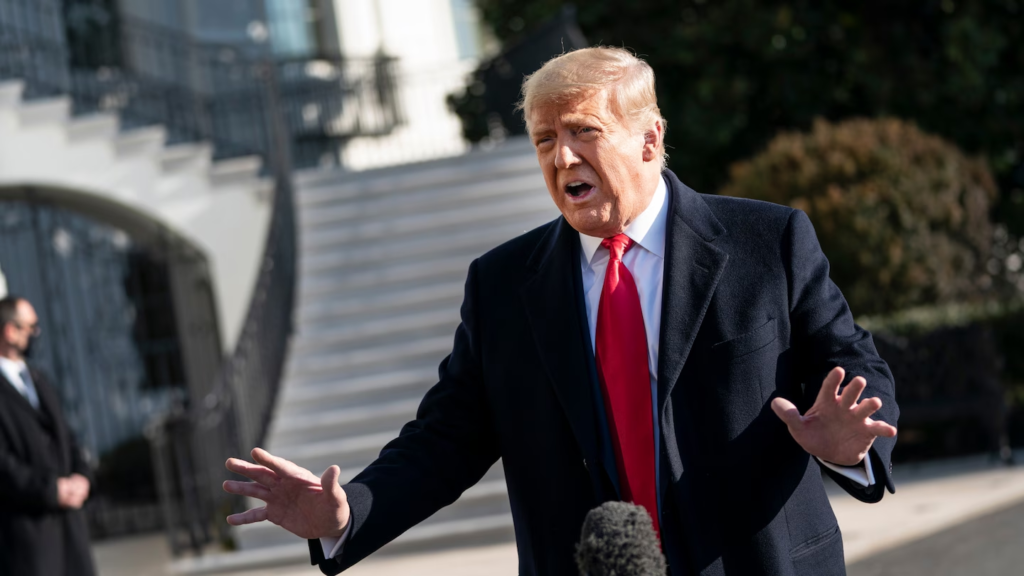
But what happened next on national television would turn a geopolitical crisis into a domestic political inferno.
Capitol Hill Reaction and the Conservative Civil War
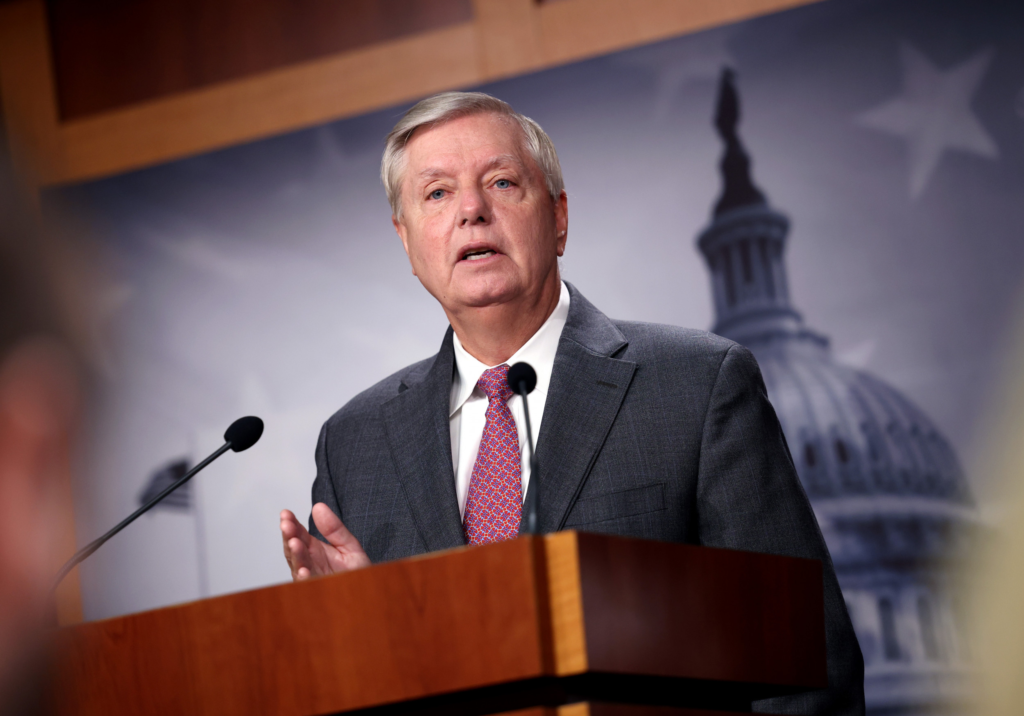
The Capitol Hill reaction was swift and merciless, but it did not fall along traditional partisan lines. Instead, it ignited a fierce conservative civil war. On March 10, Senator Lindsey Graham took to Fox News to unilaterally threaten sovereign nations, demanding the US strip air bases from Spain and revoke defense treaties with Riyadh. Graham, who reportedly bypassed the State Department to coordinate directly with foreign intelligence, declared unconditional allegiance to Israel while treating fundamental American constitutional values of sovereign diplomacy as an afterthought. The backlash from the right was explosive. Representative Nancy Mace challenged Graham to put boots on the ground himself, while commentators from Megyn Kelly to Matt Walsh openly questioned who crowned the South Carolina senator emperor of the world. Yet, while factions bicker over rogue diplomacy, a far more sinister alliance is quietly bleeding the American taxpayer dry in the shadows.
The Moscow-Tehran Axis Profiting Off American Blood
Vladimir Putin is the sole victor in this conflict, and current White House policy is handing him the keys to the bank. Intelligence confirms Russia is actively feeding the location of American military assets to Tehran. The very drone tactics Moscow perfected over the skies of Kyiv are now being deployed against US service members in the Persian Gulf. Yet, when confronted with this betrayal, the administration waved it off as a symmetrical exchange.
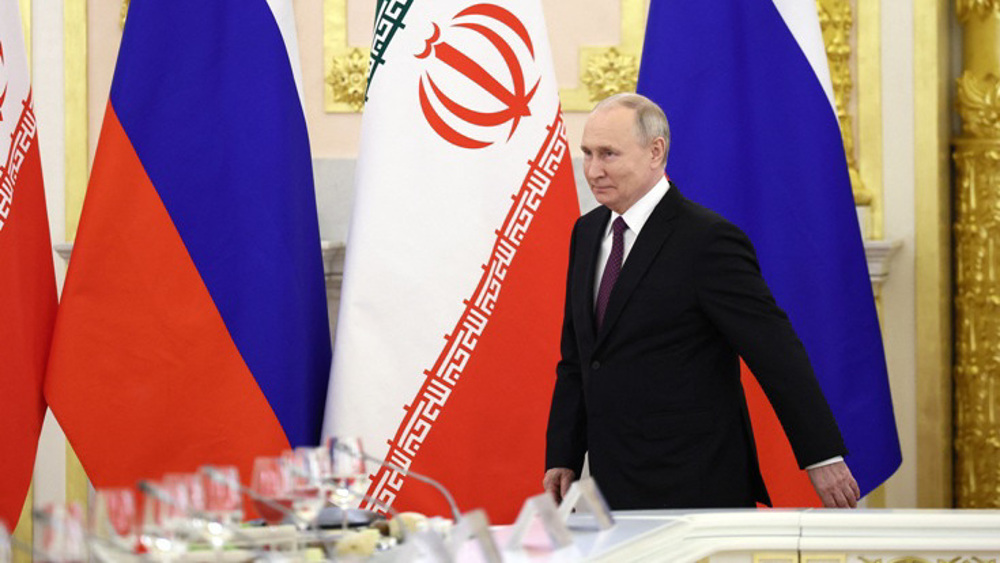
Even more terrifying for the American voter, the Treasury Department is floating the idea of lifting sanctions on Russian oil to artificially suppress the skyrocketing costs of crude. We are inadvertently financing the very Russian war machine that is helping target our own sons and daughters in uniform. If the diplomatic surrender was not enough to secure disaster for the upcoming 2026 Midterms, the economic tidal wave crashing into the American homeland absolutely will be.
The Strait of Hormuz and the Taxpayer’s Burden
Geopolitics is no longer an abstract concept debated in marble halls; it is a financial guillotine dropping on the neck of the American working class. The Strait of Hormuz, a narrow 21-mile strip of water, is effectively sealed. Twenty percent of the world’s global oil supply has vanished overnight. Brent crude is violently fluctuating above 100 USD a barrel, and the national average for regular gasoline is marching ruthlessly toward $5 a gallon. But the pain at the pump is just the beginning. The blockade has trapped 30 percent of global ammonia exports and spiked urea fertilizer prices by a staggering 35 percent. Aluminum production is paralyzed. The cost to grow food, build homes, and manufacture defense electronics is skyrocketing. The American taxpayer is subsidizing a foreign war through the devastating hidden tax of inflation, and the administration has quietly admitted there is no economic fix without military victory. But as the conflict drags on, the silence from our supposed friends is becoming deafening.
A Constitutional Crisis of Diplomacy
The diplomatic humiliation of the United States reached a crescendo when Khalaf Ahmad Al Habtoor, a deeply influential Emirati billionaire, published a scathing public rebuke of Senator Graham.
Al Habtoor articulated what the State Department refuses to admit: the Arab world views American decision-making as hasty, reckless, and entirely detached from the survival of the nations actually bordering the blast radius. By treating the lives of allied citizens as acceptable collateral damage, Washington has forced the Gulf states to pivot toward Beijing for security guarantees. China, which imports 70 percent of its oil through the Strait, is watching America exhaust its strategic petroleum reserves while deepening its own influence in the Middle East. We are trading our constitutional supremacy for short-term tactical strikes, accelerating the end of the unipolar American era. And the ultimate price for this hubris has yet to be fully paid.
The Long Game and the Price of Liberty
Two distinct paths lie before the American republic. In the first, Iran realizes its leverage has peaked, a ceasefire is brokered, and Washington claims a hollow victory while the fundamental architecture of our global alliances remains permanently scarred. In the second, more perilous path, the Strait remains closed through the spring. Global recession triggers a domestic economic meltdown right as the 2026 Midterms approach, and the American voter exacts a brutal reckoning at the ballot box. Liberty requires strength, but it also requires wisdom. We have squandered our diplomatic capital, enriched our adversaries in Moscow and Beijing, and abandoned the American taxpayer to shoulder the staggering financial burden of a war fought without consensus. The hard truth is that bombs may win battles, but alliances win the future—and right now, America is fighting entirely alone.
Editorial Note: The views and opinions expressed in this article are those of the authors and do not necessarily reflect the official policy or position of any agency or organization. This content is intended to provide diverse perspectives on current events.