
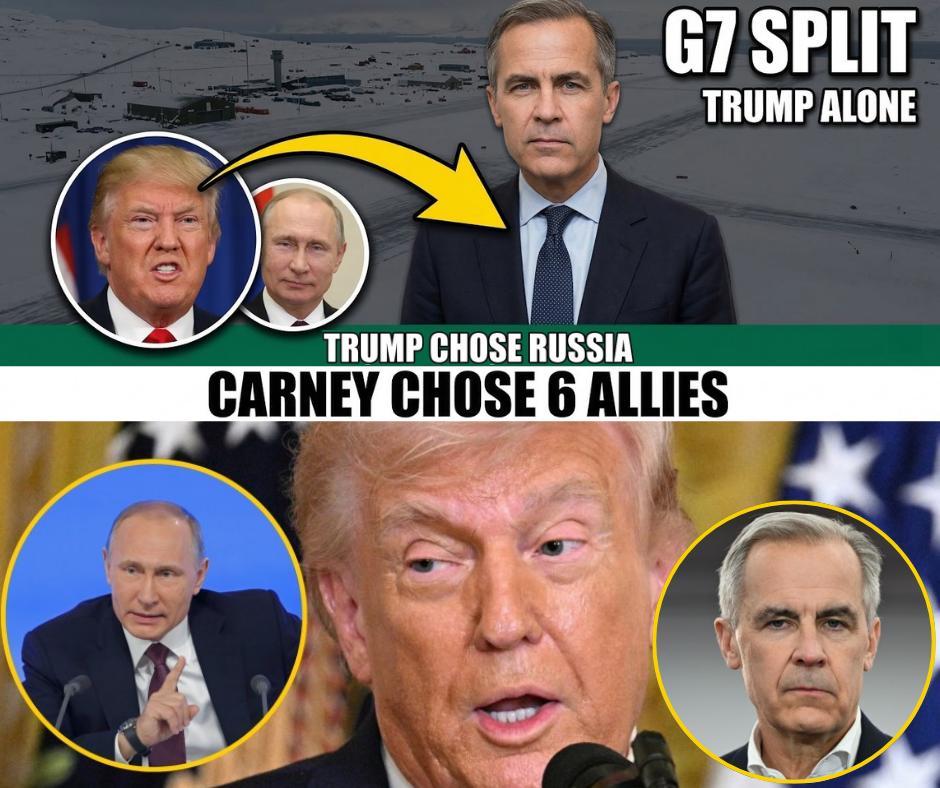
While American taxpayers slept, the White House quietly handed Moscow an economic lifeline, shattering a united G7 front. Now, our closest ally is bypassing American defense contractors to the tune of 30 billion USD, directly threatening US jobs and continental security just months ahead of the 2026 Midterms.
The Midnight Betrayal of the G7
It is Friday morning, March 13, 2026, and the geopolitical ice is cracking. Deep in the sub-zero expanse of northern Norway, 32,000 soldiers from 14 allied nations are running drills to protect the high north from Russian aggression. But the real shockwave did not come from a frozen tundra; it came directly from Pennsylvania Avenue. In a move that stunned the international community, Donald Trump unilaterally lifted sanctions on Russian oil. During a tense G7 video conference on Wednesday, six allied leaders pleaded with the American president to hold the line, begging him not to give Moscow breathing room as Ukraine bleeds into its fifth year of war. He thanked them for their input.
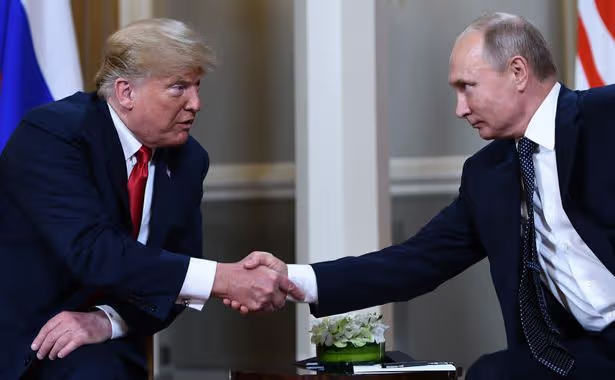
Then, Thursday night, the US Treasury issued a 30-day waiver anyway. It was a unilateral fracture of the highest order. But the immediate fallout is not just diplomatic; it is a direct assault on the American worker’s wallet, and what happened next in the Arctic circle will change our national security forever.
Capitol Hill Reaction to a Frozen Frontier
The bedrock of our constitutional republic relies on a system of checks, balances, and ironclad alliances that keep the homeland secure. Unsurprisingly, the Capitol Hill reaction has been a partisan firestorm. Democrats are framing the waiver as a catastrophic capitulation to a foreign adversary, demanding immediate congressional oversight. Republicans are defending the White House policy as a necessary energy strategy to lower domestic gas prices. Yet, while Washington bickers, the world is moving on without us. Standing on that Norwegian base, Canadian Prime Minister Mark Carney stood shoulder-to-shoulder with Germany’s Chancellor and Norway’s Prime Minister. They sent a chilling message to the American public: the North will be defended, and they no longer need Washington’s permission to do it. The consequences of this newfound independence are about to hit the American economy like a freight train.
The Economic Bleed of the American Worker
Let us deal in the hard truth of mathematics. We are told the American economy is the engine of liberty and prosperity. But the Bureau of Labor Statistics confirmed a brutal reality for February 2026: the United States hemorrhaged 92,000 jobs. While some point to Canada’s loss of 84,000 jobs in the same month, the trend line exposes a terrifying American failure.

Over the last six months, an American economy eleven times the size of Canada’s created a pathetic 6,000 jobs. In that exact same window, Canada netted 80,000. Wages up north are growing at 4.2 percent. For the American taxpayer footing the bill for global security, watching our closest trading partner outpace our job market while our leaders alienate our allies is a bitter pill. But the true cost of this isolationism is measured in lost American manufacturing.
A 30 Billion USD Defense Defection
For decades, the military-industrial complex of the United States has been the undisputed arsenal of democracy. When our allies needed steel, they bought American. Not anymore. Canada is currently in the final stages of a massive procurement to purchase 12 submarines to patrol its Arctic waters. The price tag is a staggering 30 billion USD. Final bids were submitted just days ago by Germany and South Korea. The United States is not even on the bid list. Let that sink in. Washington has no seat at a 30 billion USD table. By alienating our neighbors, White House policy has literally forced an allied nation to bypass American shipyards and American workers. That is billions of taxpayer dollars in potential economic stimulation vanished overnight.
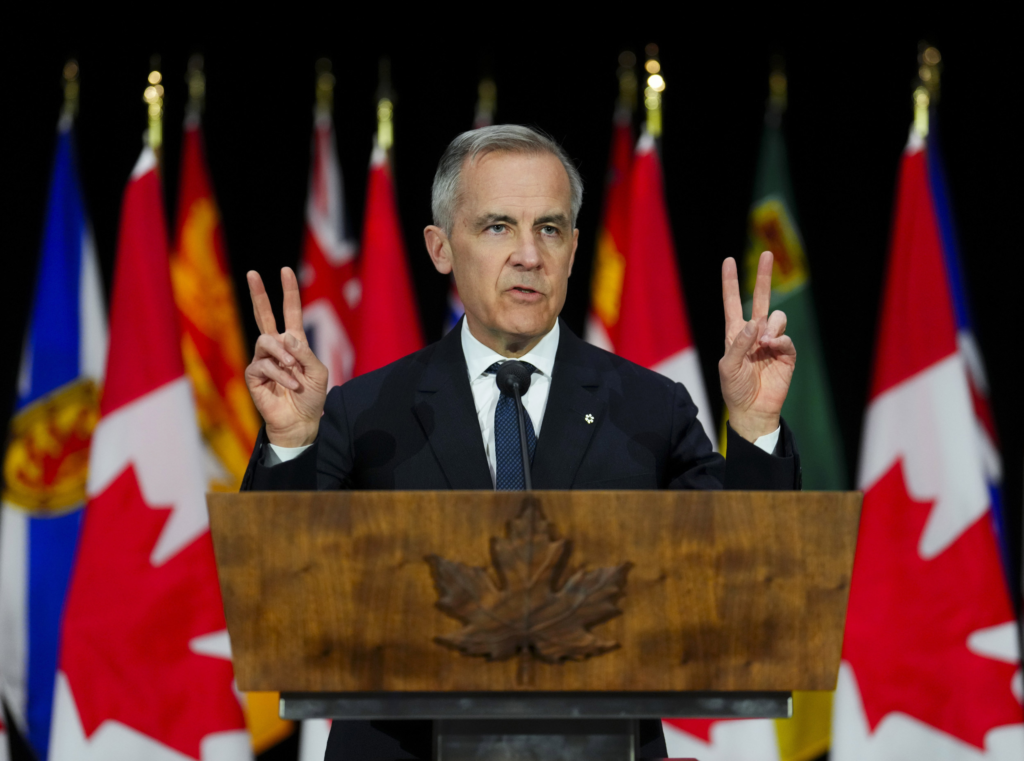
This is a deliberate structural choice by a Canadian government that just dumped 26 billion USD into Arctic infrastructure. And the geographical reality of where they are spending it should terrify every American patriot.
Redrawing the Map of Liberty
Most Americans do not realize that Canada shares a 1,864-mile Arctic border with the European Union. That frozen frontier is the northern shield of our constitutional republic. For sixty years, NORAD has been the most integrated air defense system on Earth, a sacred pact of continental defense. But when the President mocks Canadian sovereignty and breaks unilaterally on Russia, tariffs, and Greenland, he destabilizes NATO’s western Arctic flank. The German Chancellor did not fly to a Norwegian military base for a photo opportunity. He flew there to solidify a new security architecture that intentionally excludes the United States. Canada is not decoupling in anger; they are diversifying in strategy. They are proving that strength with multiple allies might eventually replace an unreliable American partner. The ultimate question is whether the American voter will recognize this quiet catastrophe before the ballot box.
The 2026 Midterms and the Price of Isolation
As we barrel toward the 2026 Midterms, the American electorate faces a defining choice about the survival of our global leadership.
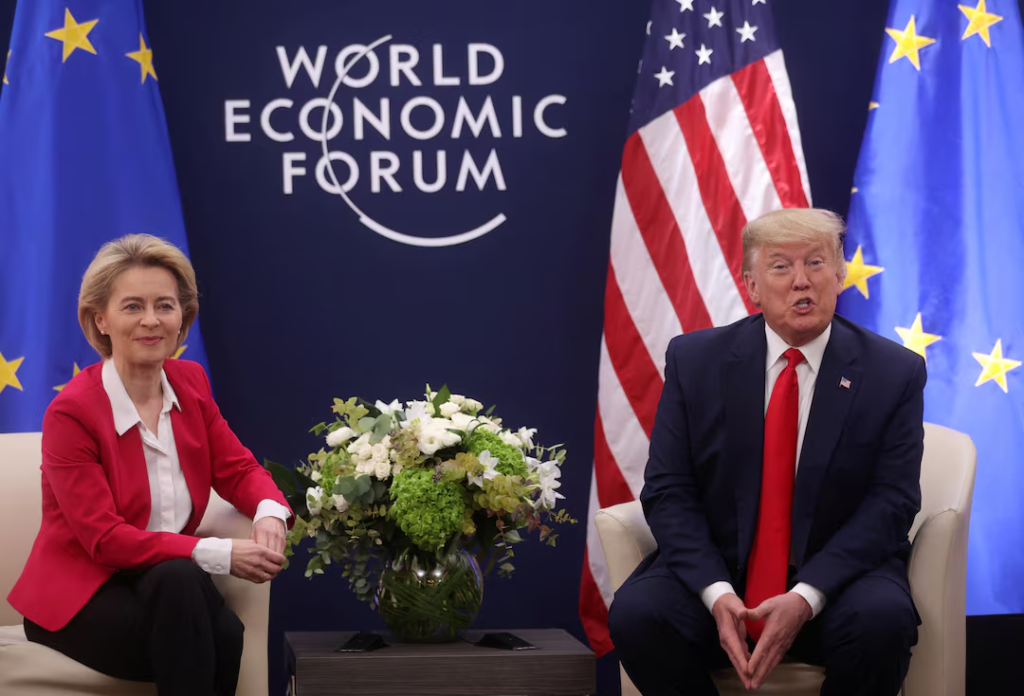
We are watching our closest ally take control of its own destiny, fortified by European and Pacific partnerships, while the United States sits isolated in the cold. The hard truth is that liberty cannot thrive in a vacuum, and continental security cannot be sustained by a nation that breaks its word for a 30-day oil waiver. America is bleeding jobs, losing multi-billion-dollar defense contracts, and watching the Arctic ice militarize under foreign flags. Our republic has always thrived on the strength of its alliances and the unshakeable word of its leaders. If we do not course-correct, we will soon find that the free world has simply learned to survive without us.
Editorial Note: The views and opinions expressed in this article are those of the authors and do not necessarily reflect the official policy or position of any agency or organization. This content is intended to provide diverse perspectives on current events.