

The White House is playing a dangerous game of Russian roulette with the American food supply. By threatening severe tariffs on Canadian potash—the critical mineral feeding our crops—Washington is guaranteeing skyrocketing grocery bills and pushing heartland farmers toward total financial ruin.
The Illusion of Independence
The bedrock of the American republic is self-sufficiency, a constitutional ideal that ensures our liberty is never held hostage by foreign powers. Yet, when it comes to the very soil that feeds this nation, we are perilously dependent. The United States imports over ninety percent of its potash, a non-negotiable potassium chloride nutrient required for commercial agriculture to regulate water and resist disease. A staggering eighty-seven percent of that supply flows directly from a single country: Canada. Despite this glaring national security reality, President Donald Trump has escalated a volatile trade war, threatening what he calls “very severe tariffs” on Canadian fertilizer imports. The stated goal is to force domestic production. But what the administration is keeping quiet behind closed doors is a geopolitical maneuver that defies all economic logic.
A National Security Crisis in the Soil
You cannot decree a mine into existence with the stroke of an executive pen. Building potash infrastructure takes billions of USD and up to a decade of relentless labor.
In 2024, Canadian potash mining output was thirty-six times larger than America’s. While the Department of Energy floated a 1.26 billion USD loan guarantee for the Michigan Potash and Salt Company, and the USDA tossed a meager 14 million USD grant to Sage Potash in Utah, these projects remain years away from producing the five million tons American farmers consume annually. The White House policy of slapping tariffs on our northern neighbor before we have a domestic alternative is a recipe for agricultural starvation. Yet, as the domestic supply remains a distant mirage, the administration has quietly opened a backdoor that should alarm every freedom-loving American.
Capitol Hill Reaction and the Authoritarian Embrace
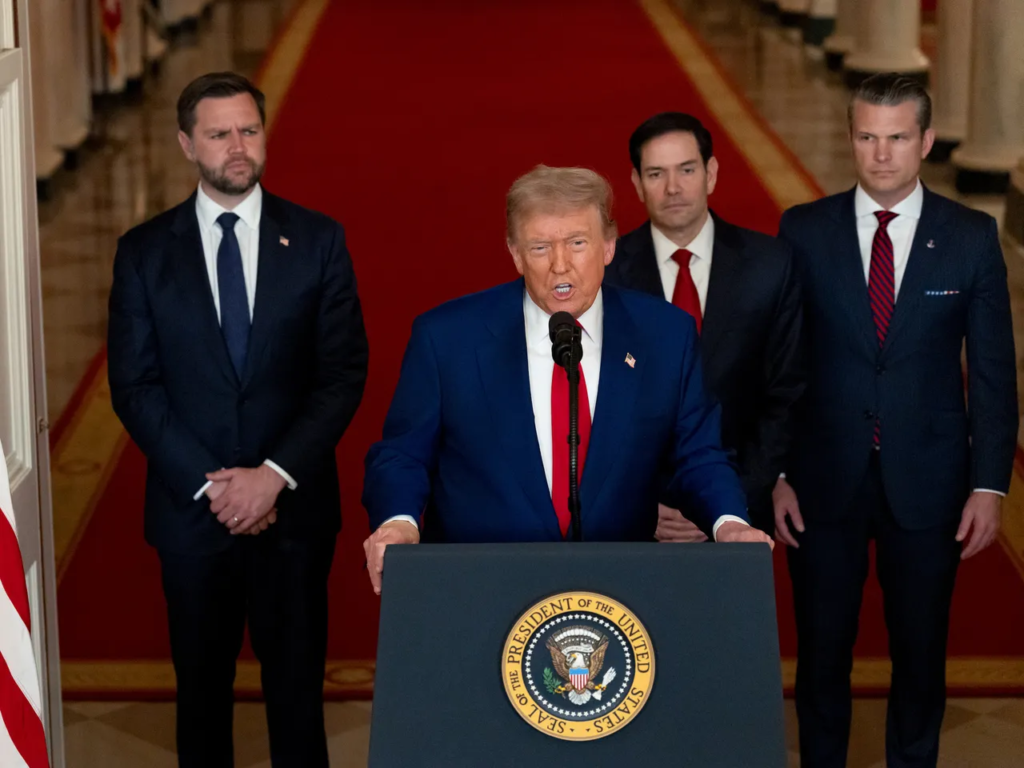
In December of 2025, the Trump administration struck a deeply controversial deal with Belarus, one of Europe’s most entrenched authoritarian regimes, lifting sanctions on Belarusian potash in exchange for the release of political prisoners. The Capitol Hill reaction has been explosive. Democrats are demanding investigations into the morality of the deal, while farm-state Republicans are quietly panicking over the disastrous logistics. Shipping fertilizer from Eastern Europe requires navigating congested ports and paying exorbitant ocean freight costs across thousands of miles. It is a mathematical impossibility to deliver Belarusian potash to an Iowa cornfield at a price that competes with Canadian rail shipments.
The true cost of this backdoor diplomacy, however, is about to hit the American taxpayer with the force of a freight train.
The Subsidized Farmer
American agriculture is currently bleeding out. Fertilizer alone accounts for up to forty-four percent of operating costs for corn production. With input costs surging and crop prices plummeting due to retaliatory trade measures—including China halting US soybean purchases until late harvest—farmers lost an average of 150 USD per acre this year. Nationwide losses have eclipsed 15 billion USD. To mask this economic hemorrhage, the White House announced an 11 billion USD “Farmer Bridge Assistance Program.” During his first term, Trump funneled 23 billion USD in trade aid to farmers; this year, total federal farm payments are set to hit a near-record 40 billion USD. We are systematically destroying the rugged independence of the American farmer, replacing free market liberty with permanent reliance on the federal government. While taxpayers bleed to cover these massive bailouts, a far more sinister threat is quietly gathering just across our northern border.
The Global Pivot and the 2026 Midterms
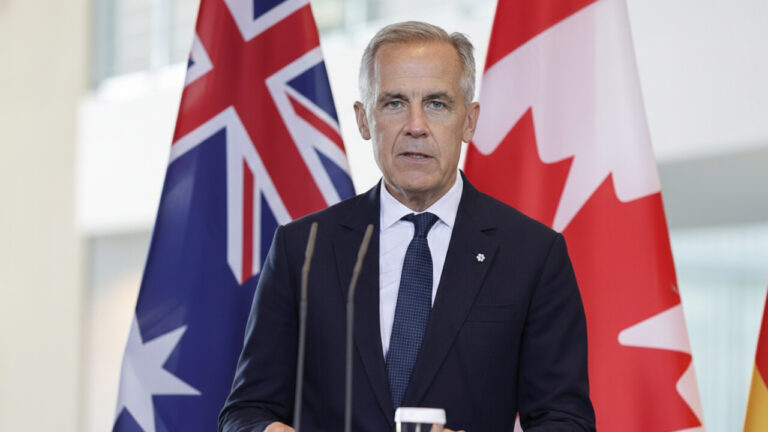
Canada is not sitting idly by while Washington changes the rules of the game every news cycle. Sitting on 1.1 billion tons of the highest-quality potash on earth, Canadian producers are aggressively pivoting toward massive, expanding markets in Brazil and Asia. Nutrien, the world’s largest potash producer, is actually building a new export terminal in Washington state—not to supply the American Midwest, but to ship Canadian fertilizer right past our shores to foreign competitors. As we approach the highly contested 2026 Midterms, this devastating reality is setting in across the heartland.
Farmers, traditionally a bedrock conservative constituency, are facing a projected net income drop of over 30 billion USD in 2026. The ultimate victim of this international shell game is not just the farmer, but the very foundation of the American family’s budget.
The Constitutional Cost of Volatility
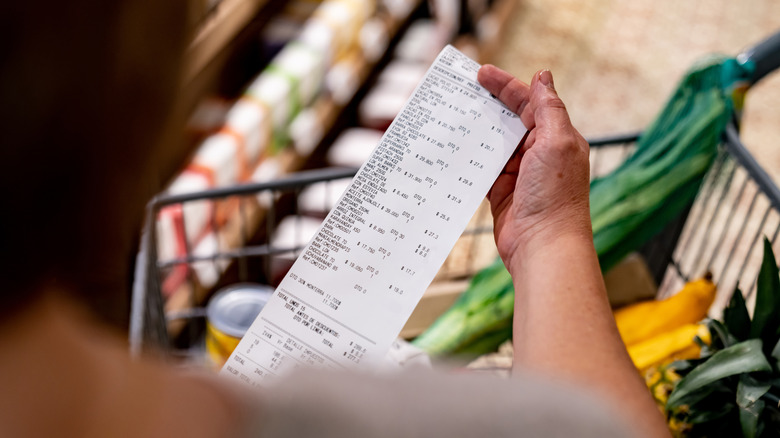
The ripple effects of this erratic trade agenda are already crashing into your local grocery aisle. Consumer inflation has climbed for five consecutive months, now sitting at three percent. Consumer sentiment has plunged to half-century lows, and the broader industrial base is cracking, shedding nearly 50,000 manufacturing jobs this year alone. Farming is not a casino; it requires the liberty to plan, invest, and harvest without the constant looming threat of arbitrary government taxation in the form of tariffs. By weaponizing trade policy against our most reliable partner, the administration is not projecting strength—it is orchestrating a slow-motion crisis that threatens the most fundamental right of every American: the ability to feed their family without relying on government handouts.
Editorial Note: The views and opinions expressed in this article are those of the authors and do not necessarily reflect the official policy or position of any agency or organization. This content is intended to provide diverse perspectives on current events.