
Canada just threatened the ultimate American security shield. While Washington bickers over trade, our closest ally is holding the “Golden Dome” missile defense system hostage, risking a catastrophic blind spot that leaves every American taxpayer footing the bill for a vulnerable northern border.
The Cold War Pact Under Fire
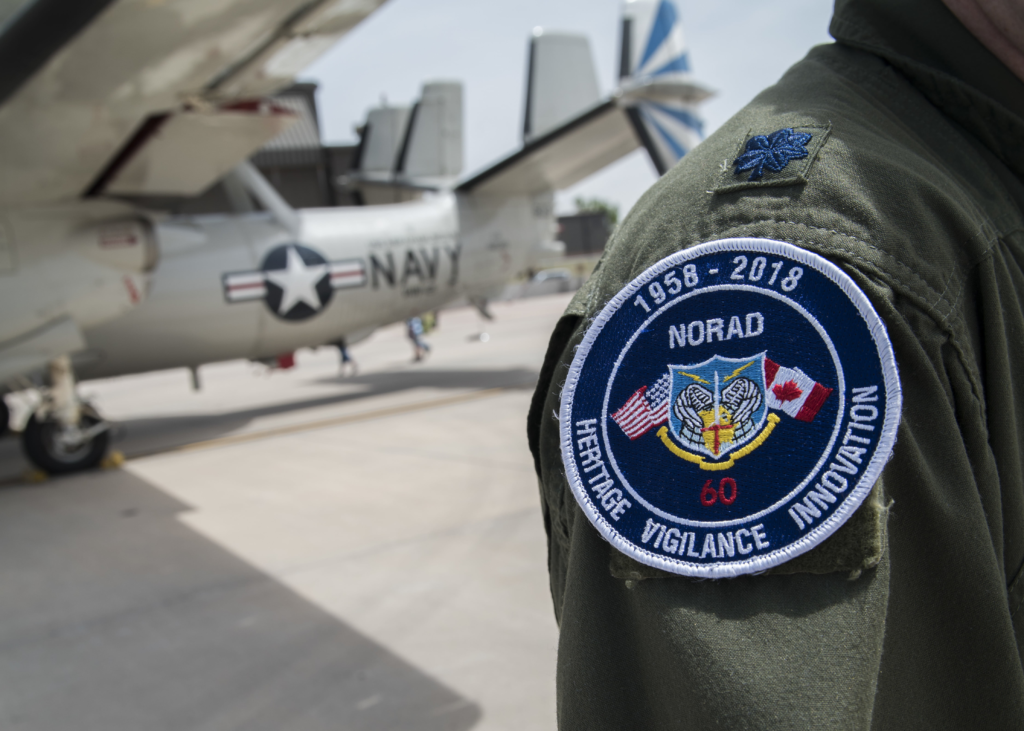
For nearly seven decades, the North American Aerospace Defense Command has stood as the ultimate sentinel of liberty. Forged in 1958, NORAD was a bipartisan triumph, born from the realization that defending the homeland against Soviet nuclear bombers required seamless integration across thousands of miles of unforgiving Arctic airspace. The commander is always an American four-star general; the deputy, a Canadian. It is a sacred pact built on mutual trust and the constitutional mandate to provide for the common defense. Today, however, that historic alliance is cracking in a profoundly public manner. The diplomatic crisis stems from Ottawa’s desperate need to replace its aging fleet of CF-18 Hornets. In 2021, the American-built Lockheed Martin F-35 Lightning II won the formal competition for 88 new jets. But the political winds have shifted violently, and behind closed doors, a far more dangerous game of geopolitical chicken is playing out, and the stakes are nothing less than American sovereignty.
Capitol Hill Reaction to the Fighter Jet Rebellion
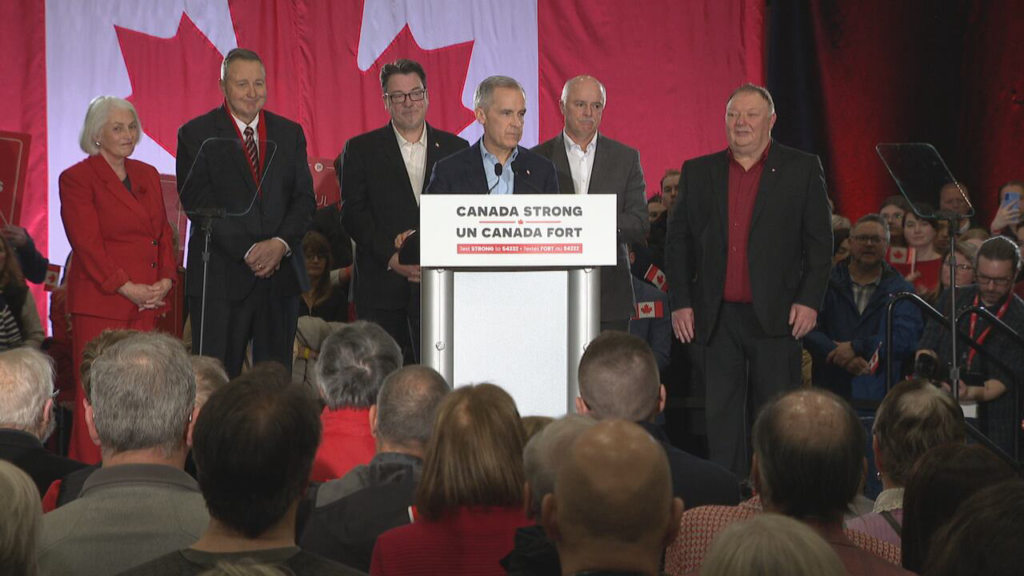
A new Canadian government under Prime Minister Mark Carney has weaponized its procurement strategy. Amid a brutal trade war and rising anti-American sentiment, Ottawa is threatening to abandon the F-35 for the Swedish-built Saab Gripen. Saab is dangling a massive geopolitical carrot: 12,600 Canadian jobs and total domestic control over supply chains. Capitol Hill reaction has been swift and deeply polarized. Republicans champion the hardline stance of the Trump administration, demanding that Canada pay its fair share and stop relying on American innovation for a discount. Democrats, conversely, warn that strong-arming a historic ally will permanently fracture North American unity. The flashpoint arrived when U.S. Ambassador Pete Hoekstra delivered a stark ultimatum on Canadian television, warning that choosing the “inferior” Gripen would force Washington to routinely fly American jets over Canadian soil to cover the capability gap. What Washington did not anticipate, however, was just how aggressively Ottawa was prepared to weaponize America’s own defense strategy against the White House.
The Golden Dome’s Massive Blind Spot
The true leverage in this dispute has nothing to do with fighter jets and everything to do with geography. The Trump administration is aggressively pushing the “Golden Dome,” a cutting-edge missile defense initiative designed to intercept ballistic threats from Russia, China, or North Korea. But there is a glaring geographical reality: the shortest route for a hypersonic weapon aimed at the American heartland runs directly over the North Pole. As former NORAD commander Gen.
Glen VanHerck bluntly admitted, Canada’s greatest asset is its terrain. Ottawa’s Department of National Defense has issued a chillingly conditional response to the Golden Dome, stating they will only participate if the deal benefits them. They are holding the real estate hostage. For the American taxpayer funding this multi-billion-dollar shield, the realization is chilling: the system is functionally paralyzed without a northern partner.
White House Policy and the Tariff War
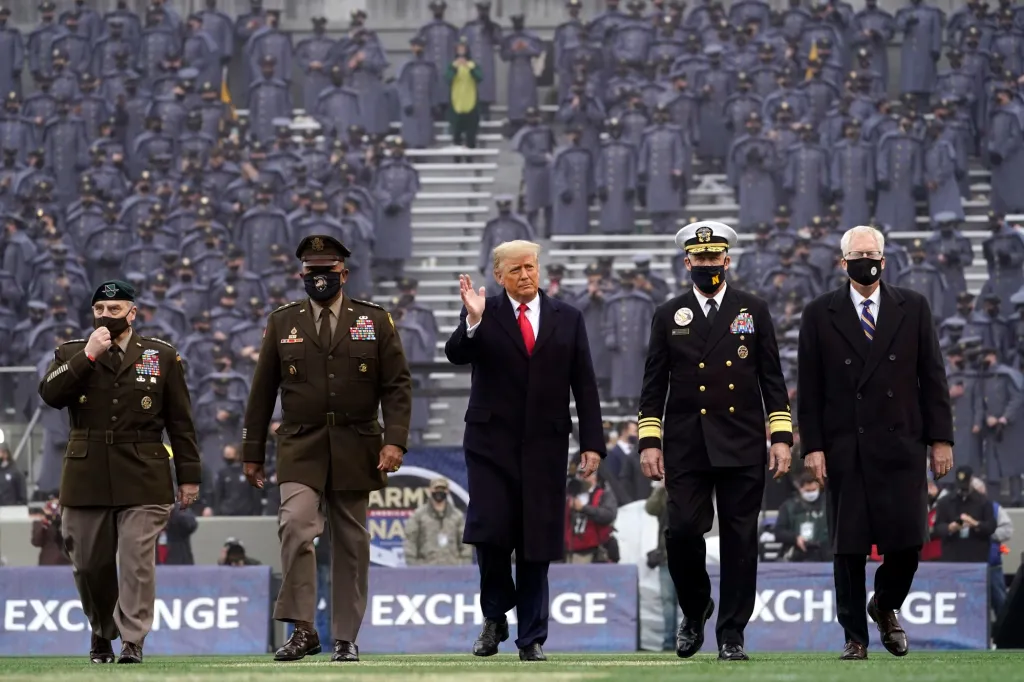
President Donald Trump is attacking the issue with his trademark transactional fury. He views Canada’s flirtation with the Swedish Gripen as a direct betrayal, especially as Washington pushes Ottawa to meet NATO’s two percent GDP defense spending target. The White House policy is clear: if Canada refuses to buy American hardware, they forfeit American protection. The administration has slapped tariffs on Canadian goods, attempting to squeeze Ottawa into submission. Yet, this heavy-handed strategy is backfiring violently. Almost 70 percent of Canadians now harbor reservations about the F-35, viewing the purchase not as a defense necessity, but as capitulation to an American occupation. Yet, as the 2026 Midterms loom, this heavy-handed approach threatens to trigger a domino effect that extends far beyond the snowy borders of our northern neighbor.
A Global Revolt Against American Hardware
Canada is not an isolated case. Across the Atlantic, Denmark—a vital NATO ally—is publicly expressing regret over deploying F-35s to Greenland, warning Ottawa to seek alternatives. This signals a terrifying trend for the American defense industry: Western democracies are actively exploring ways to sever their reliance on U.S. military supply chains. Canada has committed 28.3 billion USD to modernize NORAD over the next two decades, proving they are not abandoning the alliance entirely.
But integrating the Swedish Gripen with American data links and defense grids presents a logistical nightmare. The ultimate question is whether the United States military apparatus can even function alongside a partner that refuses to plug into its digital matrix.
What This Means for the American Taxpayer
The hard truth is that America’s security perimeter is shrinking. If Canada successfully asserts its military independence, the United States will be forced to shoulder the entire financial and logistical burden of Arctic deterrence. This is no longer just a diplomatic spat over airplanes; it is a fundamental renegotiation of what it means to be an American ally in the modern era. The U.S. military cannot secure the homeland without the northern frontier, and if Washington and Ottawa cannot find common ground, American taxpayers will be forced to fund a fractured, vulnerable defense network while the enemies of liberty watch the skies with eager anticipation.
Editorial Note: The views and opinions expressed in this article are those of the authors and do not necessarily reflect the official policy or position of any agency or organization. This content is intended to provide diverse perspectives on current events.