
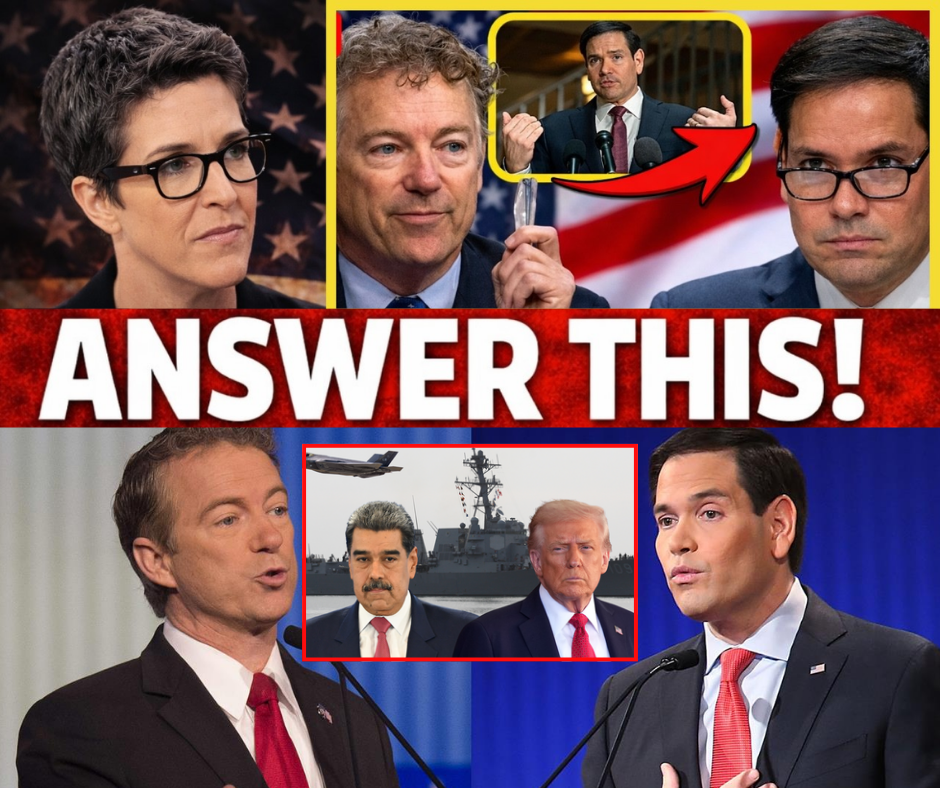
A quiet admission in a Capitol Hill hearing room just rewrote the rules of American war. While taxpayers foot the multi-million USD bill for surgical strikes abroad, the executive branch just gave itself a terrifying blank check that bypasses your elected representatives entirely.
The Universal Test That Broke the State Department
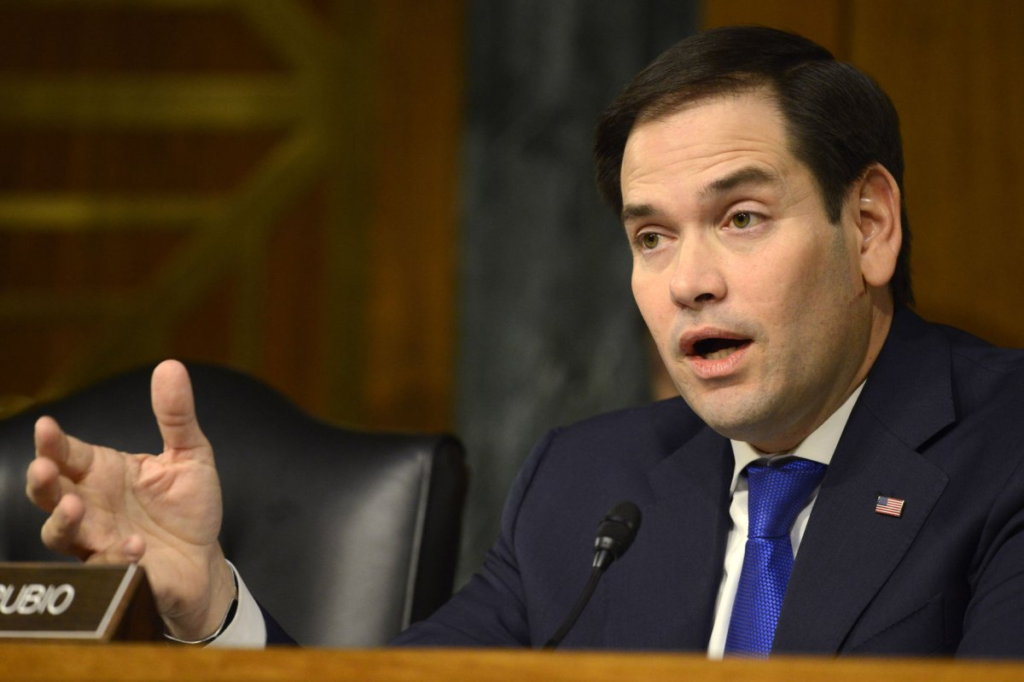
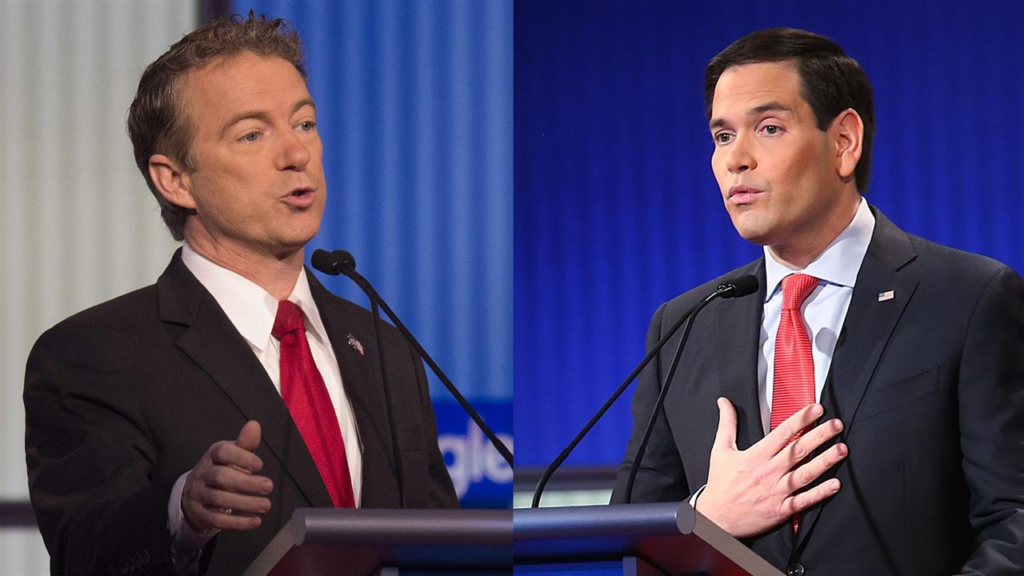
Senator Rand Paul walked into that committee room wielding a weapon far sharper than partisan rhetoric: a logically airtight constitutional test. He looked Secretary of State Marco Rubio in the eye and asked a devastatingly simple question. If a foreign power bombed American air defense systems, captured the President of the United States, dragged him across borders, and imposed a naval blockade off our coast, would we call it an act of war? The room fell dead silent. This was not a Democrat attacking a Republican White House policy. This was a member of the president’s own coalition demanding fidelity to the founding architecture of our republic. Rubio was forced to admit the hard truth. Yes, it would be war. But the true danger lies in what this means for the next time the Commander-in-Chief decides to pull the trigger.
A Four-Hour War and the Drug Bust Ruse
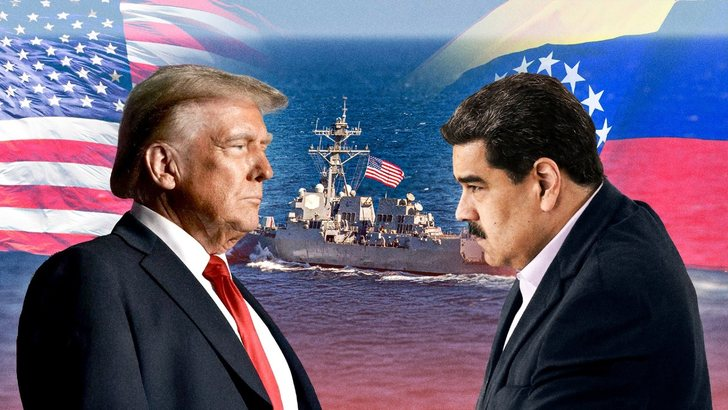
The Trump administration executed a highly kinetic military operation in Venezuela. They dismantled air defenses, extracted Nicolas Maduro by force, and blockaded the coastline. The entire mission took exactly four and a half hours. The administration told Congress this was not a war requiring a constitutional vote. They branded it a law enforcement operation, a glorified drug bust against an indicted trafficker. Rubio leaned heavily on these technicalities, citing the brief duration and the miraculous zero-casualty count. He argued that because the United States does not recognize Maduro’s legitimacy, the standard rules of engagement do not apply. Yet, as the interrogation deepened, the facade began to crack, revealing a terrifying new legal doctrine.
The Capitol Hill Reaction to Unchecked Executive Power
Paul ruthlessly exposed this framing as a constitutional ruse. He reminded the committee that the War Powers Clause is not a mere suggestion; it is the absolute bedrock of American liberty. The founders explicitly designed our government to prevent a single executive from dragging an entire nation into a foreign conflict based on personal judgment or fleeting national interest. If the executive branch can unilaterally rebrand a bombing campaign as a law enforcement action, the legislature becomes nothing more than a spectator. The Capitol Hill reaction to this precedent should send shockwaves through every district in the nation, as it strips voters of their voice in matters of life and death. And that is exactly where the constitutional nightmare truly begins for the American taxpayer.
Casualties, Vietnam, and the Shifting Goalposts
The administration’s internal Office of Legal Counsel opinion relied heavily on the absence of casualties to justify bypassing Congress. Paul’s rebuttal was chilling. He noted that the 58,000 Americans who bled and died in the jungles of Vietnam might be enough for Washington to officially recognize a war, but if Congress must wait for a body count to determine the scope of hostilities, the war has already begun. By the time the body bags return home—flown thousands of miles back to US soil—Congress is no longer authorizing a conflict; they are merely funding its continuation with your tax dollars. The distinction is not semantic. It is the razor-thin line between a republic and an empire.
Bipartisan Danger Ahead of the 2026 Midterms
This executive overreach is not confined to one political party. The precedent established in Venezuela will be inherited by every future president, Republican or Democrat. As we barrel toward the 2026 Midterms, voters must realize that this expanded authority is a blank check. If a foreign leader’s disputed legitimacy is all it takes to launch a surgical strike, what stops the global community from applying that same standard to the United States? Democratic and Republican politicians alike have publicly questioned the legitimacy of American elections. If domestic political disputes become an international green light for military intervention, the American homeland is inherently at risk. The door has been opened, and what walks through it next will change the republic forever.
The Might-Is-Right Doctrine
Rubio ultimately retreated to the oldest defense in the imperial playbook: national interest. He argued that America will always protect itself, a sentiment no patriot denies. But national interest is not a legal standard; it is a political justification used by every adversary from Beijing to Moscow. When the Secretary of State essentially admits that the US acts simply because it has the power to do so, and layers legal jargon over the wreckage after the fact, we abandon the Constitution. Paul pointed out that this is structurally identical to the International Criminal Court attempting to indict allied leaders. It is a doctrine of might making right.
What This Means for the American Republic
The mask has slipped. We are witnessing the normalization of unilateral executive war-making. If senators accept that a multi-million USD military invasion lasting under five hours bypasses the Constitution, the separation of powers is dead. Future administrations will point to Venezuela as the ultimate loophole. This is how liberty dies—not with a dramatic rupture, but through accumulated precedents that slowly suffocate the rights of the American voter. The question Senator Paul raised is not going away. It will define the future of White House policy and the very survival of our constitutional safeguards.
Editorial Note: The views and opinions expressed in this article are those of the authors and do not necessarily reflect the official policy or position of any agency or organization. This content is intended to provide diverse perspectives on current events.