
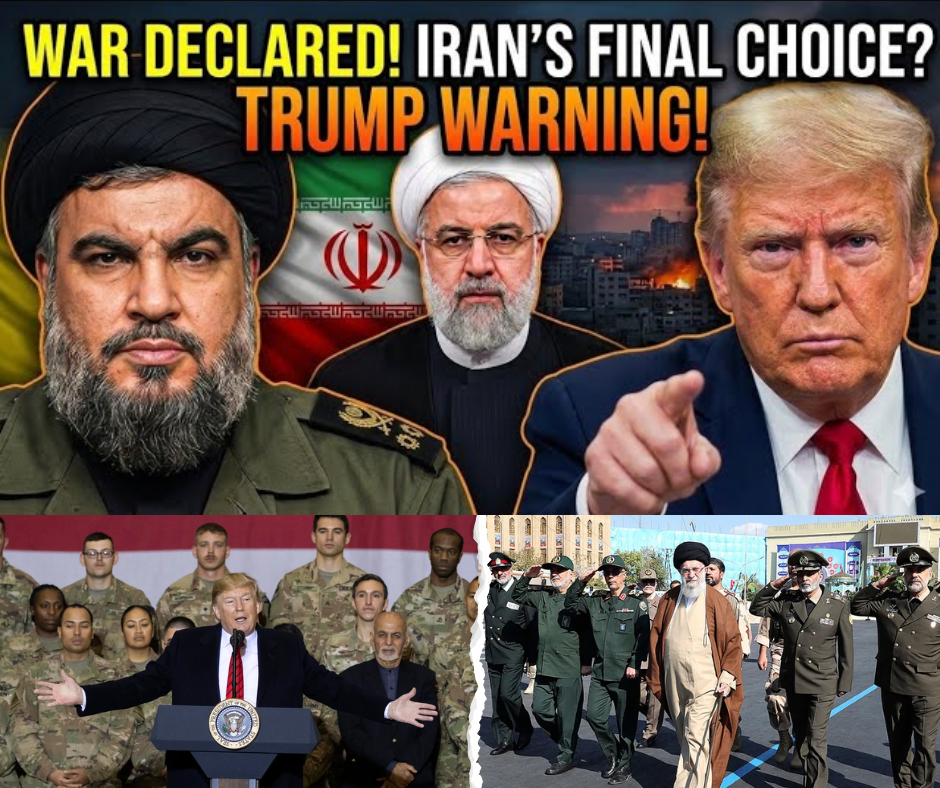
Middle East on the Brink: A Coordinated Iran–Hezbollah Strike and the Global Shockwave
The skies over the Middle East are no longer metaphorically dark—they are physically lit by interceptors, rockets, drones, and ballistic missiles. What unfolded overnight marks one of the most dangerous escalations in the modern history of the region: a coordinated, large-scale attack involving Iran and Hezbollah against Israel. If confirmed at full scale, this is not another limited exchange. It represents the open rupture of a decades-long shadow war.
For years, analysts warned of a “ring of fire” strategy—arming non-state actors around Israel while Tehran maintained plausible deniability. That doctrine now appears to have shifted. Instead of relying solely on proxies, Iran has allegedly joined the battlefield directly, launching drones and missiles in tandem with Hezbollah’s heavy rocket barrages from Lebanon. This would signal a historic turning point: the end of strategic ambiguity and the beginning of overt confrontation.
From a military standpoint, the logic is chillingly clear. Hezbollah’s short- and medium-range rockets from the north force Israel to engage in close-range defense and potential ground operations along the Lebanese border. Simultaneously, long-range Iranian systems—cruise missiles flying low to evade radar, ballistic missiles arcing high before descending at extreme speeds, and waves of inexpensive drones—aim to saturate Israel’s multi-layered air defense network. The goal is not necessarily total destruction, but overload: exhaust interceptor stockpiles, create psychological pressure, and puncture the perception of invulnerability surrounding systems like Iron Dome, David’s Sling, and Arrow.
For Israeli civilians, the strategy translates into sirens, shelters, and sleepless nights. For families in southern Lebanon, it means retaliatory airstrikes, collapsing infrastructure, and renewed displacement. The human dimension is often lost in strategic analysis, but it is central to the calculus. War planners understand morale is a battlefield. Sustained fear can alter political decision-making as effectively as battlefield losses.
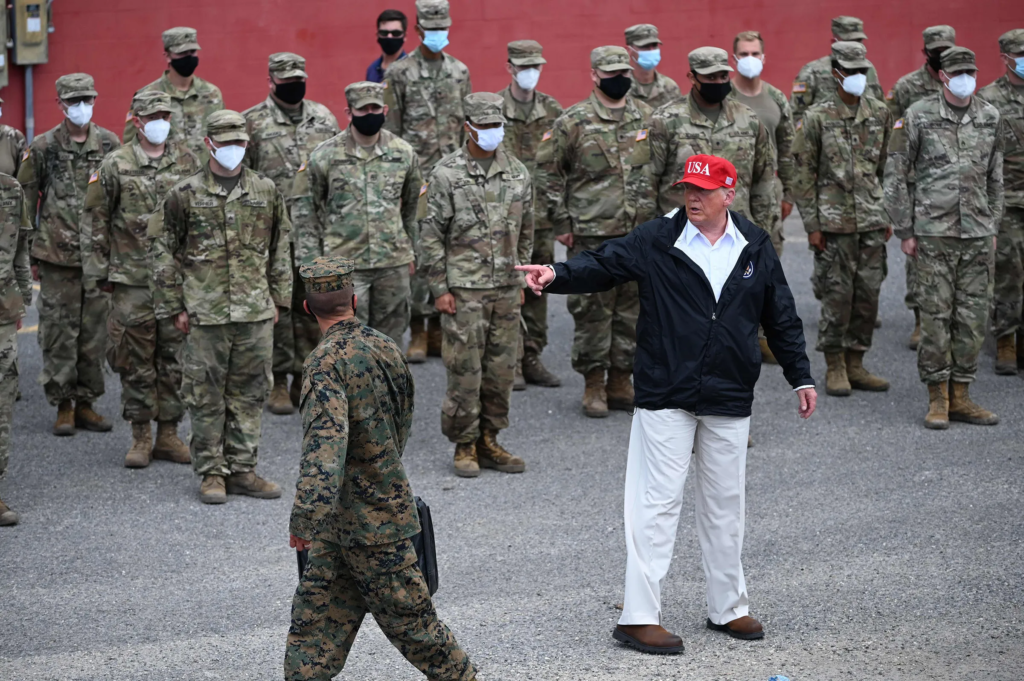
Washington is watching closely—and moving. Historically, U.S. commitments to Israel have included both political backing and rapid military support in crises. Reports of American naval assets repositioning toward the Eastern Mediterranean are consistent with past patterns of deterrence signaling. Aircraft carriers are not just weapons platforms; they are geopolitical messages. The question is whether deterrence will contain the escalation or unintentionally widen it.
If U.S. forces become directly involved, the conflict shifts from a regional war to a global flashpoint. Iran’s network extends beyond Lebanon—to militias in Iraq and Syria, to the Houthis in Yemen, and to maritime pressure points near the Strait of Hormuz. Energy markets react to such risk almost instantly. Even the perception of instability near major oil transit routes can send prices upward, affecting gasoline costs, shipping, food prices, and inflation in American households thousands of miles away.
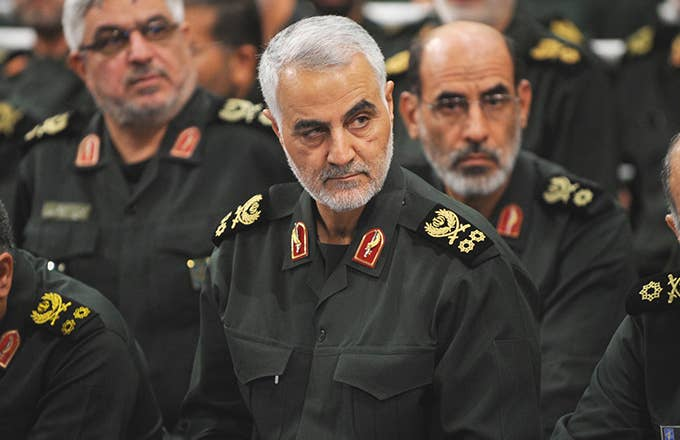
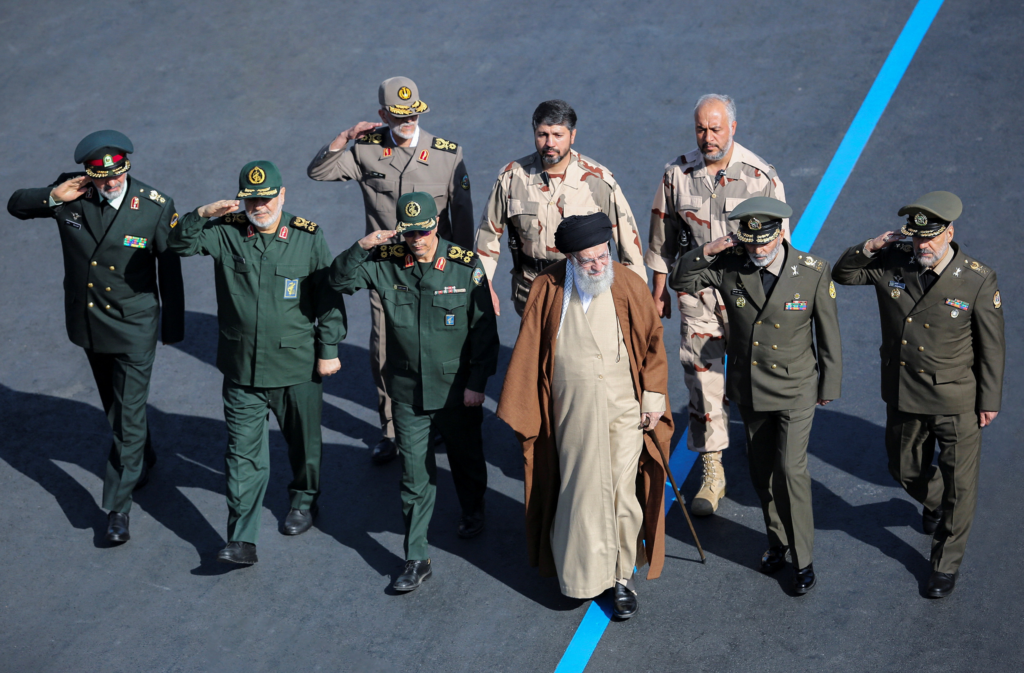
From Tehran’s perspective, this may be a calculated gamble. Iran cannot easily defeat Israel in a conventional war, especially with potential U.S. involvement. But it can attempt a war of attrition—bleeding resources, testing political will, and reshaping the regional balance. By coordinating with Hezbollah, Iran forces Israel to divide attention and matériel across multiple fronts. Yet this strategy carries enormous risk. Israel’s doctrine emphasizes decisive retaliation to restore deterrence. That could mean expanded air campaigns, cyber operations, targeted strikes deep inside Lebanon—or potentially beyond.
The historical parallel many American strategists quietly consider is 1973. The Yom Kippur War began with a coordinated surprise attack that challenged Israeli intelligence assumptions and nearly drew superpowers into direct confrontation. Today’s environment is even more complex. Non-state actors possess precision-guided munitions. Drones democratize air power. Social media accelerates panic and misinformation. And nuclear-armed states stand behind the curtain.
The most dangerous variable now is escalation control. If Israel strikes Iranian territory directly, Tehran faces pressure to respond in kind. If civilian casualties mount in Lebanon, regional actors may be pulled in by public opinion and political necessity. Jordan, Egypt, and Gulf states watch nervously, wary of spillover instability. Commercial airspace closures and shipping reroutes are early indicators of how quickly local war becomes global disruption.
For American audiences, the stakes are not abstract. U.S. troops are stationed across the Middle East. Energy markets are interconnected. Alliances are tested in moments like this. A wider conflict could force hard choices in Washington: expand military involvement, push aggressively for diplomacy, or attempt a hybrid approach of deterrence and de-escalation.
Diplomats are undoubtedly working phones behind closed doors. Yet history shows that once large-scale exchanges begin, momentum develops its own logic. Leaders must weigh credibility, deterrence, domestic politics, and alliance commitments simultaneously. One miscalculated strike or misinterpreted signal can widen the war beyond anyone’s original intent.
The coming days will reveal whether this was a contained but intense confrontation or the opening act of a broader regional war. Israel has demonstrated both defensive resilience and willingness to respond forcefully. Iran has demonstrated capacity and coordination beyond previous thresholds. Hezbollah has signaled readiness to escalate despite the cost to Lebanon.
The world stands at a narrow crossroads. The balance between deterrence and catastrophe has rarely been thinner. Whether cooler heads prevail or the cycle of retaliation accelerates may define not only the Middle East’s trajectory—but the global order for years to come.