
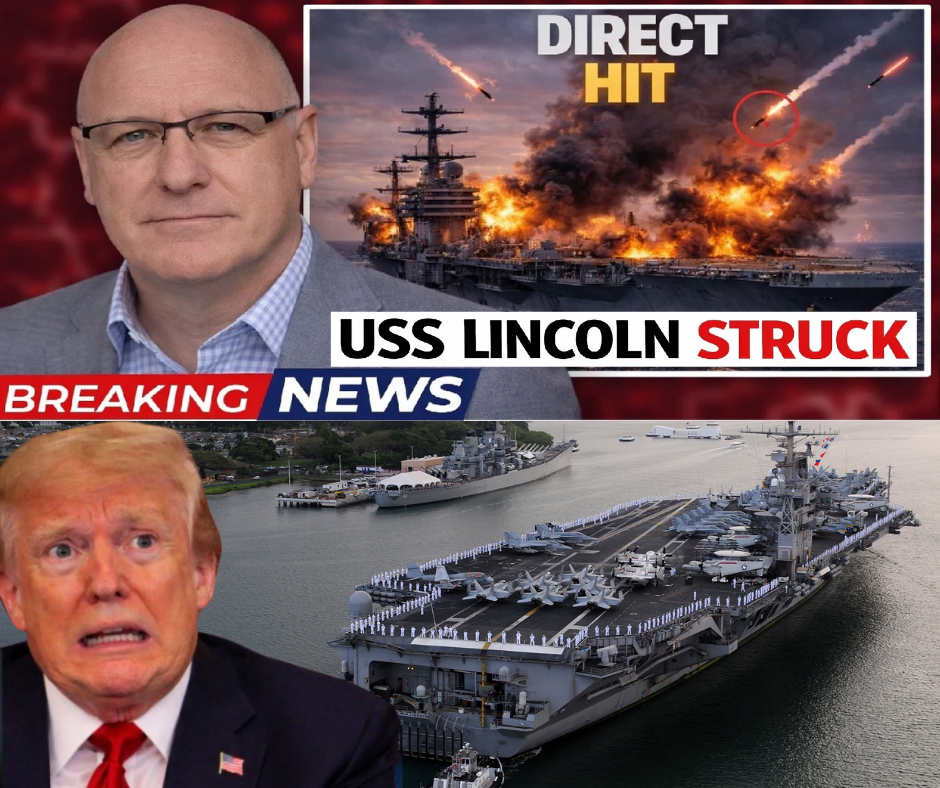
The unthinkable has happened. The USS Abraham Lincoln, a multi-billion-dollar floating fortress funded by your tax dollars, has been struck in the Persian Gulf. This isn’t just a military crisis; it is a catastrophic wake-up call for the American taxpayer that our illusion of invincibility is over.
The Day the Shield Cracked
For decades, the doctrine of the United States Navy was built on a singular, unquestioned assumption: an American nuclear aircraft carrier does not get hit. Carrier strike groups are fortified by layered defenses, radar systems scanning hundreds of miles, interceptor missiles, and electronic warfare. They are the ultimate projection of our constitutional republic’s power, designed to ensure that the carrier stays entirely untouched. That assumption died in the Persian Gulf. Early reports confirm the USS Abraham Lincoln was struck in a coordinated, multi-vector saturation attack. High-altitude ballistic missiles plummeted at extreme speeds while low-altitude drones slipped beneath radar coverage. They did not defeat the system by breaking one layer; they overwhelmed all of them simultaneously. But as the smoke clears over the turbulent waters of the Middle East, a chilling realization is setting in at the Pentagon: the next wave of advanced weaponry might already be in the air.
A Saturation Strike on the American Taxpayer
This is a structural break in global security. Aircraft carriers are not merely warships; they are 100,000-ton behemoths of sovereign American territory, costing upwards of ten billion USD to build and millions daily to operate.
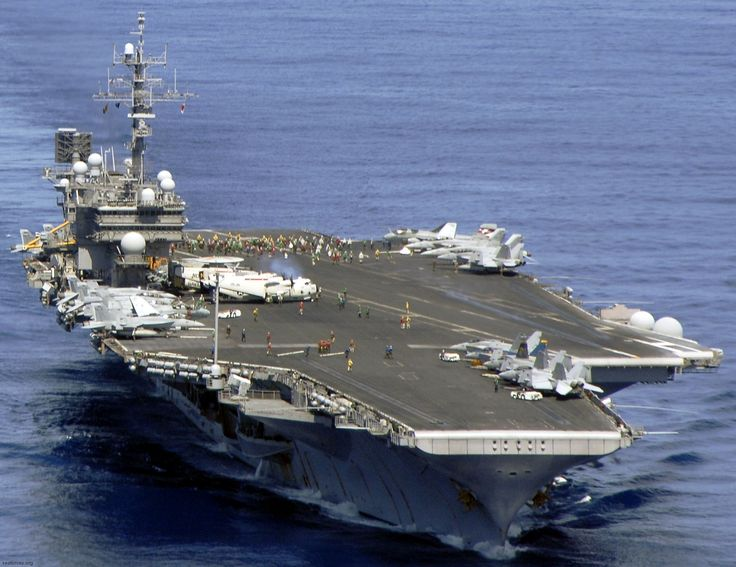
When a carrier is penetrated, the American taxpayer’s investment in global deterrence is directly challenged. The defensive systems worked, interceptors launched, and targets were tracked. Yet, beneath the pressure of different speeds and trajectories, a window opened. The ship did not sink, thanks to the heroic, split-second damage control of American sailors who contained the flooding and suppressed the fires. But the fact that cheap drones or missiles slipped through our multi-billion-dollar shield demands immediate financial and strategic accountability from the unelected bureaucrats in Washington.
Capitol Hill Reaction and the Partisan Divide
The Capitol Hill reaction has been explosive, fracturing along predictable but intense partisan fault lines. Republicans are demanding immediate, overwhelming retaliation, arguing that a failure to escalate projects weakness and emboldens our enemies. They view this strike as a direct consequence of a hollowed-out military posture, demanding a return to “peace through strength” to protect American liberty abroad. Democrats, conversely, are urging caution and containment. Their perspective centers on diplomatic leverage, stabilizing global energy markets, and avoiding a wider regional war that could drag American troops into another endless Middle Eastern quagmire. Yet, behind the closed doors of the Situation Room, military planners are grappling with a terrifying new math that could redefine global warfare overnight.
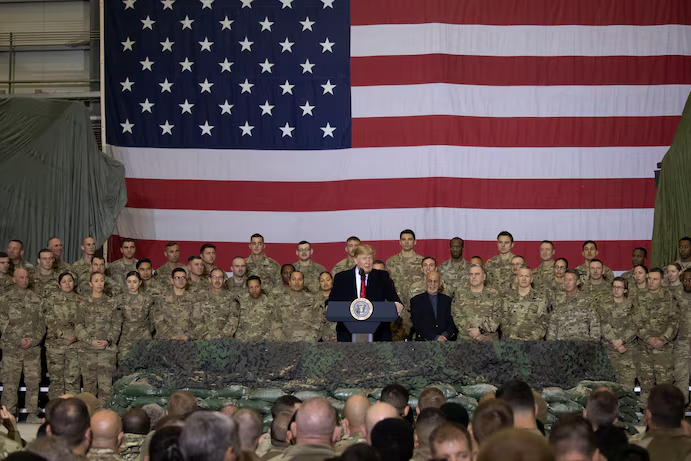
White House Policy Under Fire
In the absence of a full operational breakdown, White House policy has defaulted to a familiar pattern of tightly controlled information. Carefully worded statements and partial timelines are being deployed to manage public perception. If the administration admits the carrier was successfully penetrated, it reinforces vulnerability. If they insist it remains fully operational without acknowledging the breach, they risk downplaying a historic threat. This tightrope walk is not just about national security; it is about political survival in an increasingly volatile global theater.
The Geopolitical Ripple Effect
The implications extend far beyond the structural integrity of the USS Abraham Lincoln. When a carrier arrives in a region, it signals to allies that they are protected and warns adversaries not to escalate. If that credibility weakens even slightly, the global order shakes. Beijing, Moscow, and Tehran are analyzing this real-world data, realizing that saturation attacks scale. More drones and more missiles mean more pressure. Simultaneously, international shipping routes and energy markets are bracing for impact, knowing that unpredictability in the Persian Gulf directly translates to higher gas prices and inflation for everyday Americans. If the American public realizes the full extent of this vulnerability, the political fallout will be as devastating as the physical impact on the ship’s hull.
2026 Midterms: The Cost of Deterrence
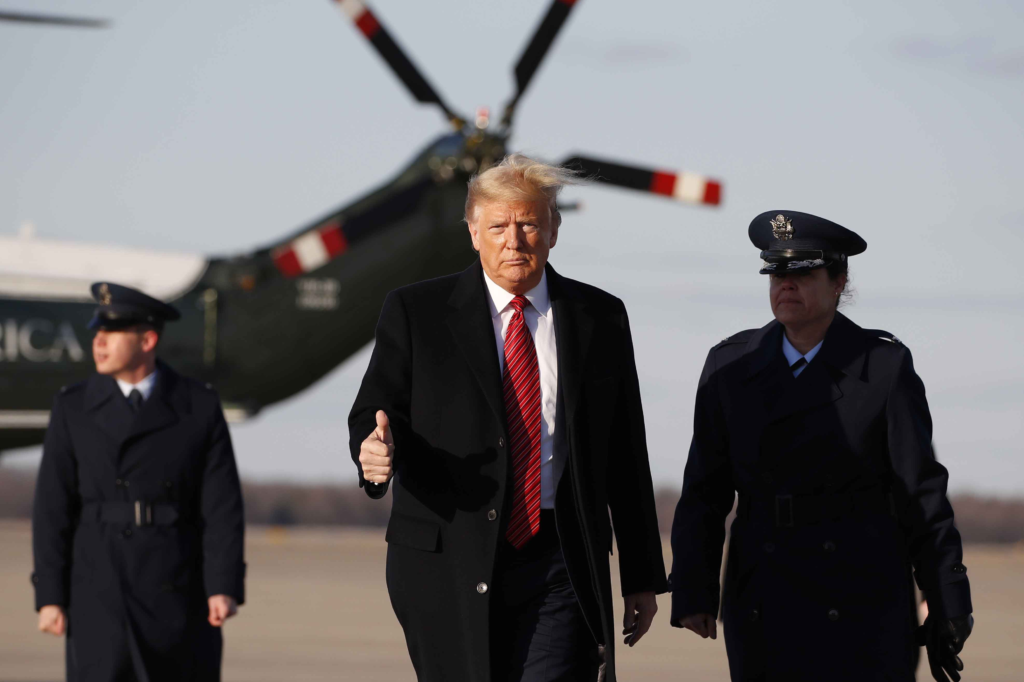
As we approach the 2026 Midterms, this unprecedented incident will inevitably dominate the campaign trail. Voters are already stretched thin by domestic economic strain. Now, they must confront the reality that the massive defense budget they finance may require a fundamental, costly overhaul. Will politicians demand more independent capabilities and layered defenses, or will they push to scale back our reliance on these massive, floating symbols of power? The electorate will demand transparency about where their money is going and whether the current military paradigm can actually keep the homeland safe.
The Constitutional Duty to Respond
The United States stands at a precipice. The executive branch faces a choice that will define an era. Escalation restores deterrence but risks a broader conflict; containment stabilizes the immediate threat but may invite relentless future testing. As citizens of a republic founded on liberty, transparency, and resilience, Americans deserve the hard truth. The baseline has permanently changed. The era of the untouchable aircraft carrier is over. What happens next is no longer just a tactical military question; it is a profound test of American resolve, ingenuity, and our constitutional duty to secure peace in a world that just witnessed our shield crack.
Editorial Note: The views and opinions expressed in this article are those of the authors and do not necessarily reflect the official policy or position of any agency or organization. This content is intended to provide diverse perspectives on current events.