

The Department of Justice just quietly reallocated $127 million of your tax dollars to protect political allies and punish rivals. Now, Attorney General Pam Bondi is being dragged before the Senate under penalty of perjury, and the internal documents exposing this scheme will shake the Republic.
A Constitutional Crisis in the Making
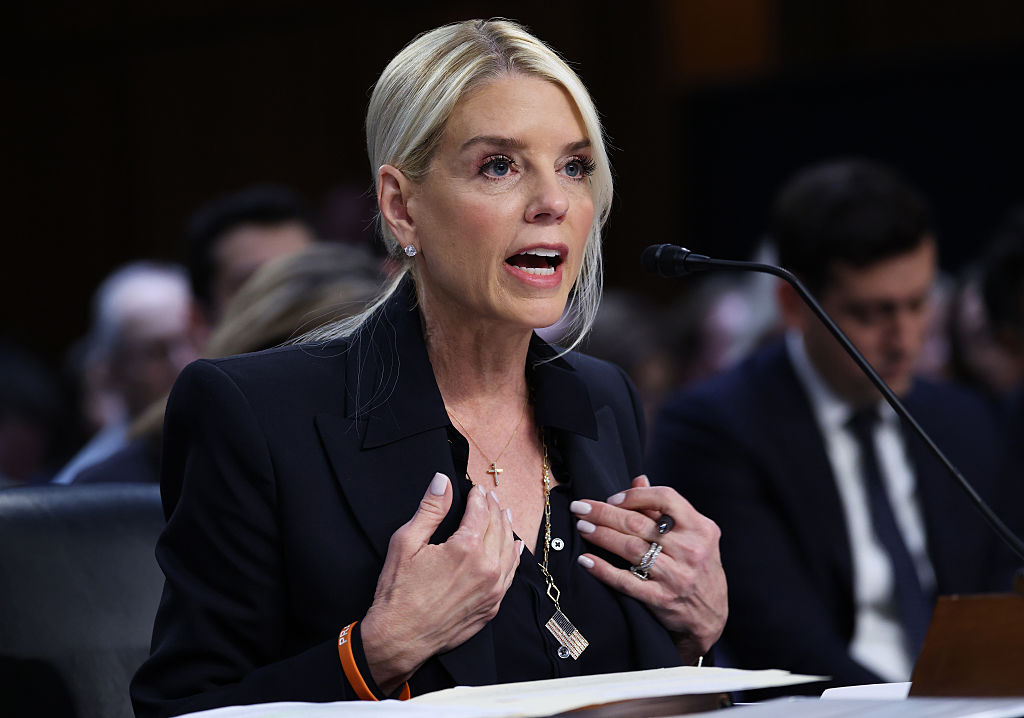
For the first time since the dark days of Watergate in 1974, a sitting Attorney General is being compelled to testify before Congress under penalty of perjury. This is not a voluntary press conference or a negotiated fireside chat. Senate Democrats have invoked a rarely used procedural mechanism to force Pam Bondi to raise her right hand and answer for 89 pages of explosive internal memos obtained via congressional subpoena. The documents paint a chilling picture of a two-tiered justice system, detailing how 23 career prosecutors were abruptly reassigned or terminated between January 2025 and February 2026. These were not random administrative shifts; these prosecutors were specifically working on cases involving individuals with documented ties to the current administration. But what the documents actually reveal goes far beyond standard partisan bickering—it points directly to a hidden system of justice that demands an answer.
The Case Prioritization Matrix
Buried deep on page 62 of the committee’s filing is Exhibit F, an internal communication that should send a shiver down the spine of every American who values equal protection under the law. It outlines a “Case Prioritization Matrix” that ranks ongoing federal investigations not by severity, evidence, or public threat, but by political sensitivity. The matrix is literally color-coded: red cases involving administration allies are marked to “handle with discretion,” while green cases targeting opposition figures are flagged to “expedite.” The financial paper trail verifies the scheme. Within a tight 73-day window, a staggering $127 million in combined investigative resources was reallocated to match this political matrix. Seven ally cases were downgraded to inactive review, while eleven opposition cases were suddenly elevated to priority status. While the sheer volume of redirected cash is staggering, it is the paper trail left by furious career officials that truly damns the department’s defense.
Whistleblowers and Inconvenient Timing
The dam broke when career officials realized the internal watchdog processes had utterly failed. Four former DOJ officials have agreed to testify, including a 17-year veteran who resigned in disgust last November. According to the filings, this Deputy Assistant Attorney General was explicitly instructed to deprioritize an investigation into federal contracting irregularities simply because “the timing was inconvenient.” Furthermore, the committee has obtained contemporaneous notes from a senior DOJ official quoting Bondi herself, stating that cases touching “principal allies” require her personal review before charging decisions. This shadow operation bypassed official documentation entirely, utilizing what the committee calls “informal coordination pathways” across 31 emails between DOJ leadership and White House counsel. As the evidence of a shadow docket mounts, the partisan war machine is revving up, setting the stage for a constitutional collision that could dictate the next election cycle.
Capitol Hill Reaction and the Partisan Divide
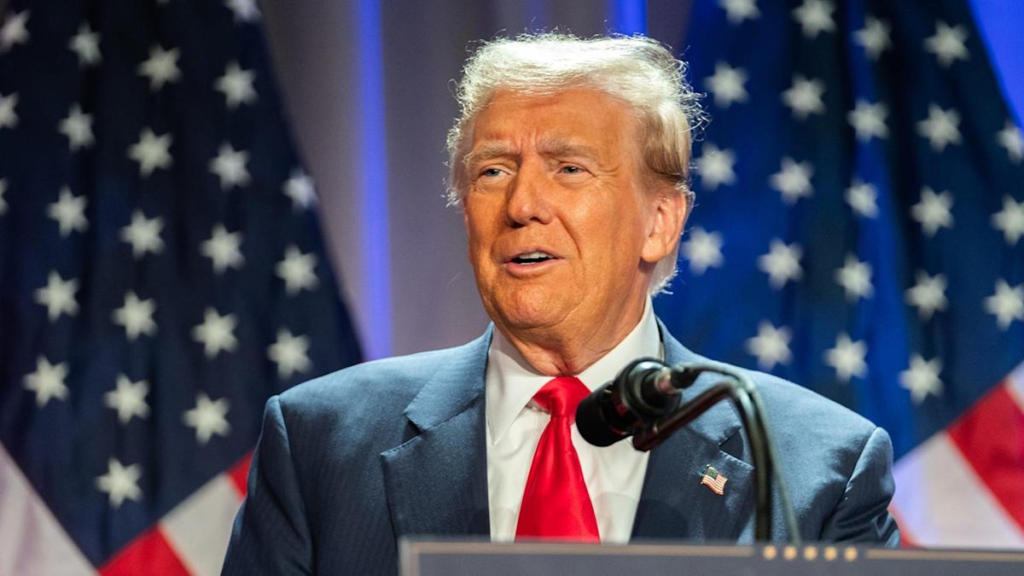
The Capitol Hill reaction has been predictably explosive, though the arguments on both sides carry constitutional weight. Republicans are slamming the subpoena as a weaponized fishing expedition designed to inflict maximum damage ahead of the 2026 Midterms. They argue that every administration exercises prosecutorial discretion—prioritizing certain cases over others is a matter of resource management, not necessarily corruption. Furthermore, stripping a cabinet official of executive privilege threatens the very separation of powers that acts as the bedrock of American liberty. Democrats counter that executive privilege does not shield the executive branch from legitimate oversight regarding potential misconduct, a stance validated by an Obama-appointed federal judge who denied Bondi’s emergency motion to quash the subpoena. Yet, while Washington elites argue over executive privilege, the true victims of this institutional decay are the everyday Americans footing the bill.
The $127 Million Taxpayer Burden
When White House policy infects the blindfold of justice, the American taxpayer directly subsidizes the corruption. The $127 million in reallocated resources is not abstract Washington math; it is your money. By downgrading cases like federal contracting fraud, the government is leaving billions of dollars in potential recoveries on the table.
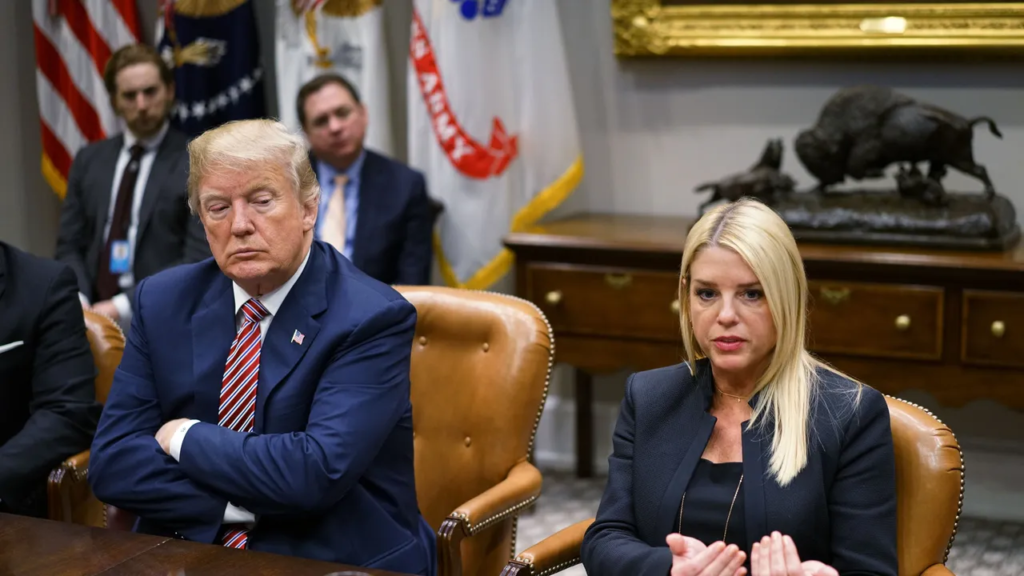
False Claims Act cases historically return three to five dollars for every taxpayer dollar spent prosecuting them. If a small business owner is defrauded by a well-connected federal contractor, this new matrix suggests their pursuit of justice could be quietly suffocated because the defendant knows the right people. It compromises the entirety of federal enforcement, from civil rights to healthcare fraud. The consequences of this selective enforcement are already bleeding into the public square, and a disastrous television appearance just handed Senate investigators the ultimate weapon.
A Fatal PR Blunder and the Looming Deadline
Instead of maintaining strategic silence while her legal team fought the subpoena, Bondi appeared on Fox News Wednesday morning, claiming she was being targeted by the “swamp” simply for doing her job. By making definitive public claims about her conduct, she has gifted prosecutors a permanent public record to contrast against her upcoming sworn testimony. Any deviation between her television bravado and her statements under oath is a direct roadmap to a perjury trap. The clock is now running out. With oral arguments on her emergency stay scheduled at the DC Circuit for Monday, March 23rd, and the Senate Judiciary hearing looming on Thursday, March 26th, the walls are closing in. A second whistleblower has just stepped forward to the Inspector General, proving the leaks are coming from inside the building. The American people are about to find out if the highest law enforcement officer in the land is a guardian of the Constitution, or merely an enforcer for the political elite.
Editorial Note: The views and opinions expressed in this article are those of the authors and do not necessarily reflect the official policy or position of any agency or organization. This content is intended to provide diverse perspectives on current events.