
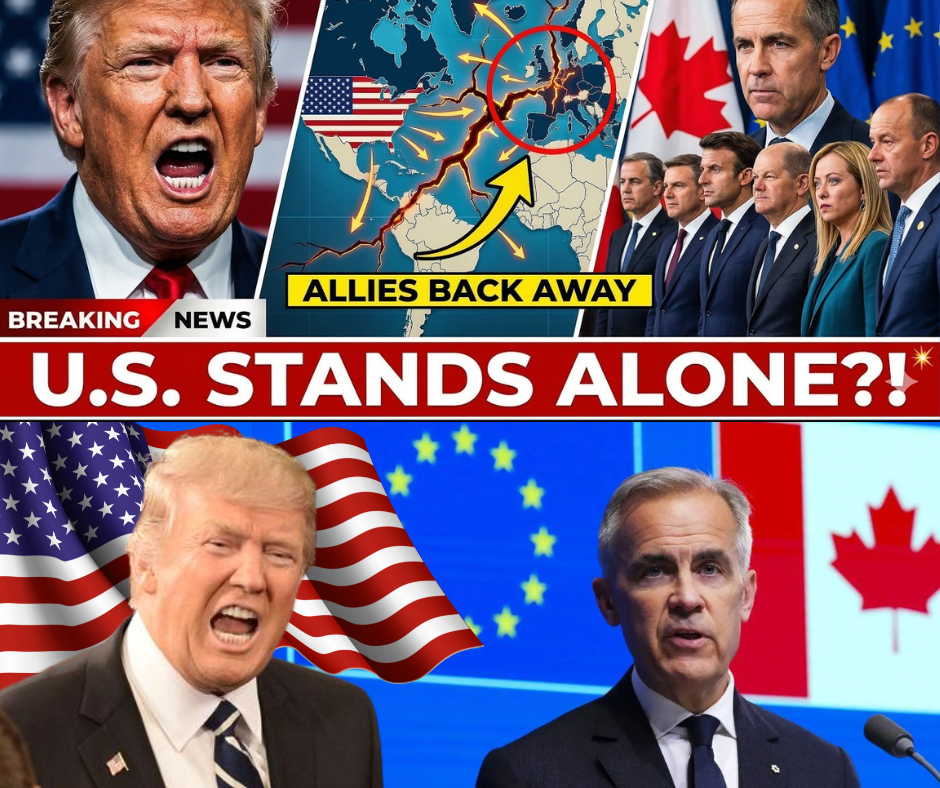
In just 72 hours, an unprovoked Middle East excursion shattered seventy years of American alliances, leaving the US taxpayer to foot a bleeding 1.3 billion USD weekly bill. As gas prices surge toward four dollars a gallon, voters are waking up to a terrifying reality: Washington is completely alone.
A Constitutional Crisis on the World Stage
The foundation of our republic relies on the checks and balances enshrined in the Constitution, yet the current White House policy resembles the unilateral dictates of a monarch rather than the measured strategy of a commander-in-chief. Launching the largest military operation in the Middle East since Iraq without consulting Congress or our longstanding international partners has triggered a profound crisis. Our allies were kept entirely in the dark. The moment the first salvos hit Iran, the bedrock of Western security fractured. What followed was a spectacle of global isolation that threatens the very fabric of our national defense. But the true danger is what happens when the dust settles and the invoices come due.
The 72-Hour Diplomatic Freefall
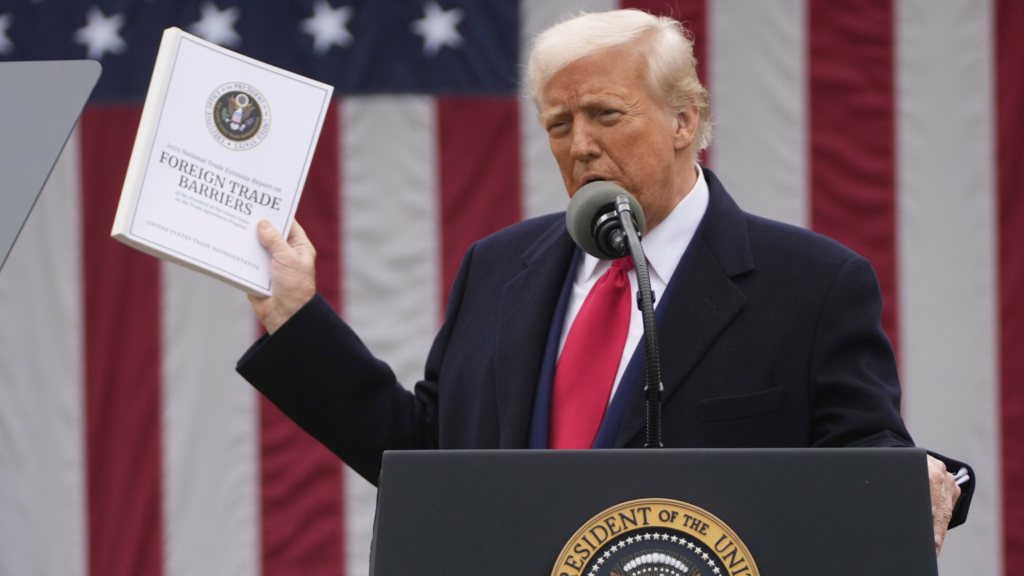
The sequence of events reads like a tragicomedy of diplomatic errors. Initially, the administration declared the Iranian threat decapitated, assuring the American public of a swift, painless victory. When the Strait of Hormuz abruptly closed and oil skyrocketed past 100 USD a barrel, the narrative violently shifted. The Oval Office issued an urgent plea to NATO and Asian allies, demanding warships to escort vulnerable oil tankers. The rejection was absolute. From Berlin to Ottawa, the message was deafeningly uniform. Canada’s foreign minister declared they had no intention of participating. Germany reminded Washington that NATO is a defensive alliance, not a tool for unilateral intervention. Faced with total humiliation, the president executed a whiplash-inducing reversal. Within exactly forty-eight hours, the demand for foreign warships morphed into a bizarre declaration: “We do not need the help of anyone.” Yet, beneath this bluster lies a vulnerability that enemies of liberty are already moving to exploit.
Capitol Hill Reaction and the Partisan Divide
The Capitol Hill reaction has been explosive, exposing deep fissures in how lawmakers view executive power and international alliances. Republicans are fiercely defending the preemptive strike as a necessary projection of strength, though many privately wince at the public alienation of key trading partners. Democrats, meanwhile, are sounding the alarm over what they characterize as a reckless abandonment of the global order. They point to the administration’s reliance on highly disputed intelligence—claims of an imminent Iranian strike that even some defense officials cannot substantiate. The partisan warfare is deafening, but it obscures a much darker economic reality crashing down on Main Street America.
The Bleeding Cost to the American Taxpayer
Patriotism is not a blank check, and the American taxpayer is currently underwriting a solo war with no clear exit strategy. The first week of this conflict incinerated 1.3 billion USD of public funds. With Israel now launching a ground invasion of southern Lebanon and warning of an extended occupation, the regional conflagration is bleeding the US dry. Domestic consumers are feeling the immediate sting. The average cost of a gallon of gasoline has surged to 3.79 USD, punishing working-class families who are already stretched thin. As inflation threatens to rebound under the weight of soaring energy costs, the White House is scrambling to find a scapegoat. But you cannot blame your neighbors for the fire when you struck the match in secret.
A Fracture in the Global Order
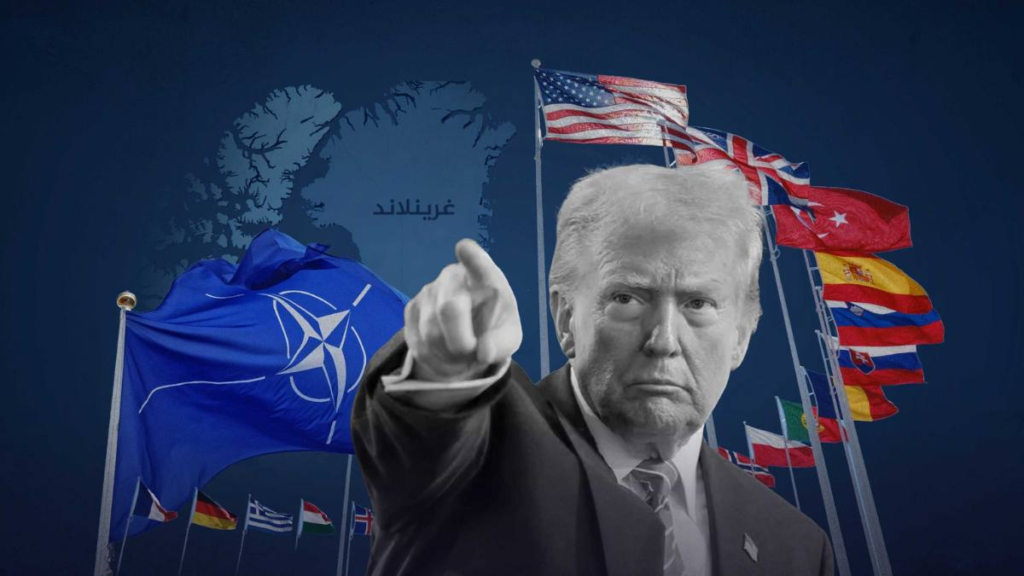
Perhaps the most chilling moment of this entire saga was the president’s casual threat to unilaterally dismantle the alliance that won the Cold War. “I don’t need Congress for that decision,” he stated, floating a unilateral withdrawal from NATO because our allies refused to clean up a mess they did not create. This assertion is a direct affront to the constitutional values of shared governance. European powers are already preparing for the humanitarian fallout, fearing a massive refugee crisis. Consequently, nations like France, Poland, and Germany are rapidly accelerating their own independent defense programs. They are realizing that dependence on the United States is no longer a safe bet. The implications of this global pivot will reshape American security for a generation.
The Looming Shadow of the 2026 Midterms
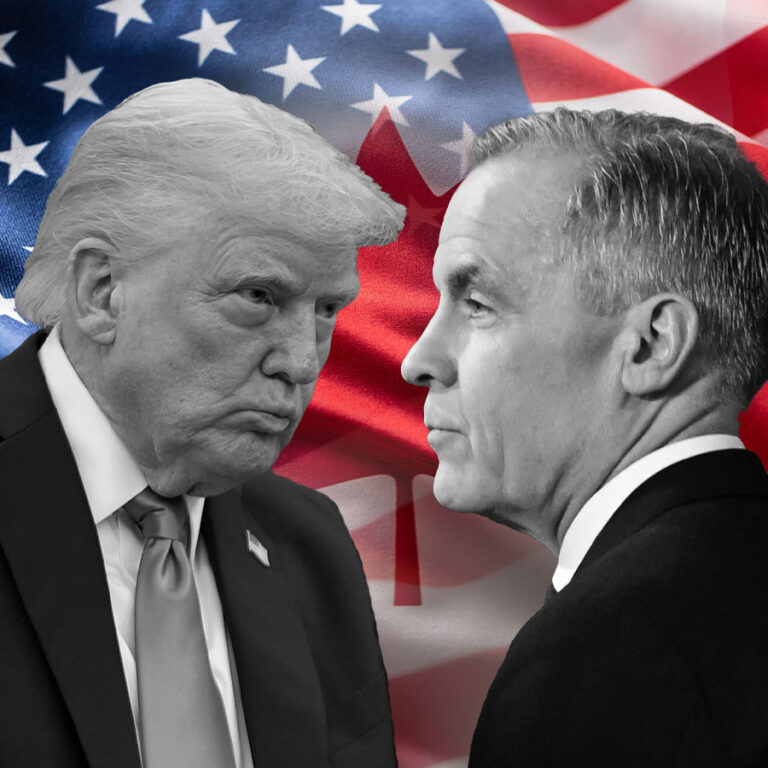
As the 2026 Midterms begin to cast a long shadow over Washington, the political calculus is shifting dramatically. Voters who value liberty and fiscal transparency are questioning why American sons and daughters are bearing the full burden of the Gulf defense, the air campaign, and the Strait of Hormuz standoff. The administration’s isolationist pivot—alienating Canada during crucial USMCA renegotiations and pushing Asian allies toward independent security pacts—has left the United States a superpower operating on an island. We have traded the greatest military alliance in modern history for a fleeting moment of unilateral bravado. When the next crisis erupts, the most powerful nation on Earth may find that when it dials the red phone, nobody answers.
Editorial Note: The views and opinions expressed in this article are those of the authors and do not necessarily reflect the official policy or position of any agency or organization. This content is intended to provide diverse perspectives on current events.