
Viral Hearing Clash Sparks Questions About Transparency, Oversight, and Political Theater in Washington
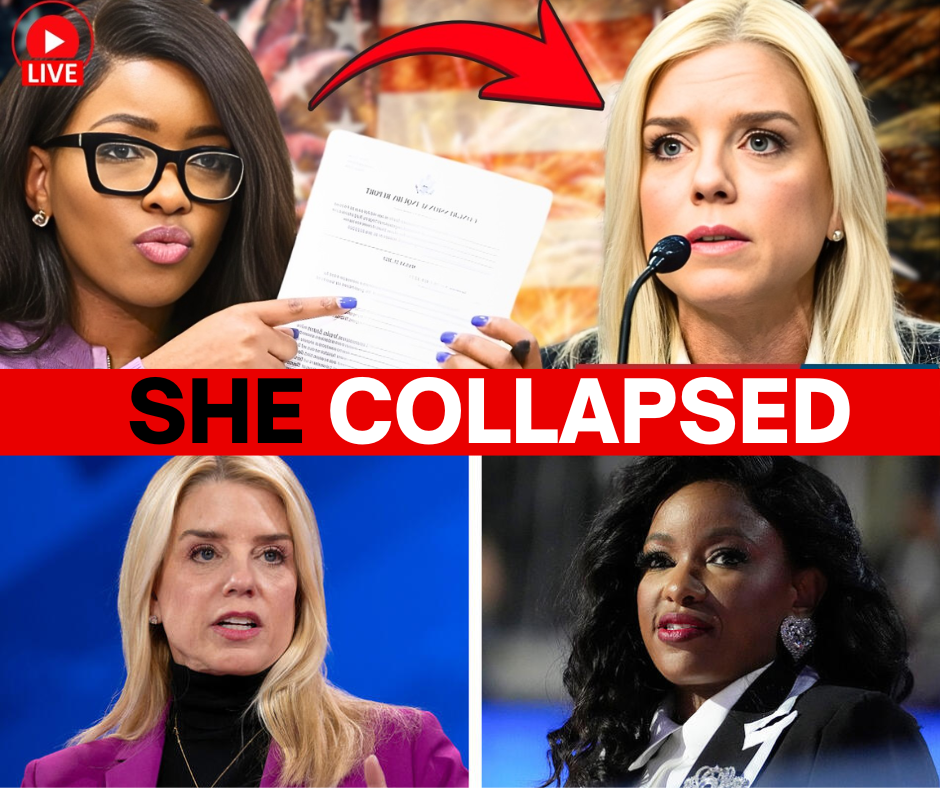
Washington is no stranger to political spectacle. But over the past 24 hours, a dramatic exchange circulating online—purportedly between Attorney General Pam Bondi and Representative Jasmine Crockett during a House Oversight Committee hearing—has ignited a firestorm across social media, cable news, and partisan circles.
The video, widely shared but not yet fully corroborated by official congressional records at the time of this writing, depicts what commentators are calling “83 seconds that shook Washington.” In the footage, Rep. Crockett is seen presenting three documents allegedly tied to a $2.3 million Department of Justice settlement described as “Epstein-related.” According to the viral narrative, Bondi declined to answer questions and ultimately invoked her Fifth Amendment rights.
If accurate, the implications would be explosive. If misleading or selectively edited, it would represent yet another example of how digital-era politics amplifies controversy before facts are fully established.
So what do we actually know—and what remains uncertain?
The Allegations
The circulating clip shows Crockett holding up what appear to be internal DOJ emails dated late February. The documents allegedly authorize a $2.3 million payment to an offshore entity tied to legal claims described only as “J Matter.” The congresswoman argues that the reference points to Jeffrey Epstein-related litigation and suggests the payment was sealed under attorney-client privilege.
In the most dramatic moment, Crockett displays a directive bearing what appears to be Bondi’s signature, classifying related documents as attorney work product and exempt from FOIA disclosure. The viral version of events culminates with Bondi declining to answer further questions, reportedly on advice of counsel.
The optics are powerful. A cabinet-level official. An offshore payment. Epstein’s name. A sealed file. Silence.
But optics are not evidence.
What Has Been Confirmed?
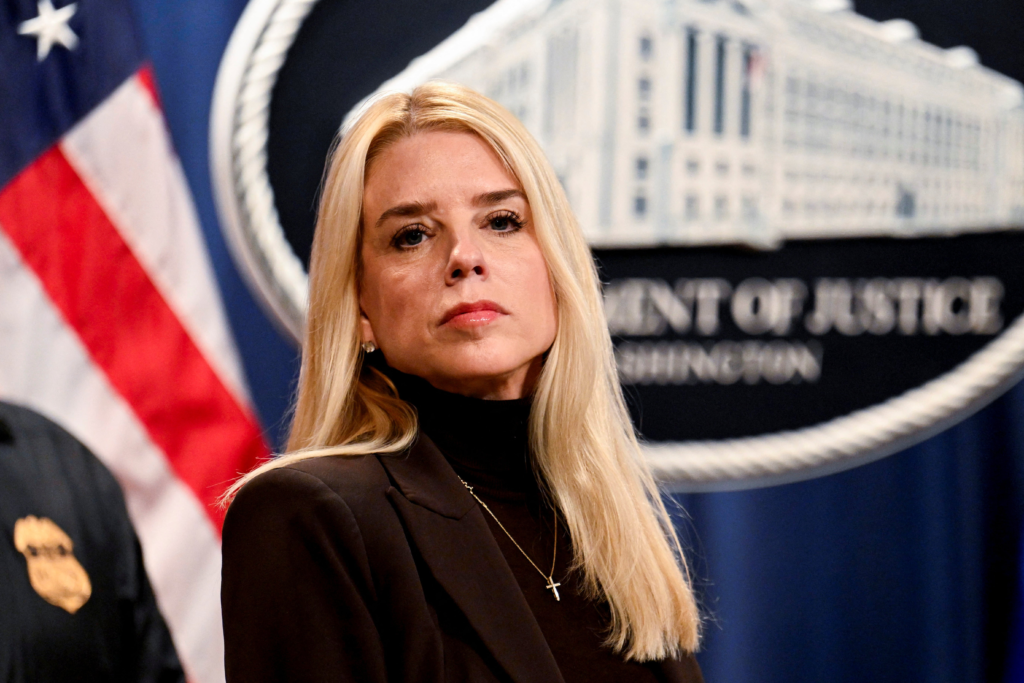
As of this analysis, no official transcript released by the House Oversight Committee confirms that such an exchange occurred exactly as presented in the viral edit. No independent documentation of the alleged settlement has been publicly released through DOJ channels. Nor has there been a formal statement from the Attorney General’s office acknowledging the specific claims circulating online.
That absence does not disprove the allegations—but it does demand caution.
Congressional hearings are public record. If such documents were entered into the record, they will eventually be accessible for verification. Until then, observers should remain wary of edited clips that may lack full context.
The Political Stakes
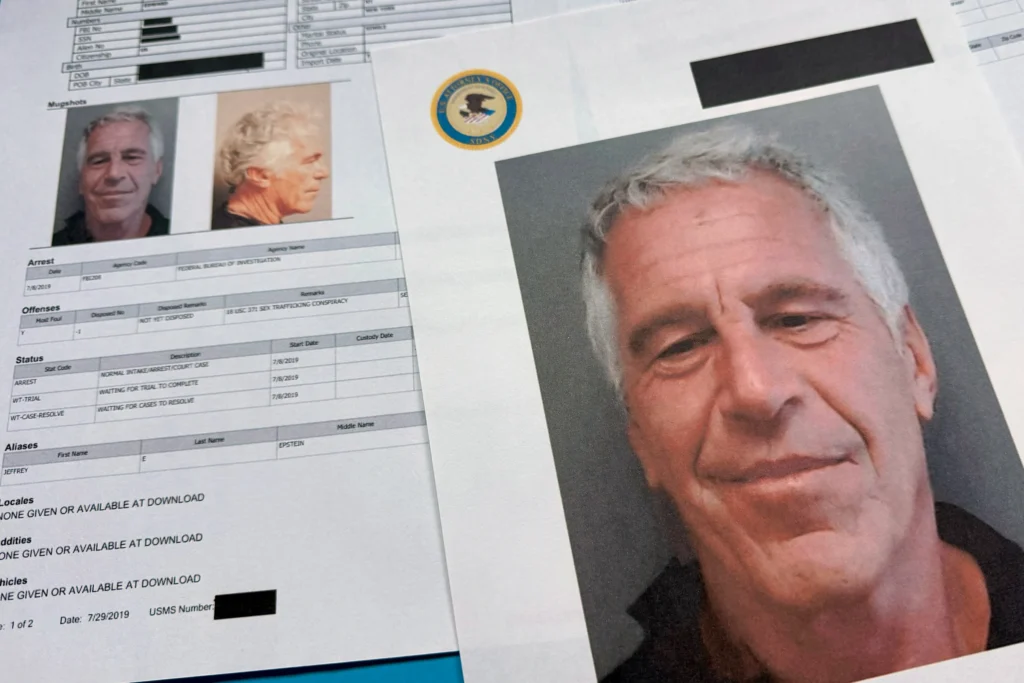
Even the suggestion of a financial settlement tied in any way to Epstein carries enormous political weight. Epstein’s network, associations, and unexplained financial structures remain among the most sensitive unresolved issues in American public life.
For Bondi—who has publicly pledged transparency and accountability regarding Epstein-related matters—any appearance of secrecy would undermine public confidence.
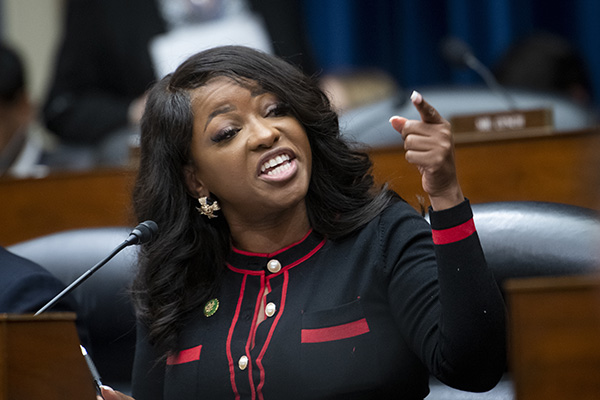
For Crockett and other oversight-minded lawmakers, the moment underscores a broader political argument: that federal agencies have too often shielded sensitive settlements from scrutiny under legal technicalities such as privilege or work-product protections.
The Fifth Amendment element, if verified, adds further fuel. While invoking the Fifth is a constitutional right and does not equate to guilt, it is politically devastating optics for a sitting Attorney General. Historically, public officials rarely invoke it during oversight hearings precisely because of the perception it creates.
Transparency vs. Confidentiality
There is also a structural issue at play here that transcends partisan lines.
Federal settlements frequently involve confidentiality clauses. Attorney-client privilege and attorney work-product doctrine are long-standing legal protections. In complex litigation involving estates, victims, or sealed civil actions, large settlements can occur without detailed public explanation.
The tension lies in determining when confidentiality protects legitimate legal interests—and when it shields public officials from accountability.
If taxpayer funds were involved in a settlement tied to Epstein-related claims, the American public has a legitimate interest in understanding the legal rationale. At the same time, settlement agreements often contain sensitive information concerning victims or ongoing investigations.
This is precisely where congressional oversight becomes critical.
The Digital Amplification Effect
What makes this episode particularly instructive is the speed at which it moved from committee room to viral phenomenon.
Hashtags began trending within hours. Influencers framed the moment as proof of corruption. Legal analysts debated obstruction of justice on primetime panels—before a full transcript was widely available.
We are witnessing once again how modern political communication compresses the timeline between allegation and public judgment.
In the Cold War era, congressional bombshells unfolded over days through newspapers and evening broadcasts. Today, they unfold in minutes on algorithm-driven feeds.
That acceleration rewards drama over documentation.
What Comes Next?
If the documents cited in the hearing are authentic and have been entered into the congressional record, they will eventually be examined line by line. Journalists will request copies. Analysts will parse language. Treasury filings and DOJ budget ledgers can be scrutinized.
If inconsistencies emerge, they will matter.
If no such settlement exists, that too will matter—and could reshape the narrative entirely.
For now, the key questions remain:
- Was there a $2.3 million DOJ settlement tied to Epstein-related claims in late February?
- Was it directed to an offshore entity?
- Was it sealed under an AG directive?
- And did the Attorney General decline to answer oversight questions on constitutional grounds?
These are factual questions that demand factual answers.
A Test of Institutional Trust
Beyond personalities, this controversy highlights something deeper: the fragile state of public trust in American institutions.
Whether one leans left or right, Americans increasingly assume secrecy before transparency, corruption before procedure. That assumption alone is a warning sign for a republic built on accountable governance.
If there is nothing improper, clarity will restore confidence.
If there is something improper, sunlight will expose it.
Either way, documentation—not viral edits—must drive the conclusion.
The American system was designed for moments like this. Oversight hearings. Recorded testimony. Public records. Independent media review.
The debate will rage online. But the truth, as always, will ultimately depend on verifiable evidence—not 83 seconds of silence.
And in Washington, silence is rarely the final word.block